Spituk to Stok Trek – A Perfect Short Himalayan Adventure in Ladakh
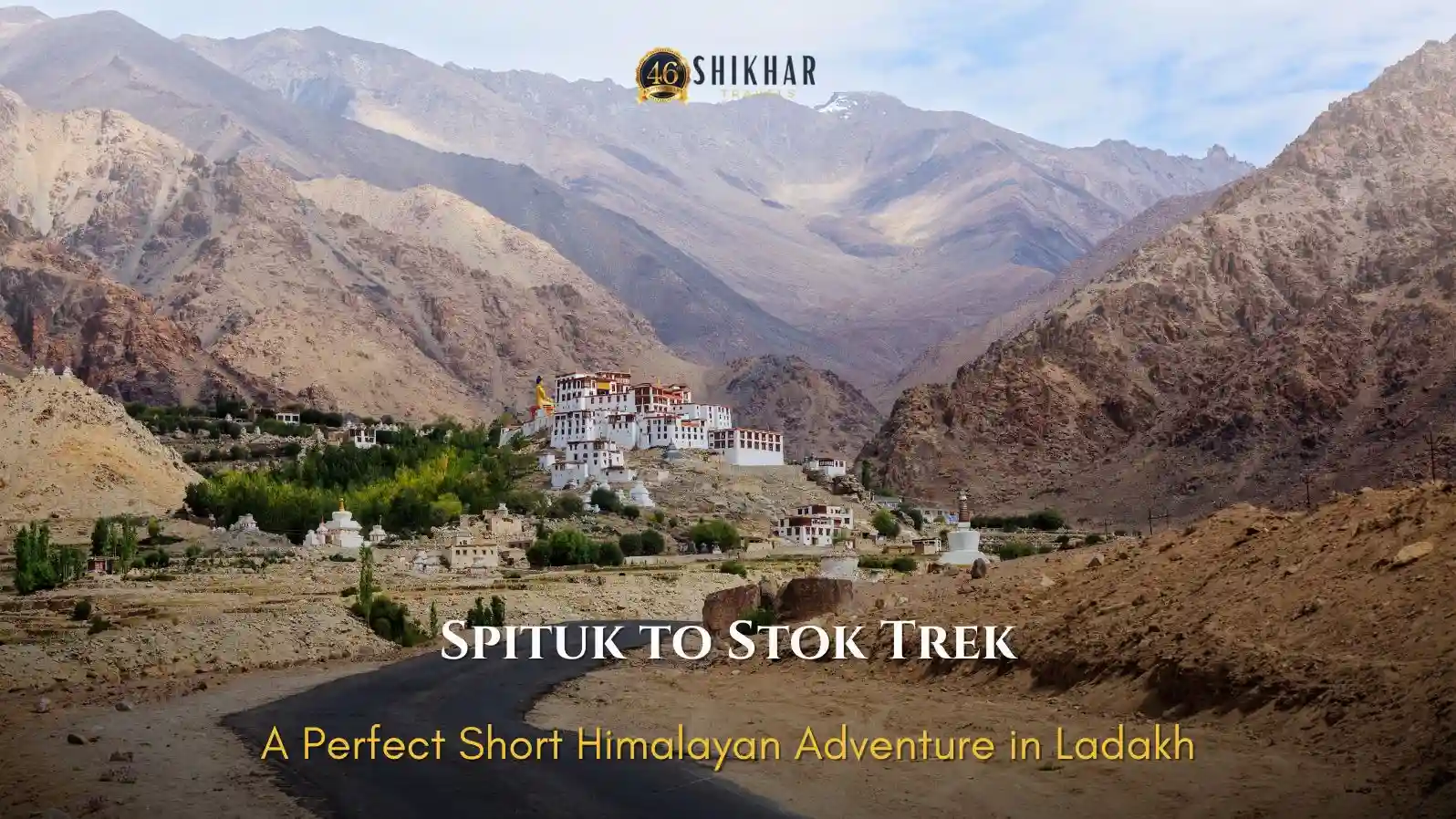
If you are looking for a short yet rewarding trek in Ladakh, the Spituk to Stok Trek is an excellent choice. Nestled in the Trans-Himalayan region of India, this trek is ideal for travelers who wish to experience Ladakh’s breathtaking landscapes, culture, and adventure without committing to a long expedition. With scenic monasteries, dramatic passes, and sweeping views of snow-clad mountains, this trek perfectly balances natural beauty and cultural encounters.
Whether you are a beginner or a seasoned trekker short on time, the Spituk to Stok Trek gives you an unforgettable taste of Ladakh in just 3 to 4 days.
Why Choose Spituk to Stok Trek?
- Short & Easy: Ideal for beginners and those with limited time.
- Cultural Experience: Starts near Spituk Monastery and passes through traditional Ladakhi villages.
- Adventure Factor: Includes crossing the Stok La Pass (4,900 m), offering panoramic Himalayan views.
- Accessible: Located close to Leh, reducing travel logistics.
This trek is often chosen by travelers who want a quick acclimatization trek before attempting longer treks or expeditions in Ladakh.
Check Here: ALL Treks in Ladakh
Spituk to Stok Trek Overview
- Region: Ladakh, Jammu & Kashmir (India)
- Starting Point: Spituk Monastery (near Leh)
- Ending Point: Stok Village
- Duration: 3 to 4 Days
- Maximum Altitude: 4,900 m (Stok La Pass)
- Difficulty Level: Easy to Moderate
- Best Season: June to September
Best Time to Do the Trek
The best season to attempt the Spituk to Stok Trek is between June and September, when Ladakh is accessible by road and flight. The snow has mostly melted, making the trails clear while still offering spectacular mountain views.
- June–July: Snow patches at higher altitudes, vibrant wildflowers in bloom.
- August–September: Clear skies, warm days, cool nights, ideal for photography.
Check: All Treks in India
Detailed Spituk to Stok Trek Itinerary
Day 1: Leh – Spituk – Zingchen
- Drive from Leh to Spituk Monastery (approx. 7 km).
- Start trekking towards Zingchen, a scenic valley dotted with greenery and streams.
- The trail follows the Indus River initially and later enters into rugged gorges.
- Overnight stay in Zingchen (3,300 m).
Highlights: Visit Spituk Monastery, river valleys, first glimpse of Ladakh’s wilderness.
Day 2: Zingchen – Rumbak Village
- Trek through a narrow gorge leading to the quaint Rumbak Village.
- Rumbak is famous for its traditional Ladakhi houses and as a gateway to Hemis National Park, home of the elusive snow leopard.
- Overnight stay in Rumbak (3,850 m).
Highlights: Interact with locals, spot blue sheep or Himalayan birds, enjoy homestay culture.
Day 3: Rumbak – Stok La Pass – Mankarmo
- The most adventurous day of the trek.
- Ascend gradually to Stok La Pass (4,900 m), a vantage point offering jaw-dropping views of the Zanskar and Ladakh ranges.
- After crossing the pass, descend towards Mankarmo, a beautiful campsite surrounded by colorful rock formations.
- Overnight stay in Mankarmo (4,350 m).
Highlights: Stunning mountain panoramas, thrilling pass crossing, unique geology of Ladakh.
Day 4: Mankarmo – Stok Village – Leh
- Descend from Mankarmo to Stok Village (3,600 m), a traditional settlement with lush fields.
- Visit Stok Palace, a historic royal residence of Ladakh’s erstwhile kings.
- Drive back to Leh.
Highlights: Cultural immersion, scenic valley walk, exploration of Stok Palace Museum.
Check Here: Winter Treks in India
Trek Highlights
- Spituk Monastery: An ancient Gelugpa monastery, home to unique murals and festivals.
- Hemis National Park Zone: A biodiversity hotspot, with chances of spotting snow leopards (in winter) and blue sheep.
- Stok La Pass: The highest point of the trek, with dramatic Himalayan views.
- Cultural Experience: Local Ladakhi villages and homestays that showcase traditional life.
- Accessibility: Can be easily done as an extension of Leh sightseeing.
Difficulty Level & Preparation
The Spituk to Stok Trek is considered easy to moderate:
- Trekking Hours: 4–6 hours per day.
- Terrain: Mixture of river valleys, rocky trails, and high-altitude passes.
- Fitness: Basic fitness is enough, but prior acclimatization in Leh (1–2 days) is strongly recommended.
Tip: Carry sufficient water, as high-altitude trails in Ladakh can cause dehydration quickly.
What to Pack
- Comfortable trekking shoes
- Layered clothing (days are warm, nights are cold)
- Sun protection: hat, sunscreen, sunglasses
- Trekking poles for steep descents
- Sleeping bag (if camping)
- Water purification tablets
Who Should Do This Trek?
- Beginners looking for their first Himalayan trek.
- Travelers short on time who want a mini-trekking adventure in Ladakh.
- Families and groups who want a blend of culture and adventure.
- Trekkers seeking acclimatization before longer expeditions like Markha Valley or Stok Kangri (closed now).
Extended Trek Options
The Spituk to Stok Trek can be extended or combined with:
- Markha Valley Trek – Continue deeper into Hemis National Park.
- Stok Kangri Base Camp Trek (before it was closed) – Used as a warm-up route.
- Snow Leopard Winter Trek – Same region, done in peak winter for wildlife tracking.
Responsible Trekking in Ladakh
Ladakh’s fragile ecosystem requires careful preservation:
- Avoid plastic bottles, carry a refillable water bottle.
- Stay in eco-friendly camps or homestays.
- Respect local culture and monasteries.
- Leave no trace behind – take back all non-biodegradable waste.
Conclusion
The Spituk to Stok Trek is the perfect short trek in Ladakh – adventurous yet accessible, cultural yet natural, short yet rewarding. From monasteries and mountain passes to wildlife and village hospitality, this trek showcases the very essence of Ladakh in just a few days.
If you want to experience Ladakh beyond its roads and monasteries, and step into its wild landscapes without weeks of trekking, then Spituk to Stok Trek should be at the top of your list.