Mount Friendship Peak Trek: Complete Guide for First-Time Climbers (2026)
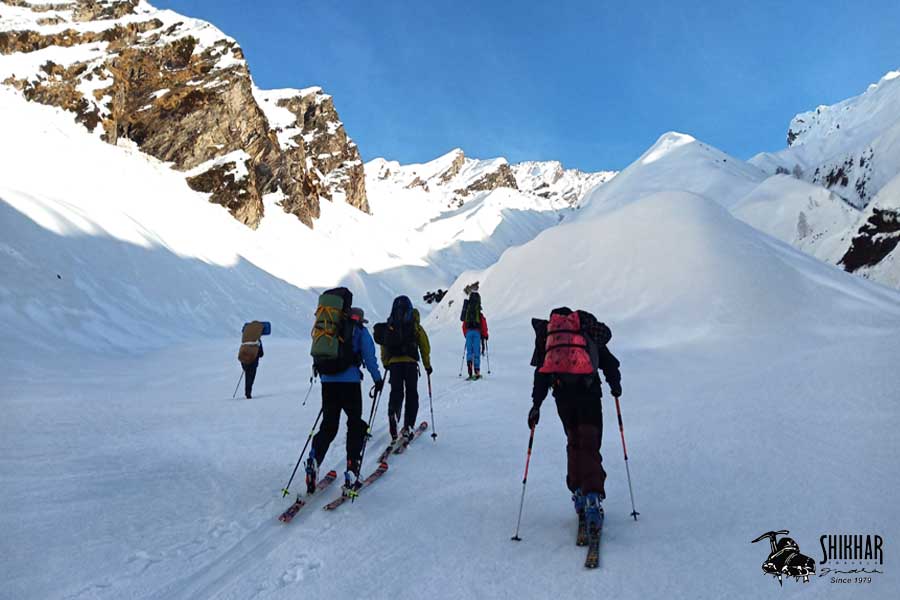
Dreaming of climbing your first Himalayan peak? Mount Friendship Peak is one of the best places to begin. It offers a real mountaineering experience without requiring years of technical climbing knowledge.
Located in the beautiful Pir Panjal Range of Himachal Pradesh, the mountain stands at 5,289 meters (17,352 feet) above sea level. The expedition combines glacier walks, snow-covered slopes, breathtaking campsites, and a rewarding summit climb.
Unlike regular Himalayan treks, this expedition introduces beginners to essential mountaineering techniques. You’ll learn how to walk with crampons, use an ice axe, travel on glaciers, and climb safely with ropes under expert supervision.
The journey is physically demanding, but it is achievable for fit beginners who prepare well. With proper training, acclimatization, and guidance, thousands of climbers successfully summit every year.
If you’re planning your first Himalayan expedition in 2026, this guide explains everything you need to know before booking mount friendship peak.
Why Mount Friendship Peak Is the Best First Himalayan Summit
Choosing your first Himalayan mountain can be confusing. You need a peak that is adventurous yet safe enough for beginners. Mount Friendship Peak offers exactly that balance.
Unlike highly technical peaks, this expedition focuses on building confidence. Climbers learn practical mountaineering skills while experiencing real high-altitude conditions.
The climb includes snowfields, glaciers, rocky ridges, and steep summit sections. However, trained guides provide technical support throughout the expedition, making it suitable for first-time mountaineers.
Another advantage is its location. Being close to Manali makes the mountain relatively easy to access compared to many remote Himalayan expeditions.
Reaching the summit also rewards climbers with spectacular views of Hanuman Tibba, Deo Tibba, Shitidhar Peak, Ladakhi Peak, and countless snow-covered Himalayan ranges.
For many adventurers, Mount Friendship Peak becomes the first step toward bigger expeditions like Stok Kangri, Kang Yatse, Island Peak, or even Mount Kilimanjaro.
Where Is Friendship Peak Located?
Friendship Peak is located in the Kullu district of Himachal Pradesh, inside the famous Pir Panjal Range. The expedition usually starts from Manali, one of India’s most popular adventure destinations.
From Manali, climbers travel towards Solang Valley before beginning the approach trek. This route gradually gains altitude, allowing the body to adjust naturally to thinner air.
The surrounding region is known for alpine meadows, glaciers, dense forests, mountain streams, and dramatic Himalayan landscapes. Every stage of the journey offers completely different scenery.
Its convenient location is another reason why Mount Friendship Peak attracts both Indian and international climbers every season.
What Makes This Expedition Different from a Normal Trek?
A trekking expedition and a mountaineering expedition are not the same. Understanding this difference helps first-time climbers prepare more effectively.
During a regular Himalayan trek, hikers usually follow marked trails without technical equipment. In contrast, Mount Friendship Peak requires climbers to travel across glaciers, climb snow slopes, and use specialized gear.
Participants receive practical training before the summit attempt. This usually includes learning how to use crampons, helmets, harnesses, ropes, and ice axes safely.
The summit push often begins before sunrise when snow conditions are more stable. Walking across frozen terrain under the stars becomes one of the most memorable parts of the entire expedition.
Although technical support is provided, climbers still need determination, patience, and physical endurance to reach the summit successfully.
Best Time to Climb Friendship Peak
Choosing the right season can significantly improve your chances of reaching the summit. Weather conditions play a major role in every Himalayan expedition.
Pre-Monsoon Season
The months between May and June are considered the best time for beginners.
Snow conditions remain stable, temperatures are manageable, and the mountain usually experiences clear mornings. These conditions make climbing safer while offering excellent visibility throughout the route.
This is also the most popular climbing season, so booking early is recommended.
Post-Monsoon Season
The second climbing window begins in September and continues into early October.
After the monsoon ends, the skies become exceptionally clear. Photographers especially enjoy this season because distant Himalayan peaks remain visible for hundreds of kilometers.
Temperatures become colder than early summer, but weather stability often improves.
Should You Climb During Winter?
Winter expeditions are considerably more challenging.
Heavy snowfall, lower temperatures, stronger winds, and avalanche risks make winter suitable only for experienced mountaineers.
If this is your first Himalayan climb, choosing either the pre-monsoon or post-monsoon season is the safer option.
How Difficult Is the Climb?
Many first-time climbers ask whether Mount Friendship Peak is difficult. The simple answer is yes—but it is achievable with proper preparation.
The expedition is generally rated as moderately difficult to difficult because of its altitude rather than its technical climbing sections.
Above 5,000 meters, every step requires more effort because oxygen levels decrease significantly. Even experienced trekkers notice the difference.
The summit day is the toughest part of the expedition. Climbers usually walk for several hours on snow while wearing crampons and carrying essential climbing equipment.
Cold temperatures, changing weather, and long climbing hours also add to the challenge.
However, climbers who arrive physically prepared often complete the expedition successfully.
Is Previous Trekking Experience Necessary?
Previous trekking experience is highly recommended but not always mandatory.
If you have completed Himalayan treks like Kedarkantha, Hampta Pass, Bhrigu Lake, Rupin Pass, or Kuari Pass, you’ll adapt much faster to the demands of the expedition.
These treks help develop stamina, confidence, and familiarity with high-altitude environments.
Even without prior trekking experience, beginners can still attempt mount friendship peak if they maintain excellent physical fitness and join a professionally guided expedition.
Learning quickly, following instructions carefully, and respecting the mountain are often more important than previous climbing experience.
Physical Fitness Requirements
Fitness is one of the biggest factors influencing summit success.
You don’t need to be a professional athlete, but your body should be capable of hiking for six to eight hours on consecutive days.
Cardiovascular endurance should be your primary focus. Activities like running, cycling, swimming, stair climbing, and brisk walking improve lung capacity and overall stamina.
Strength training is equally important.
Strong legs help while climbing steep snow slopes, while a stable core improves balance on uneven glacier terrain.
Mental fitness matters just as much.
Long climbing days, freezing temperatures, and unpredictable weather can test your patience. Staying calm and focused often makes the difference between giving up and reaching the summit.
Experts generally recommend beginning a structured training plan at least 8 to 10 weeks before the expedition.
Why Acclimatization Is Essential
Many climbers underestimate the importance of acclimatization.
As you climb higher, oxygen levels decrease. Your body needs time to adapt to these changing conditions.
A well-planned itinerary includes gradual altitude gain, allowing your body to produce more red blood cells and use oxygen more efficiently.
Skipping acclimatization can increase the risk of acute mountain sickness (AMS), which may force climbers to descend before reaching the summit.
Drinking enough water, eating nutritious meals, sleeping well, and maintaining a steady pace all support better acclimatization.
Listening to your expedition leader is equally important. Guides monitor every participant and adjust plans whenever necessary to ensure safety.
For most climbers, patience during acclimatization ultimately leads to a more enjoyable and successful experience on Mount Friendship Peak.
Essential Gear You Need for the Expedition
Carrying the right equipment can make your expedition safer and more comfortable. High-altitude weather changes quickly, so your gear should protect you from snow, wind, and freezing temperatures.
Layering is the best way to stay warm during the climb. A moisture-wicking base layer keeps sweat away from your body, while an insulated mid-layer provides warmth. A waterproof outer jacket protects you from snow and strong winds.
Good trekking shoes are equally important. Most expedition organizers recommend high-ankle waterproof boots with good grip because the route includes rocky trails, snowfields, and glacier sections.
Technical equipment such as crampons, helmets, harnesses, ropes, gaiters, and ice axes is usually provided by the expedition operator. Beginners should always confirm what is included before booking.
Don’t forget small essentials like sunglasses with UV protection, sunscreen, insulated gloves, warm socks, a headlamp, reusable water bottles, and personal medications. These items may seem minor, but they greatly improve comfort during the expedition.
A Typical Itinerary for the Mount Friendship Peak Expedition
Most mount friendship peak expeditions take around six to eight days, depending on weather conditions and the operator’s schedule.
The journey usually begins in Manali, where climbers meet the expedition team, complete registrations, and attend a safety briefing. Equipment is checked, and participants receive an introduction to the climb ahead.
The next stage takes the group towards Solang Valley before beginning the approach trek. As the trail climbs higher, camps are set up in alpine meadows and near glaciers, allowing the body to adjust gradually to the increasing altitude.
Before the summit attempt, participants receive practical training in rope techniques, crampon walking, and ice axe handling. This session helps beginners become comfortable with the equipment before entering snow-covered terrain.
Summit day starts well before sunrise. Climbers move slowly across frozen snow while remaining connected with ropes under the supervision of experienced guides.
After reaching the summit and enjoying the panoramic Himalayan views, the team carefully descends to the lower camp before returning to Manali over the following days.
Summit Day: What to Expect at Mount Friendship Peak
Summit day is the most exciting and demanding part of the expedition.
Most teams begin climbing between midnight and 3:00 AM. Starting early allows climbers to cross firm snow before the morning sun softens the surface.
Walking at this altitude feels very different from trekking at lower elevations. You’ll take slow, steady steps while maintaining a consistent breathing rhythm.
As daylight breaks, the surrounding Himalayan peaks gradually appear, creating one of the most unforgettable moments of the journey.
The final section often involves climbing steep snow slopes using crampons and an ice axe. Expedition leaders guide every step, ensuring the team moves safely toward the summit.
Standing on top of Mount Friendship Peak is a deeply rewarding experience. After days of preparation and climbing, the panoramic views make every challenge worthwhile.
Safety Tips Every Beginner Should Follow
Mountain safety should always come before reaching the summit.
Always follow your expedition leader’s instructions. Their decisions are based on weather, snow conditions, and the overall safety of the group.
Maintain a slow and steady pace throughout the climb. Rushing at high altitude increases fatigue and makes acclimatization more difficult.
Drink water regularly, even if you don’t feel thirsty. Dehydration is common in cold environments and can affect your performance.
Report any symptoms such as severe headache, dizziness, nausea, or unusual fatigue immediately. Early communication allows guides to respond before the condition worsens.
Never ignore changing weather conditions. In the mountains, turning back is sometimes the safest and most responsible decision.
Remember that a successful expedition means returning safely, not simply reaching the summit.
Common Mistakes First-Time Climbers Make during Mount Friendship Peak Expedition
Many beginners focus only on reaching the summit and overlook proper preparation.
One of the biggest mistakes is arriving without adequate fitness. High altitude places continuous stress on the body, and poor conditioning often leads to early exhaustion.
Some climbers also ignore acclimatization guidelines by trying to move too quickly. A gradual ascent gives your body the best chance to adjust to lower oxygen levels.
Packing unnecessary items is another common issue. Carrying excess weight increases fatigue and makes the climb more difficult.
Many beginners also underestimate the importance of nutrition. Eating enough carbohydrates and staying hydrated helps maintain energy throughout the expedition.
Finally, some climbers hesitate to share health concerns with guides. Honest communication is essential for maintaining safety during any Himalayan expedition.
How Much Does the Mount Friendship Peak Expedition Cost?
The cost of climbing Mount Friendship Peak varies depending on the expedition operator, group size, and services included.
Most guided expeditions include accommodation during the trek, meals, certified mountain guides, technical climbing equipment, camping gear, permits, and safety support.
Transportation to Manali and personal shopping expenses are usually not included. Some operators may also charge separately for equipment rentals if participants require specialized clothing.
While choosing an operator, avoid selecting only the lowest price. Experience, safety standards, guide qualifications, and emergency support are far more important than saving a small amount of money.
A professionally managed expedition provides better equipment, experienced leaders, and improved safety throughout the climb.
Choosing the Right Expedition Operator
The success of your expedition depends heavily on the company you choose.
Look for operators with experienced mountaineering guides and a strong safety record. Reading verified reviews from previous participants can provide valuable insights.
Ask whether the package includes technical training, emergency medical support, oxygen cylinders, and communication equipment.
Small group sizes are often preferable because guides can give more attention to each participant.
A transparent itinerary, clear pricing, and proper safety protocols are good indicators of a reliable expedition company.
Protecting the Himalayan Environment
The Himalayas are among the world’s most fragile ecosystems. Every climber has a responsibility to protect them.
Carry reusable water bottles instead of disposable plastic. Pack out all personal waste and avoid leaving anything behind at campsites.
Stay on designated trails whenever possible to reduce damage to alpine vegetation.
Respect local communities, wildlife, and mountain traditions throughout your journey.
Responsible tourism helps preserve Mount Friendship Peak for future generations of climbers.
Follow us on Instagram and Facebook
Conclusion – Mount Friendship Peak
For anyone dreaming of climbing a Himalayan summit, Mount Friendship Peak offers the perfect introduction to high-altitude mountaineering. It combines adventure, learning, and breathtaking scenery into one unforgettable experience.
Although the expedition is physically demanding, it is achievable with proper fitness, careful planning, and professional guidance. Every stage of the journey teaches valuable mountaineering skills while building confidence for future adventures.
Whether your goal is to experience your first glacier, learn technical climbing techniques, or stand on your first Himalayan summit, this expedition delivers an experience that stays with you for a lifetime.
Prepare well, respect the mountain, and embrace the journey. The summit is only one part of the adventure—the lessons, friendships, and memories you create along the way are what truly make mount friendship peak unforgettable.
Frequently Asked Questions about Mount Friendship Peak
Is Mount Friendship Peak suitable for beginners?
Yes. Mount Friendship Peak is widely considered one of the best beginner-friendly mountaineering expeditions in India. While it requires good fitness, technical climbing skills are taught during the expedition.
What is the height of Mount Friendship Peak?
Mount Friendship Peak stands at approximately 5,289 meters (17,352 feet) above sea level in the Pir Panjal Range of Himachal Pradesh.
How difficult is Mount Friendship Peak?
The climb is rated as moderately difficult to difficult due to its altitude, glacier crossings, and snow-covered terrain. With proper preparation, many first-time climbers complete the expedition successfully.
What is the best time to climb Mount Friendship Peak?
The ideal climbing seasons are May to June and September to early October, when weather conditions are generally stable and visibility is excellent.
How fit should I be for the expedition?
You should be able to hike for several hours on consecutive days. Cardiovascular endurance, leg strength, and overall stamina are essential for a successful climb.
Do I need previous trekking experience?
Previous trekking experience is recommended but not mandatory. Beginners with good physical fitness and guidance from experienced expedition leaders can also attempt the climb.
How many days does the expedition take?
Most mount friendship peak expeditions last 6 to 8 days, including acclimatization, technical training, the summit attempt, and the return journey.
Is technical climbing equipment provided?
Most expedition operators provide technical gear such as crampons, helmets, harnesses, ropes, and ice axes. Personal clothing and trekking essentials are usually the climber’s responsibility.
Can altitude sickness occur during the climb?
Yes. Since the expedition reaches above 5,000 meters, altitude sickness is possible. Proper acclimatization, hydration, and following your guide’s instructions help reduce the risk.
Why is Mount Friendship Peak popular among first-time climbers?
It offers a genuine Himalayan mountaineering experience with glacier travel, snow climbing, and spectacular summit views while remaining accessible to well-prepared beginners under professional guidance.