Mountain in Sikkim: Explore the Majestic Himalayan Peaks
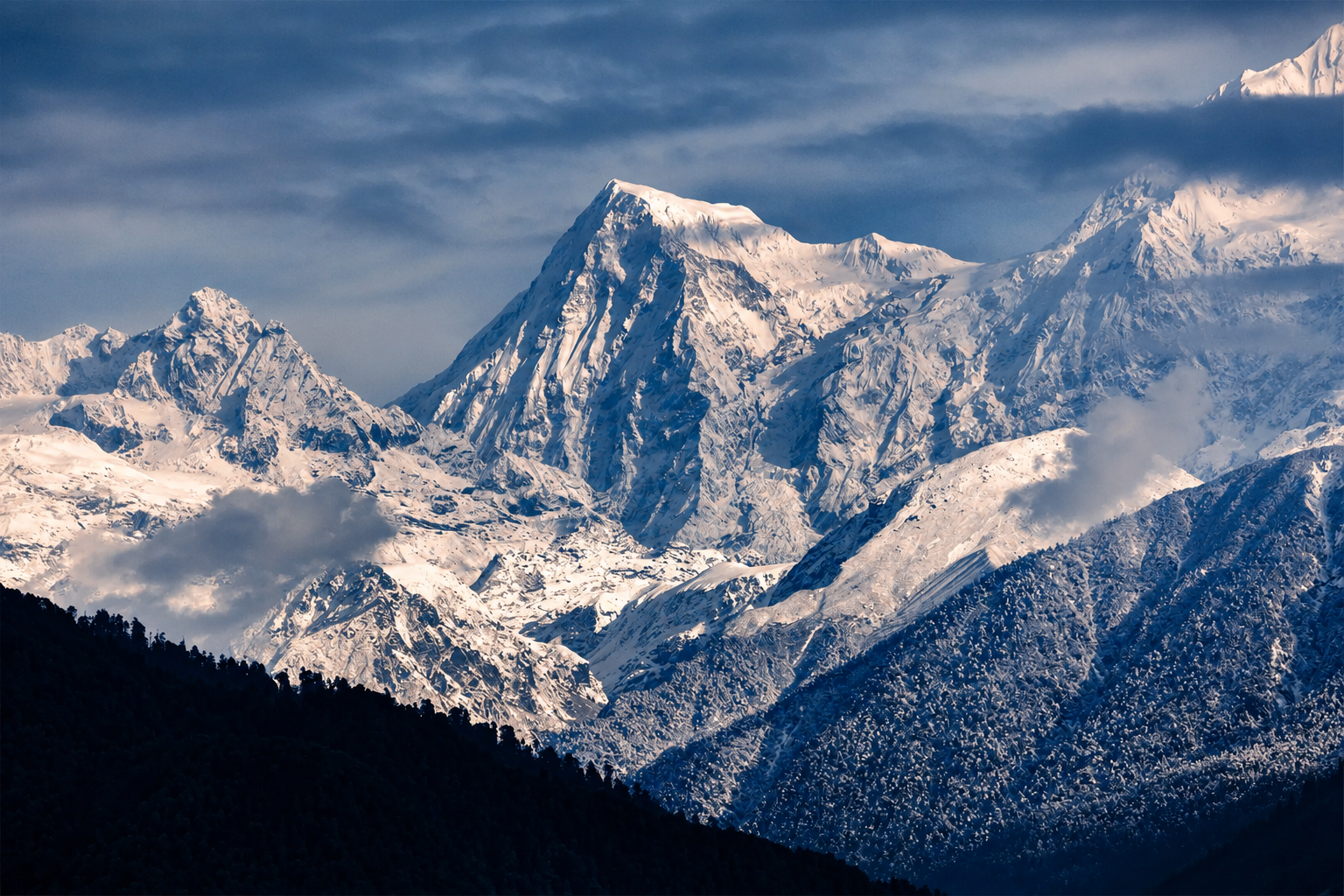
Sikkim is one of the most beautiful Himalayan destinations in India, famous for its snow-covered peaks, peaceful valleys, alpine lakes, monasteries, lush forests, and breathtaking mountain landscapes. For travellers looking to explore a mountain in Sikkim, the state offers an incredible combination of scenic beauty, adventure, culture, and tranquillity.
Located in the eastern Himalayas, Ssikkim is surrounded by some of the most spectacular mountain ranges in India. The mighty Kanchenjunga dominates the skyline and remains one of the biggest attractions for travellers visiting the state. From easily accessible viewpoints in Gangtok and Pelling to challenging trekking routes around Goecha La, there are many ways to experience the beauty of a mountain in Sikkim.
Whether you are planning a family holiday, honeymoon, photography trip, trekking adventure, or peaceful mountain escape, Sikkim offers something for every type of traveller.
Mountain in Sikkim: Why Sikkim Is Famous for Mountains
Sikkim is naturally blessed with dramatic Himalayan landscapes. Within a relatively small geographical area, travellers can experience green valleys, dense forests, waterfalls, rivers, high-altitude lakes, alpine meadows, and snow-covered mountains.
The state’s location in the eastern Himalayas makes a mountain in Sikkim particularly attractive for nature lovers and adventure enthusiasts. The scenery changes significantly as you travel from the lower valleys towards the higher Himalayan regions.
One of the most important mountains associated with Sikkim is Kanchenjunga. Apart from being one of the highest mountains in the world, Kanchenjunga has deep cultural and spiritual importance in the region.
The combination of spectacular scenery, local traditions, monasteries, trekking trails, and peaceful mountain towns makes Sikkim one of India’s leading Himalayan travel destinations.
Mountain in Sikkim: Kanchenjunga and Its Importance
When discussing the most famous mountain in Sikkim, Kanchenjunga is undoubtedly the first name that comes to mind.
Kanchenjunga rises to approximately 8,586 metres and is traditionally recognised as the third-highest mountain in the world. Its massive snow-covered peaks create an unforgettable backdrop across several parts of Sikkim.
The mountain is not simply a geographical landmark. Kanchenjunga has considerable spiritual and cultural significance for local communities, making it an important part of Sikkim’s identity.
Travellers can enjoy magnificent views of this mountain in Sikkim from locations including Pelling, Gangtok, Ravangla, and several trekking routes in western Sikkim.
For many visitors, watching the first rays of sunlight illuminate Kanchenjunga is one of the most memorable experiences of a Sikkim holiday.
Mountain in Sikkim: Famous Peaks to Explore
Although Kanchenjunga receives the most attention, Sikkim is surrounded by several other impressive Himalayan peaks.
Mountain in Sikkim: Mount Pandim
Mount Pandim is one of the most recognisable peaks in the Himalayan landscape of Sikkim. It is particularly associated with the Goecha La trekking region.
The mountain’s sharp, snow-covered profile creates spectacular scenery for trekkers and photographers. During clear weather, Mount Pandim forms an impressive part of the Himalayan panorama.
For adventure travellers, seeing this mountain in Sikkim during a high-altitude trek can be an unforgettable experience.
Mountain in Sikkim: Mount Kabru
Mount Kabru is another prominent peak in the greater Kanchenjunga region. The mountain is particularly relevant to trekkers exploring the high-altitude trails of western Sikkim.
The surrounding area features rugged Himalayan terrain, glaciers, alpine landscapes, and spectacular mountain views.
Mountain in Sikkim: Mount Rathong
Mount Rathong is located in western Sikkim and forms part of the dramatic Himalayan landscape around the Kanchenjunga region.
The mountain and its surrounding areas are primarily associated with trekking and mountaineering rather than conventional sightseeing. Experienced adventure travellers can explore the region through appropriate trekking routes and organised expeditions.
Mountain in Sikkim: Mount Sinolchu
Mount Sinolchu is known for its distinctive shape and impressive snow-covered appearance. Rising dramatically above the surrounding landscape, it is considered one of the visually striking peaks of Sikkim.
Its spectacular setting makes this mountain in Sikkim especially attractive to photographers and travellers interested in Himalayan landscapes.
Mountain in Sikkim: Best Places to See Himalayan Peaks
You do not need to undertake a difficult trek to enjoy a mountain in Sikkim. Several popular destinations offer spectacular mountain views from accessible locations.
Mountain in Sikkim: Pelling
Pelling is among the best destinations in Sikkim for enjoying views of Kanchenjunga. Located in western Sikkim, the town is surrounded by forests, valleys, monasteries, and Himalayan scenery.
Clear mornings are particularly suitable for mountain viewing. The sight of Kanchenjunga illuminated by the early morning sunlight is one of the biggest attractions of Pelling.
Travellers can also explore nearby attractions such as Pemayangtse Monastery and Rabdentse while enjoying the surrounding mountain scenery.
Mountain in Sikkim: Gangtok
Gangtok, the capital of Sikkim, is an excellent base for travellers exploring the region.
The city combines mountain scenery with monasteries, viewpoints, markets, cafés, local cuisine, and cultural attractions.
Tashi View Point is one of the popular places around Gangtok for enjoying Himalayan views. Travellers looking for a convenient mountain in Sikkim experience can combine Gangtok sightseeing with trips to nearby mountain destinations.
Mountain in Sikkim: Ravangla
Ravangla is another beautiful destination for mountain lovers. Located in southern Sikkim, the town offers impressive views of the surrounding Himalayan peaks.
The Buddha Park is one of Ravangla’s most popular attractions and provides a peaceful environment surrounded by mountain scenery.
Ravangla is particularly suitable for travellers who want a quieter alternative to the busier tourist centres.
Mountain in Sikkim: North Sikkim
North Sikkim provides a more rugged Himalayan experience. Destinations such as Lachung and Yumthang Valley offer dramatic landscapes surrounded by high mountains.
Depending on the season and weather conditions, visitors may encounter snow-covered landscapes, alpine vegetation, waterfalls, and spectacular mountain views.
Travellers should remember that access to certain areas of North Sikkim can be regulated and may require permits or be affected by weather and road conditions.
Mountain in Sikkim: Goecha La Trek
For adventure enthusiasts, the Goecha La trek is one of the most famous ways to experience the Himalayan mountains of Sikkim.
The trekking route passes through dense forests, alpine meadows, mountain ridges, and high-altitude landscapes. One of its biggest attractions is the spectacular view of the Kanchenjunga massif.
Unlike a regular sightseeing trip, a mountain in Sikkim trekking experience requires preparation and acclimatisation.
Travellers should carry appropriate clothing and equipment and use experienced local guides or reputable trekking operators. Weather and trail conditions can change quickly at high altitudes.
Mountain in Sikkim: Best Time to Visit
The best time to experience a mountain in Sikkim depends on the type of holiday you are planning.
Mountain in Sikkim During Spring
Spring is a beautiful season to explore Sikkim. From March to May, many areas experience pleasant weather, while forests and hills become colourful with blooming flowers, including rhododendrons in suitable areas.
Spring is a good choice for sightseeing, photography, nature exploration, and selected trekking routes.
Mountain in Sikkim During Autumn
September to November is widely considered one of the most favourable periods for enjoying clear Himalayan views.
Following the monsoon season, visibility can improve significantly, creating excellent conditions for photographing a mountain in Sikkim.
Autumn is also popular for trekking and sightseeing, although conditions vary between different elevations.
Mountain in Sikkim During Winter
Winter brings cold temperatures and snow to many higher-altitude areas. Travellers looking for a snow-covered mountain in Sikkim experience may find winter particularly appealing.
However, snowfall can affect road connectivity and access to high-altitude destinations. Always check current local travel conditions before heading towards remote areas.
Mountain in Sikkim During Monsoon
The monsoon period can bring heavy rainfall, landslides, road disruptions, and cloudy conditions.
Mountain visibility can also be limited during rainy periods. Travellers planning a monsoon trip should check weather forecasts and road conditions regularly.
Mountain in Sikkim: Things to Do
A trip to a mountain in Sikkim can involve much more than simply looking at snow-covered peaks.
Photography
Sikkim is an excellent destination for landscape photography. Sunrise over Kanchenjunga, mountain reflections in lakes, monasteries surrounded by hills, and clouds moving across Himalayan valleys provide countless photography opportunities.
Early morning is generally one of the best times to photograph the mountains because visibility can be better than later in the day.
Trekking
Trekking is one of the best ways to experience the Himalayan landscape closely. Routes around Goecha La, Dzongri, and Yuksom are popular among adventure enthusiasts.
Because altitude and weather can create serious challenges, travellers should select routes according to their fitness level and experience.
Monastery Visits
Sikkim’s monasteries are an important part of the state’s cultural heritage. Visitors can combine their mountain holiday with visits to monasteries such as Rumtek and Pemayangtse.
These cultural attractions provide a different perspective on the landscapes surrounding a mountain in Sikkim.
Nature and Wildlife
The mountains of Sikkim are surrounded by forests and diverse ecosystems. Nature lovers can explore scenic valleys, waterfalls, forests, rivers, and protected areas depending on their itinerary.
Explore more from Sikkim→
How to Reach
Travellers generally reach Sikkim through neighbouring West Bengal.
By Air
Pakyong Airport is Sikkim’s airport, while Bagdogra Airport in West Bengal is another major gateway for travellers visiting the state.
Flight availability and schedules can vary, so travellers should check current options before booking.
By Train
New Jalpaiguri Railway Station is one of the main railway gateways used to reach Sikkim. From the railway station, travellers can continue towards Gangtok and other destinations by road.
By Road
Gangtok and other popular destinations can be reached by road from Siliguri and nearby areas.
Shared taxis, private vehicles, and tourist vehicles are commonly used. Journeys through the Himalayas can take longer than expected because of winding roads, traffic, weather, and road conditions.
Mountain in Sikkim: Travel Tips for Visitors
Before planning your mountain in Sikkim holiday, keep the following tips in mind:
- Carry warm and comfortable clothing, particularly when visiting high-altitude destinations.
- Check weather and road conditions before travelling.
- Allow enough time for acclimatisation when travelling to higher elevations.
- Keep required permits and identification documents ready.
- Start mountain-viewing trips early in the morning.
- Wear comfortable shoes for sightseeing and walking.
- Respect local customs, monasteries, and religious sites.
- Avoid littering and help protect the fragile Himalayan environment.
- Carry essential medicines and personal necessities.
- Use experienced guides for challenging trekking routes.
- Avoid rushing between destinations because Himalayan travel can take longer than expected.
Best Places to Stay
Gangtok offers the widest variety of accommodation options, including hotels, resorts, guesthouses, and homestays.
Pelling and Ravangla also offer comfortable hotels and homestays, while smaller mountain destinations may have more basic accommodation.
Travellers looking for an authentic experience can consider local homestays. These can also provide opportunities to experience traditional food, local hospitality, and everyday life in Sikkim’s mountain communities.
Local Food You Should Try
A mountain holiday is incomplete without trying local Himalayan cuisine.
Some popular dishes to try during your trip include:
- Momos
- Thukpa
- Phagshapa
- Gundruk
- Chhurpi
- Kinema
- Sikkim-style noodles
Hot soups, noodles, and traditional Himalayan dishes can be especially enjoyable after spending a day exploring the mountains.
Frequently Asked Questions
Which is the most famous mountain in Sikkim?
Kanchenjunga is the most famous mountain in Sikkim. Rising to approximately 8,586 metres, it is traditionally recognised as the world’s third-highest mountain and is visible from several parts of the state.
What is the best mountain in Sikkim to visit?
Kanchenjunga is the most iconic choice, but travellers can also explore the landscapes around Mount Pandim, Mount Kabru, Mount Rathong, and Mount Sinolchu. The best option depends on whether you prefer sightseeing, photography, trekking, or mountaineering.
Where can I see Kanchenjunga in Sikkim?
Pelling, Gangtok, Ravangla, and several locations in western Sikkim offer opportunities to see Kanchenjunga. Pelling is particularly popular for its panoramic views.
Which is the best place to see a mountain in Sikkim?
Pelling is one of the best places for Kanchenjunga views, while Gangtok, Ravangla, Lachung, and trekking areas around western Sikkim offer different mountain-viewing experiences.
What is the best time to visit the mountains in Sikkim?
September to November is generally a favourable period for clear Himalayan views. March to May can also be excellent for pleasant weather, flowering landscapes, and sightseeing.
Can beginners visit a mountain in Sikkim?
Yes. Beginners can enjoy mountain scenery from destinations such as Gangtok, Pelling, and Ravangla without undertaking difficult treks. More challenging routes should be attempted only with appropriate preparation and guidance.
Is Sikkim good for a family mountain holiday?
Yes. Sikkim is suitable for family holidays, particularly around destinations such as Gangtok, Pelling, and Ravangla. Families can enjoy scenic viewpoints, monasteries, cultural attractions, and comfortable accommodations without needing to undertake strenuous trekking.
Is trekking necessary to see mountains in Sikkim?
No. Many spectacular mountain views can be enjoyed from towns and designated viewpoints. Trekking is an option for travellers who want a closer and more adventurous Himalayan experience.
How many days are enough for a Sikkim mountain trip?
A 5 to 7-day trip can cover several popular destinations, depending on the itinerary. Travellers interested in trekking or exploring North Sikkim may need additional days.
Is Sikkim safe for mountain tourism?
Sikkim is a popular Himalayan tourist destination, but mountain travel requires awareness of weather, altitude, road conditions, and local regulations. Travellers should follow local advisories and avoid travelling to restricted or unsafe areas.
What should I pack for a mountain trip to Sikkim?
Pack warm layers, comfortable walking shoes, rain protection, sunscreen, sunglasses, personal medicines, identification documents, and other essentials suitable for the season and altitude of your destination.
Which city is the best base for exploring mountains in Sikkim?
Gangtok is the most convenient base for many travellers because it offers extensive accommodation, restaurants, transport options, and access to several attractions. Pelling and Ravangla are excellent alternatives for travellers focused more on mountain scenery and a quieter environment.
Final Thoughts
A mountain in Sikkim is more than just a beautiful Himalayan peak. It represents the natural beauty, cultural heritage, spiritual traditions, and adventurous spirit of one of India’s most scenic northeastern states.
From the magnificent Kanchenjunga views of Pelling to the peaceful landscapes of Ravangla, the viewpoints around Gangtok, the rugged valleys of North Sikkim, and the challenging trails of Goecha La, travellers have countless opportunities to discover the Himalayas.
Whether you want to photograph sunrise over Kanchenjunga, experience snowfall, explore monasteries, trek through alpine landscapes, or simply spend a few peaceful days surrounded by mountains, Sikkim can provide an unforgettable Himalayan experience.
Plan your route according to the season, check current travel conditions, respect local communities and the environment, and take enough time to appreciate the landscape.
The mountains of Sikkim are not simply places to visit—they are experiences to remember.