Chardham Yatra Tours: A Complete Guide to the Sacred Char Dham Pilgrimage
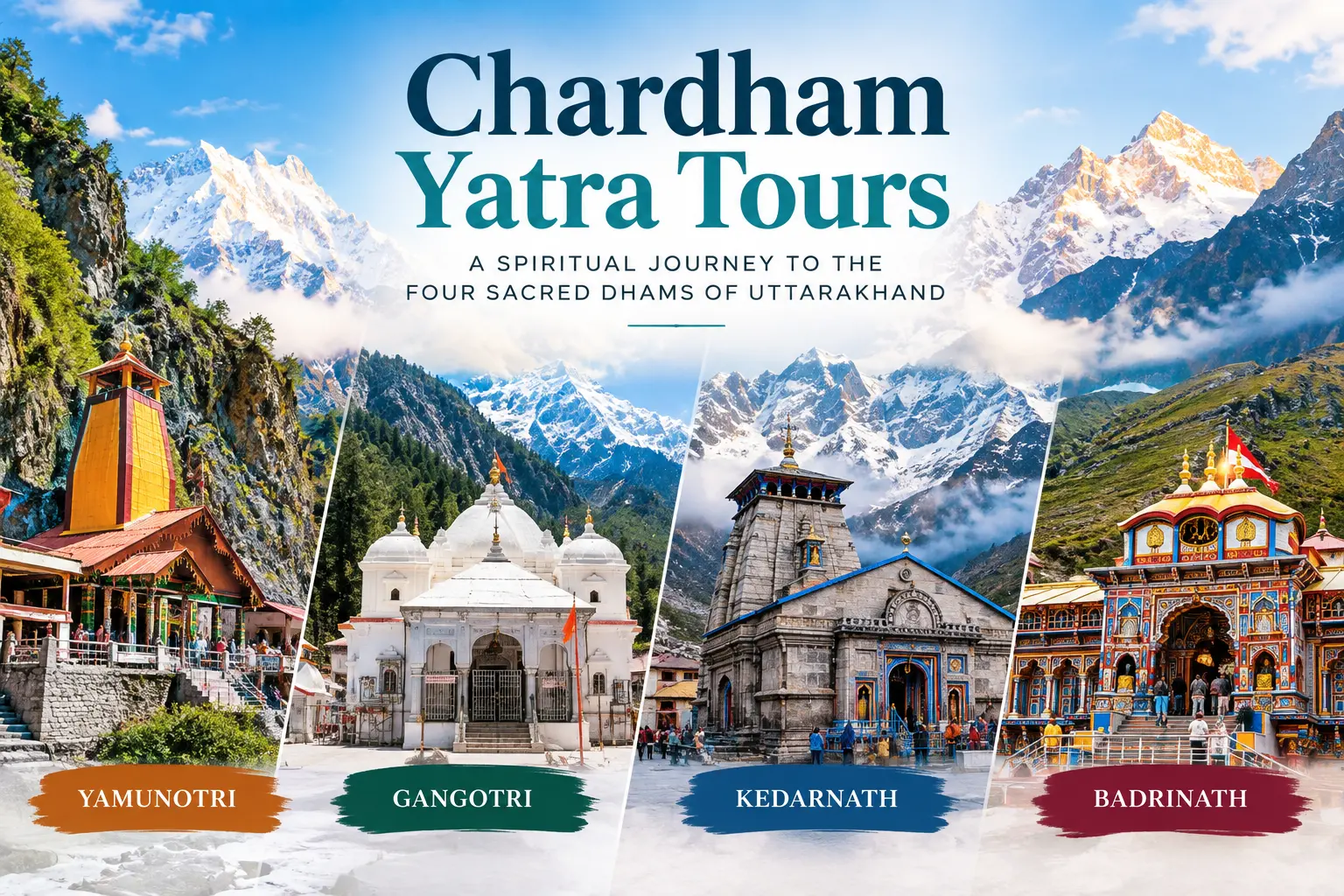 The Chardham Yatra Tours is one of the most important pilgrimage journeys in India. Located in the Himalayan state of Uttarakhand, the four sacred temples of Yamunotri, Gangotri, Kedarnath, and Badrinath attract thousands of pilgrims every year. Surrounded by mountains, rivers, forests, and peaceful valleys, the journey combines spiritual significance with the natural beauty of the Himalayas.
For travellers planning this pilgrimage, chardham yatra tours provide a convenient way to organise transportation, accommodation, meals, temple visits, and the overall route. Depending on the itinerary and travel preferences, pilgrims can choose from road-based tours, helicopter services, customised packages, or group departures.
This guide explains everything you need to know before planning your Chardham Yatra, including the route, major temples, ideal travel season, duration, and important travel tips.
What Is the Chardham Yatra?
The Chardham Yatra refers to a pilgrimage covering four major Hindu temples in Uttarakhand:
- Yamunotri – Dedicated to Goddess Yamuna
- Gangotri – Dedicated to Goddess Ganga
- Kedarnath – One of the twelve Jyotirlingas of Lord Shiva
- Badrinath – Dedicated to Lord Vishnu
These temples are located in different Himalayan valleys, making the journey both spiritually significant and geographically diverse.
The traditional pilgrimage usually begins with Yamunotri and Gangotri before continuing towards Kedarnath and Badrinath. However, the exact route can vary depending on the starting point, road conditions, accommodation availability, and the tour operator.
Why Choose Chardham Yatra Tours?
Planning a Himalayan pilgrimage independently can involve several logistical challenges. The temples are located in remote areas, and travel between destinations often requires long road journeys, trekking, or additional transportation.
Professionally organised chardham yatra tours can simplify the journey by coordinating the major travel arrangements in advance.
Key benefits include:
- Pre-planned transportation
- Hotel and guesthouse arrangements
- Assistance with route planning
- Scheduled temple visits
- Meals according to the selected package
- Driver or tour coordinator support
- Assistance during trekking sections
- Options for customised itineraries
- Better coordination for group travel
For families, senior citizens, school or community groups, and first-time visitors to Uttarakhand, having a structured itinerary can make the pilgrimage easier to manage.
Chardham Yatra Route
A commonly followed Chardham route is:
Haridwar/Rishikesh → Barkot → Yamunotri → Uttarkashi → Gangotri → Guptkashi/Sitapur → Kedarnath → Rudraprayag → Badrinath → Joshimath → Rishikesh/Haridwar
The route may change depending on road conditions, weather, accommodation, and the starting or ending city.
The journey involves a combination of road travel and trekking. Yamunotri and Kedarnath particularly require additional walking or alternative transport arrangements.
Yamunotri – The Source of the Yamuna
Yamunotri is the first major destination on many Chardham itineraries. Located in the Garhwal Himalayas, the temple is dedicated to Goddess Yamuna.
The temple is situated near the source of the Yamuna River and is surrounded by dramatic mountain scenery. Pilgrims traditionally travel from the roadhead at Janki Chatti towards Yamunotri.
The trek is approximately 5–6 kilometres one way, although the actual distance and accessibility can vary due to route conditions.
Visitors can also find options such as ponies, palkis, and other local services, subject to availability and operational conditions.
Highlights of Yamunotri
- Yamunotri Temple
- Surya Kund
- Divya Shila
- Himalayan landscapes
- Yamuna River
- Janki Chatti
The combination of the temple and surrounding mountain environment makes Yamunotri an important part of the pilgrimage.
Gangotri – The Sacred Ganga
The second major destination is Gangotri, one of the most revered pilgrimage sites associated with the River Ganga.
Gangotri Temple is located beside the Bhagirathi River and is surrounded by the Himalayan mountains. According to Hindu tradition, this region is associated with the descent of the Ganga to Earth.
Gangotri is relatively accessible by road compared with Yamunotri and Kedarnath, making it an important stop in the pilgrimage circuit.
Places to See Around Gangotri
- Gangotri Temple
- Bhagirathi River
- Pandava Gufa
- Surya Kund
- Harsil
- Dharali
Harsil, located on the route to Gangotri, is also known for its scenic mountain landscapes, forests, and apple orchards.
Kedarnath – The Himalayan Jyotirlinga
Kedarnath is one of the most significant destinations on the Chardham Yatra. The ancient Kedarnath Temple is dedicated to Lord Shiva and is traditionally regarded as one of the twelve Jyotirlingas.
Located at a high altitude in the Garhwal Himalayas, Kedarnath requires careful planning because of the demanding terrain and changing mountain weather.
The traditional route involves travelling by road to Sonprayag and then continuing towards the Kedarnath area. The trekking distance can vary based on the operational route and current conditions.
Pilgrims can also explore authorised helicopter services when available and subject to weather and operational schedules.
Kedarnath Highlights
- Kedarnath Temple
- Mandakini River
- Himalayan mountain views
- Bhairavnath Temple
- Scenic trekking route
Because of the altitude and physical demands, travellers should plan sufficient time for acclimatisation and rest.
Badrinath – The Abode of Lord Vishnu
Badrinath is the final major destination in the traditional Chardham circuit of Uttarakhand.
The Badrinath Temple is dedicated to Lord Vishnu and is situated along the Alaknanda River. The temple town is surrounded by high Himalayan peaks and is one of the most visited pilgrimage destinations in the region.
The town also provides access to several important nearby attractions.
Places to Visit in Badrinath
- Badrinath Temple
- Tapt Kund
- Mana Village
- Vyas Gufa
- Ganesh Gufa
- Saraswati River
- Bhim Pul
Mana Village, located near the India-Tibet border region, is particularly popular among visitors for its cultural and geographical significance.
Best Time for Chardham Yatra
The Chardham temples are located in high-altitude Himalayan areas and are generally accessible only during a limited pilgrimage season.
The exact opening and closing dates vary each year according to traditional calendars, weather conditions, and local administration.
Generally, the pilgrimage season falls during the warmer months and continues into autumn. May and June can see significant visitor numbers, while September and October often provide another popular travel period.
Travellers should always check the official temple and local administration updates before finalising their journey.
How Many Days Are Required for Chardham Yatra?
A complete Chardham pilgrimage generally requires around 9 to 12 days, depending on the starting point, transportation, road conditions, accommodation, and the amount of time spent at each destination.
A typical itinerary may look like:
| Day | Route / Activity |
|---|---|
| Day 1 | Haridwar/Rishikesh – Barkot |
| Day 2 | Barkot – Yamunotri – Barkot |
| Day 3 | Barkot – Uttarkashi |
| Day 4 | Uttarkashi – Gangotri – Uttarkashi |
| Day 5 | Uttarkashi – Guptkashi/Sitapur |
| Day 6 | Guptkashi – Sonprayag – Kedarnath |
| Day 7 | Kedarnath – Sonprayag – Guptkashi |
| Day 8 | Guptkashi – Badrinath |
| Day 9 | Badrinath sightseeing – Joshimath |
| Day 10 | Joshimath – Rishikesh/Haridwar |
The itinerary can be extended depending on the traveler’s preferences and the selected transportation arrangements.
Chardham Yatra by Road or Helicopter?
Travellers can choose different ways to complete the pilgrimage.
Chardham Yatra by Road
Road-based tours are suitable for travellers who want to experience the Himalayan landscape and follow a traditional pilgrimage route.
They are generally more economical and provide opportunities to visit destinations along the route.
Chardham Yatra by Helicopter
Helicopter services can significantly reduce travel time, particularly for travellers who want to minimise long road journeys.
However, helicopter operations depend on weather, government regulations, operator schedules, and availability. Travellers should therefore confirm all operational details before booking.
What Is Included in Chardham Yatra Packages?
The inclusions depend on the tour operator and package selected. A standard package may include:
- Accommodation
- Transportation
- Breakfast and dinner
- Driver services
- Airport or railway station transfers, where applicable
- Sightseeing as mentioned in the itinerary
- Tour coordinator assistance
- Local transportation for selected destinations
Some packages may additionally include helicopter transfers, VIP darshan arrangements, meals, or special assistance.
Always check the detailed inclusions and exclusions before making a booking.
What Is Usually Not Included?
Common exclusions may include:
- Air or train tickets unless specifically mentioned
- Personal expenses
- Laundry
- Additional meals
- Medical expenses
- Travel insurance
- Personal porter charges
- Pony or palki charges unless included
- Helicopter services unless specifically included
- Expenses caused by weather-related delays
The exact inclusions and exclusions should be confirmed before booking.
Important Tips for Chardham Yatra
A Himalayan pilgrimage requires more preparation than a conventional holiday. Keep these points in mind:
1. Check Weather Conditions
Mountain weather can change quickly. Check the forecast before travelling and keep suitable clothing with you.
2. Carry Essential Medicines
Bring regularly required medicines and a basic first-aid kit. Travellers should also carry sufficient personal medication for the complete journey.
3. Pack Light
A lightweight backpack is easier to manage during trekking sections. Carry warm layers, comfortable walking shoes, rain protection, sunglasses, sunscreen, and basic toiletries.
4. Allow Extra Travel Time
Road journeys in the Himalayas can take longer than expected because of traffic, weather, road maintenance, or local restrictions.
5. Follow Local Instructions
Follow instructions from local authorities, temple administrations, drivers, guides, and tour coordinators, especially during periods of heavy rainfall or difficult weather.
6. Prepare for Altitude
Kedarnath and other high-altitude destinations can be physically demanding. Travellers should avoid rushing and allow adequate time for rest.
Who Can Consider Chardham Yatra Tours?
The pilgrimage can be suitable for individuals, couples, families, senior travellers, and organised groups, depending on their physical condition and the itinerary selected.
Families travelling with elderly members may prefer itineraries with additional rest days and comfortable transportation. Younger travellers may choose a more active itinerary that includes trekking and longer sightseeing stops.
Customised chardham yatra tours can also be planned according to the group’s preferred travel dates, accommodation category, transportation, and duration.
Why Plan Your Chardham Yatra in Advance?
Demand for accommodation and transportation can be high during the pilgrimage season. Popular travel dates may also fill quickly.
Advance planning allows travellers to coordinate:
- Hotel bookings
- Transportation
- Temple visits
- Helicopter services, if required
- Trekking arrangements
- Meals
- Group requirements
- Emergency planning
This is particularly important for larger families and group tours.
Follow Us & Travel With Us
Get travel inspiration, exciting destinations, tour updates & special offers.
Frequently Asked Questions About Chardham Yatra Tours
What are the four Dhams of Uttarakhand?
The four Dhams of Uttarakhand are Yamunotri, Gangotri, Kedarnath, and Badrinath.
How many days are enough for Chardham Yatra?
A complete journey generally takes around 9 to 12 days, although the duration can vary depending on the starting point, route, transportation, weather, and itinerary.
What is the best month for Chardham Yatra?
The pilgrimage season generally runs through the warmer months and into autumn. May–June and September–October are commonly considered popular travel periods, but travellers should check the current year’s opening dates and weather conditions before travelling.
Is Chardham Yatra suitable for senior citizens?
Senior citizens can undertake the pilgrimage, but the journey includes long road journeys, high-altitude locations, and trekking sections. A slower itinerary with suitable accommodation and transportation arrangements may be more appropriate.
Can Chardham Yatra be done by helicopter?
Helicopter services are available on selected routes and can reduce travel time. Availability, weather conditions, operating schedules, and applicable regulations should be confirmed before booking.
What should I carry for Chardham Yatra?
Travellers should carry warm clothing, comfortable walking shoes, rain protection, personal medicines, identification documents, sunscreen, sunglasses, toiletries, and a small backpack.
Can Chardham Yatra tours be customised?
Yes. Depending on the tour operator, travellers can customise the duration, accommodation, transportation, meal plan, starting point, and other travel arrangements.
Plan Your Chardham Yatra
The Chardham Yatra is more than a journey between four temples. It is an opportunity to experience some of the most revered pilgrimage sites and spectacular landscapes of the Indian Himalayas.
With proper planning, suitable accommodation, reliable transportation, and a well-structured itinerary, the journey can be organised comfortably for individuals, families, and groups.
If you are planning your pilgrimage, compare different chardham yatra tours based on itinerary, inclusions, accommodation, transportation, travel duration, and support services rather than choosing a package only on price. A carefully planned journey can help you focus on the spiritual and cultural experience while making the practical aspects of Himalayan travel easier to manage.