Leh Ladakh: The Ultimate Travel Guide to Mountains, Lakes and Adventure
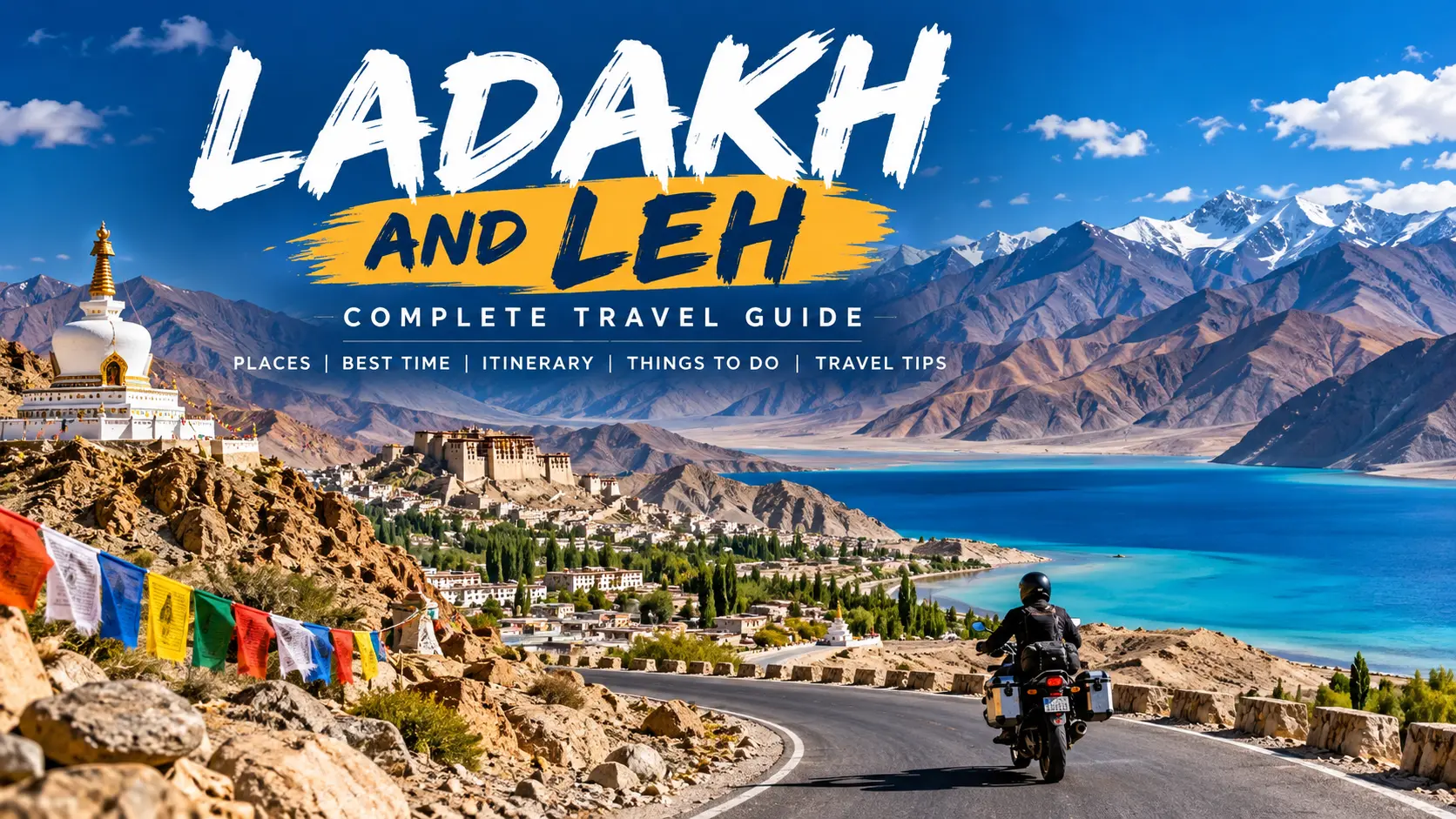 Imagine driving through winding Himalayan roads, watching snow-covered peaks rise above barren mountains, discovering ancient monasteries, and standing beside a lake that changes its shades of blue with the sunlight. This is the magic of Leh Ladakh, one of India’s most extraordinary travel destinations.
Located in the northern Himalayas, Ladakh is renowned for its dramatic landscapes, peaceful Buddhist monasteries, high mountain passes, crystal-clear lakes, traditional villages, and thrilling adventure experiences. Whether you are planning a family holiday, a romantic getaway, a solo journey, or an adventurous Leh Ladakh bike trip, this remarkable region offers something unforgettable for every traveller.
Leh, the main town and a popular gateway to the region, is often the starting point for exploring destinations such as Nubra Valley, Pangong Lake, Khardung La, and the remote landscapes of Changthang. Beyond its natural beauty, Ladakh offers a fascinating glimpse into Himalayan culture, local traditions, spirituality, and mountain life.
If you are planning a trip to Ladakh, this complete travel guide will help you discover the best places to visit, the ideal time to travel, popular activities, transportation options, and essential tips for a memorable journey.
Where Are Leh and Ladakh Located?
Ladakh is a Union Territory of India situated in the northern part of the country, surrounded by spectacular mountain ranges, including the Himalayas and the Karakoram. Its landscape includes high-altitude deserts, glacial valleys, turquoise lakes, rocky mountains, and remote settlements.
Leh is the principal town of the region and an important base for travellers exploring Ladakh. It offers accommodation, restaurants, markets, transport services, and access to many of the region’s best-known attractions.
Although people commonly use the phrase “Leh Ladakh” to describe the destination as a whole, Leh is a town within Ladakh rather than a separate destination from it.
The region’s unique combination of natural beauty, cultural heritage, and adventure makes it an appealing destination for domestic and international travellers. Its famous monasteries, high mountain roads, and spectacular lakes are among the main reasons why Ladakh continues to attract visitors from around the world.
Why Should You Visit Leh Ladakh?
A trip to Leh Ladakh is much more than a conventional holiday. It is an opportunity to experience a distinctive mountain environment, discover local traditions, and explore some of India’s most dramatic landscapes.
Here are some reasons to add Ladakh to your travel bucket list:
- Breathtaking Himalayan landscapes: Enjoy panoramic views of rugged mountain ranges, deep valleys, and vast high-altitude plateaus.
- Beautiful high-altitude lakes: Visit the iconic Pangong Lake and the peaceful Tso Moriri.
- Thrilling mountain roads: Experience scenic journeys across high passes and remote Himalayan routes.
- Rich cultural heritage: Explore historic monasteries, traditional villages, royal architecture, and local markets.
- Adventure activities: Enjoy trekking, mountain biking, motorcycle touring, photography, and selected winter experiences.
- Peaceful surroundings: Discover quiet landscapes, traditional settlements, and extraordinary night skies away from busy cities.
- Memorable road trips: Travel through some of India’s most scenic mountain routes from Srinagar or Manali when seasonal road conditions permit.
Ladakh is particularly appealing to travellers who enjoy combining natural beauty, cultural discovery, and outdoor adventure in one journey.
Best Places to Visit in Leh Ladakh
From the lively streets of Leh to the remote valleys of eastern Ladakh, every destination has its own character. Here are some of the best places to visit in Leh Ladakh for first-time visitors and returning travellers.
1. Leh Town – The Gateway to Ladakh
Leh is the natural starting point for most Ladakh itineraries. Situated at a high altitude, the town combines mountain scenery with traditional architecture, Buddhist heritage, and a welcoming travel atmosphere.
Visitors can explore Leh Market, admire the historic Leh Palace, enjoy panoramic views from Shanti Stupa, and visit nearby monasteries. The town also provides an excellent opportunity to experience local cuisine, purchase traditional handicrafts, and prepare for longer journeys into the surrounding valleys.
Spend your initial days exploring Leh at a relaxed pace. Allowing time to adjust to the altitude before undertaking strenuous activities is especially important for a safer and more comfortable trip.
2. Pangong Lake – The Iconic Blue Lake of Ladakh
Pangong Lake, also known as Pangong Tso, is one of the most famous attractions in Leh Ladakh. Located at approximately 4,350 metres above sea level, this spectacular high-altitude lake is known for its changing shades of blue, green, and other colours as the light shifts.
Surrounded by barren mountains, the lake offers extraordinary scenery for photography, peaceful lakeside walks, and memorable overnight stays in permitted accommodation areas.
The journey from Leh to Pangong Lake is an experience in itself, with mountain passes, expansive valleys, and dramatic landscapes along the route. Travellers should plan sufficient time for the drive and check road conditions before departure.
Pangong Lake is a highlight of many Leh Ladakh tour packages, particularly for couples, families, photographers, and nature enthusiasts.
Travel tip: Temperatures can fall sharply after sunset. Carry warm clothing even when visiting during the warmer travel season, and follow local instructions about lakeside access and overnight stays.
3. Nubra Valley – A Beautiful Himalayan Desert
Nubra Valley is among the most distinctive destinations in Ladakh. Known for its mountain scenery, river valleys, traditional settlements, and unusual cold-desert landscapes, it provides a striking contrast to the rugged surroundings of Leh.
The valley is particularly famous for the Hunder Sand Dunes, where visitors can see double-humped Bactrian camels against a backdrop of mountains. Camel rides may be available depending on local operating conditions.
Other highlights include Diskit Monastery, the impressive Maitreya Buddha statue, and the picturesque villages scattered throughout the valley.
Travellers can also consider visiting Turtuk, a village known for its Balti culture, local traditions, and apricot orchards. Its inclusion depends on the itinerary, available time, road conditions, and applicable travel permissions.
Nubra Valley is an excellent choice for travellers who want to experience a different side of Ladakh beyond the familiar landscapes of Leh.
4. Khardung La – A Famous High Mountain Pass
Khardung La is one of the best-known mountain passes associated with a Leh Ladakh road trip. It lies on the route connecting Leh with Nubra Valley and is popular among motorcycle riders, road-trip enthusiasts, and adventure travellers.
The drive offers spectacular views of the surrounding mountains and a sense of adventure that makes travelling through Ladakh special.
However, the altitude can affect even experienced travellers. Conditions may change rapidly, and road access can depend on weather, maintenance, and local restrictions.
Avoid unnecessary exertion at the pass, follow official instructions, and never assume that a road is safe or accessible simply because it appears on an itinerary.
5. Shanti Stupa – Peaceful Views Over Leh
Shanti Stupa is a prominent white-domed Buddhist monument located on a hill overlooking Leh. It is a popular place to enjoy panoramic views of the town and surrounding mountains.
The stupa is especially appealing during sunrise and sunset, when changing light creates beautiful contrasts across the landscape.
Visitors can explore the monument, appreciate its peaceful atmosphere, and take photographs of Leh from above. Because it is relatively close to the town centre, Shanti Stupa is easy to include in a local sightseeing itinerary.
6. Leh Palace – A Glimpse into Ladakh’s History
Leh Palace is a historic royal structure overlooking the town. Its traditional Himalayan architecture and elevated location make it an important cultural landmark.
Exploring the palace offers insight into Ladakh’s royal heritage while providing views across Leh’s rooftops, surrounding mountains, and the Indus Valley.
It is an excellent addition to a sightseeing day that also includes Leh Market and nearby cultural attractions.
7. Thiksey Monastery – Himalayan Spiritual Heritage
Thiksey Monastery is one of Ladakh’s most recognisable monasteries. Its tiered architecture rises above the surrounding landscape, creating an impressive sight against the mountains.
The monastery is known for its Buddhist heritage, prayer halls, religious artwork, and peaceful setting. Visitors can learn about local spiritual traditions while appreciating the region’s distinctive architecture.
Dress respectfully, observe monastery rules, and seek permission before photographing religious ceremonies or people.
8. Hemis Monastery – Culture and Tradition
Hemis Monastery is an important Buddhist monastery in Ladakh and is widely associated with its annual monastic festival.
The monastery offers visitors an opportunity to explore Buddhist traditions, religious artwork, and the cultural history of the region. If you are interested in festivals, check the official calendar before planning your trip, as event dates vary by year.
A visit to Hemis can add a meaningful cultural dimension to a journey otherwise focused on landscapes and adventure.
9. Magnetic Hill – An Unusual Roadside Attraction
Magnetic Hill is a well-known stop on the Leh–Kargil road, famous for an optical illusion that makes vehicles appear to move uphill under certain viewing conditions.
The surrounding landscape is equally appealing, with barren mountains, open skies, and expansive views typical of the region.
Travellers usually include Magnetic Hill as part of a sightseeing excursion from Leh, often alongside the confluence of the Indus and Zanskar rivers.
10. Tso Moriri Lake – A Peaceful High-Altitude Escape
Tso Moriri is a beautiful high-altitude lake located in the Changthang region of Ladakh. Its clear waters, open landscapes, and surrounding mountains make it an attractive destination for nature lovers and photographers.
Compared with more frequently visited locations, the journey to Tso Moriri can feel more remote and quiet. The region is also significant for its wildlife and wetland habitats.
Because the lake is situated at a considerable altitude, travellers should plan carefully, check accommodation availability, and allow adequate time for acclimatisation.
Follow local conservation guidelines, avoid disturbing wildlife, and do not leave litter behind.
Best Time to Visit Leh Ladakh
The best time to visit Leh Ladakh depends on your interests, preferred travel style, and the destinations you wish to explore. Summer is popular for sightseeing and road trips, while spring and autumn offer different landscapes and a quieter atmosphere. Winter attracts travellers interested in snow, extreme cold, and specialised winter adventures.
Summer: May to September
Summer is generally the most popular season for a Leh Ladakh trip. During this period, many sightseeing routes and mountain roads are accessible, subject to weather and local conditions.
This season is ideal for exploring Leh, travelling to Nubra Valley and Pangong Lake, enjoying mountain scenery, and undertaking selected trekking or biking activities.
Road accessibility varies by route and year, so confirm conditions before finalising your itinerary.
Autumn: September to October
Autumn can be a rewarding time to visit Ladakh, particularly for photography and travellers who prefer a calmer atmosphere.
The landscapes take on warmer tones, the skies can be clear, and the region offers excellent opportunities for scenic drives and cultural sightseeing.
However, temperatures fall as the season progresses, and some facilities or transport services may operate on reduced schedules.
Winter: November to February
Winter transforms Ladakh into a cold, snow-covered mountain destination. Temperatures can become extremely low, and road travel may be affected by snow, ice, or closures.
Winter is suitable for travellers who are well prepared for harsh conditions and who choose activities with experienced local operators. The Chadar Trek, which involves walking along sections of the frozen Zanskar River, is a specialised adventure that depends on suitable ice conditions and official guidance.
Winter travel requires additional planning for accommodation, heating, transport, clothing, and emergency support.
Spring: March to April
Spring brings a gradual seasonal transition to Ladakh. Snow may remain on higher mountain routes, while some lower areas begin to show signs of the approaching warmer season.
This period can appeal to photographers and travellers interested in quieter landscapes. However, it is important to verify which roads, hotels, and attractions are operating before booking.
Overall recommendation: For a conventional first-time Ladakh holiday, consider planning around the main summer travel season, while remaining flexible about road access and weather.
How to Reach Leh Ladakh
There are several ways to reach Ladakh, depending on your starting point, available time, budget, and travel preferences.
By Air
Flying to Leh is one of the most convenient options for travellers with limited time. Kushok Bakula Rimpochee Airport serves Leh, with flight availability depending on the airline and season.
After arriving, plan a relaxed first day and avoid rushing into high-altitude excursions. The rapid change in elevation can increase the risk of altitude-related illness.
By Road from Manali
The Manali–Leh highway is popular among motorcycle riders, road-trip enthusiasts, and travellers who enjoy dramatic Himalayan scenery.
The route passes through high mountain terrain and offers impressive views, but road access is seasonal and depends on weather, snow clearance, and local conditions.
Before travelling, check the latest official road status, fuel availability, and accommodation options along the route.
By Road from Srinagar
The Srinagar–Leh highway provides another scenic approach to Ladakh. Travellers can experience changing landscapes, mountain passes, and settlements along the way.
Depending on the itinerary, the journey can include an overnight stop en route. Allow enough time for road conditions, breaks, and unexpected delays rather than relying on a rigid driving schedule.
By Train
There is no railway station in Leh. Travellers arriving by train need to continue by road from a suitable railway-connected city, such as Jammu, depending on their route and onward transport arrangements.
For most visitors, flying directly to Leh or planning a road journey from Srinagar or Manali is more straightforward.
Best Things to Do in Leh Ladakh
Beyond visiting popular attractions, Ladakh offers plenty of opportunities to experience its landscapes and culture.
Enjoy a Leh Ladakh Bike Trip
A Leh Ladakh bike trip is a bucket-list experience for many motorcycle enthusiasts. Scenic highways, winding mountain roads, and spectacular passes make the region especially appealing to riders.
Choose a suitable motorcycle, carry protective riding equipment, check the condition of your vehicle, and confirm fuel stops before setting out. Riders should also account for altitude, weather changes, and limited services in remote areas.
Experience Local Culture and Monasteries
Explore traditional villages, visit Buddhist monasteries, discover local crafts, and learn about Ladakh’s cultural heritage.
Where possible, support locally owned guesthouses, restaurants, guides, and community businesses. Responsible tourism helps ensure that visitors contribute positively to the region.
Capture Himalayan Landscapes
Ladakh offers outstanding opportunities for photography, from colourful lakes and rugged mountain passes to monasteries and village life.
Early mornings and evenings can provide beautiful natural light, although the best conditions depend on the weather and season.
Always respect local customs and obtain permission before photographing people, private property, or religious activities.
Go Trekking
Ladakh has trekking routes suited to different experience levels, including popular valley treks and more demanding high-altitude expeditions.
Choose a route according to your fitness, experience, available time, and acclimatisation. Use experienced local guides where appropriate, and never underestimate the risks of altitude, cold, and changing weather.
Explore Ladakhi Cuisine
Food is another important part of experiencing the region. Visitors can try local dishes such as thukpa, momos, skyu, and butter tea, depending on availability.
Traditional Ladakhi cuisine reflects the area’s climate, ingredients, and cultural influences. Exploring local food is a wonderful way to connect with the destination beyond sightseeing.
Enjoy Stargazing
Ladakh’s high-altitude landscapes and dark skies can create excellent opportunities for observing stars, particularly in areas away from artificial lighting.
Hanle and parts of the Changthang region are known for their astronomical appeal. Stargazing conditions depend on cloud cover, moonlight, weather, and access arrangements.
If visiting remote areas, plan transport and accommodation in advance and follow local rules.
Suggested 6-Day Leh Ladakh Itinerary
If you are planning your first trip, a six-day itinerary can provide a useful starting point. The following plan covers major highlights, although additional days may be necessary for a more relaxed journey or visits to remote destinations.
Day 1: Arrival in Leh
Arrive in Leh, transfer to your accommodation, rest, and begin acclimatisation. Keep activities light and avoid strenuous sightseeing immediately after arrival.
Day 2: Leh Local Sightseeing
Explore Leh Palace, Shanti Stupa, Leh Market, and selected nearby monasteries, depending on how you feel after acclimatising.
Day 3: Leh to Nubra Valley
Travel towards Nubra Valley via Khardung La if the route is open and conditions are suitable. Visit Diskit Monastery and the Hunder Sand Dunes, then stay overnight in the valley.
Day 4: Nubra Valley to Pangong Lake
Continue towards Pangong Lake using an officially accessible route suitable for current conditions. Enjoy the scenery and spend the night at permitted accommodation if available.
Day 5: Pangong Lake to Leh
Return to Leh, allowing adequate time for the drive and breaks. Keep the evening relaxed after the long journey.
Day 6: Departure from Leh
Transfer to the airport or continue your onward journey, depending on your travel arrangements.
This is a sample itinerary, not a guarantee of route access. It should be adjusted according to road conditions, travel permissions, weather, accommodation availability, and your acclimatisation needs. Travellers who want to visit Tso Moriri or explore more remote parts of Ladakh should consider adding extra days rather than attempting to cover everything in one short trip.
Essential Travel Tips for Leh Ladakh
Preparing properly can make a major difference to your comfort and safety during a Ladakh holiday.
1. Acclimatise Before Exploring
Leh is at a high altitude, and travelling quickly from a low-altitude location can increase the risk of acute mountain sickness.
Rest after arrival, avoid strenuous activity initially, and increase your activity gradually. If you develop symptoms such as a headache, nausea, dizziness, or unusual fatigue, stop ascending and seek medical advice. Severe symptoms, including breathlessness at rest, confusion, or difficulty walking straight, require urgent medical attention and descent with assistance.
2. Pack Suitable Clothing
Weather can change rapidly in the mountains, even during summer. Pack warm layers, a windproof jacket, comfortable footwear, sunglasses, sunscreen, and clothing suitable for cold evenings.
Winter travellers need specialised cold-weather clothing and equipment.
3. Keep Essential Documents Ready
Carry valid identification, booking confirmations, and any permits or registrations required for your intended route. Requirements can change, so consult official sources before departure.
4. Plan Fuel and Transport Carefully
Remote routes may have limited fuel stations, repair facilities, mobile connectivity, and medical services.
If you are driving or riding, check the route in advance and make a realistic plan for fuel, rest stops, and emergencies.
5. Carry Cash and Offline Essentials
Do not rely entirely on mobile networks or digital payments in remote areas. Carry some cash, download offline maps, and keep important contact information accessible.
6. Travel Responsibly
Avoid littering, respect wildlife, minimise plastic waste, and follow local restrictions. Be mindful of water use and support businesses that operate responsibly.
7. Check Current Travel Conditions
Before departure, confirm road status, weather forecasts, accommodation, transport schedules, and access requirements with reliable official sources and local operators.
These checks are particularly important for remote lakes, high mountain passes, border-region routes, and winter travel.
Leh Ladakh Trip Cost: What Should You Budget For?
The total cost of a Leh Ladakh trip depends on your travel dates, group size, transport, accommodation category, meals, and the destinations included.
Your budget may include:
- Flights or road transportation to and from Leh.
- Hotels, guesthouses, or camps.
- Local taxis, shared transport, or motorcycle rentals.
- Meals and refreshments.
- Sightseeing, activities, and guide services.
- Required permits or registrations, where applicable.
- Travel insurance and emergency expenses.
Travelling with a group can help distribute some transport costs, while a private vehicle offers greater flexibility but may cost more.
Rather than choosing a package based only on its headline price, compare accommodation standards, vehicle type, route coverage, meal inclusions, and any additional charges.
If you are considering a Leh Ladakh tour package, request a detailed itinerary and written list of inclusions and exclusions before booking.
Is Leh Ladakh Suitable for Families and Couples?
Yes, Ladakh can be suitable for families, couples, and different types of travellers when the itinerary is planned carefully.
Couples may enjoy scenic drives, lakeside views, mountain photography, and peaceful stays. Families can explore Leh’s cultural attractions and selected scenic destinations, provided the pace is comfortable and the altitude is considered.
Travellers with young children, older adults, or existing medical concerns should discuss the suitability of high-altitude travel with a qualified healthcare professional before booking.
The key is to choose the right season, allow sufficient acclimatisation, avoid an overly packed schedule, and select accommodation and transport that meet your needs.
Follow Us & Travel With Us
Get travel inspiration, exciting destinations, tour updates & special offers.
Frequently Asked Questions About Leh Ladakh
1. What is the best time to visit Leh Ladakh?
The main summer travel season, broadly from May to September, is popular for sightseeing and road trips. Exact conditions vary by year, route, and weather, so check accessibility before travelling.
2. How many days are enough for a Leh Ladakh trip?
Around 5–7 days can work for a first trip covering Leh, Nubra Valley, and Pangong Lake, depending on transport and road conditions. A longer stay is preferable if you want to explore remote areas, trek, or travel at a more relaxed pace.
3. Is Leh Ladakh suitable for first-time travellers?
Yes. First-time visitors can explore Ladakh with a well-planned itinerary, suitable transport, adequate acclimatisation, and realistic expectations about road conditions and services.
4. Is a permit required to visit Ladakh?
Requirements depend on nationality, destination, and current regulations. Some areas may have specific permits, registrations, or access restrictions. Verify the latest requirements through official Ladakh administration and tourism sources before departure.
5. Can I visit Ladakh by road from Delhi?
Yes. Travellers can plan a road journey from Delhi through routes connecting with Manali or Srinagar. The journey takes substantial time and is affected by weather, road conditions, and seasonal closures.
6. Is Ladakh safe for tourists?
Ladakh can be a rewarding destination when travellers prepare appropriately. High altitude, severe weather, remote roads, and limited medical facilities in some areas require careful planning. Follow local advice and official safety instructions.
7. What should I pack for a Ladakh trip?
Carry layered clothing, warm outerwear, comfortable shoes, sunglasses, sunscreen, personal medicines, identification, cash, and offline navigation resources. Adapt your packing list to the season and planned activities.
8. Can I visit Pangong Lake and Nubra Valley in one trip?
Yes. Both destinations are commonly included in Leh Ladakh itineraries. The number of days required depends on the route, overnight stays, road conditions, and your preferred pace of travel.
9. Is a bike trip to Leh Ladakh a good idea?
A motorcycle trip can be an unforgettable experience for appropriately prepared riders. It requires suitable riding experience, protective gear, a well-maintained motorcycle, route planning, and careful consideration of altitude and weather.
10. What is special about Leh Ladakh?
Ladakh combines dramatic Himalayan landscapes, high-altitude lakes, ancient monasteries, distinctive local culture, adventure travel, and opportunities to experience remote mountain environments.
Plan Your Leh Ladakh Journey
Leh Ladakh is a destination that rewards travellers who take their time. From the vibrant blue waters of Pangong Lake to the cold-desert landscapes of Nubra Valley, from peaceful monasteries to winding Himalayan roads, every part of the journey offers a different perspective on this remarkable region.
Whether you dream of a scenic family holiday, a romantic mountain escape, a thrilling bike trip, or an immersive cultural adventure, careful planning will help you make the most of your experience.
Choose your travel season thoughtfully, allow time for acclimatisation, check local conditions, and travel responsibly. Most importantly, leave room in your itinerary to enjoy the journey rather than simply rushing between attractions.
Ready to explore Leh Ladakh? Discover suitable travel options, compare itineraries, and plan a journey that matches your interests, travel dates, and budget. With the right preparation, your Ladakh adventure can become one of the most memorable travel experiences of your life.