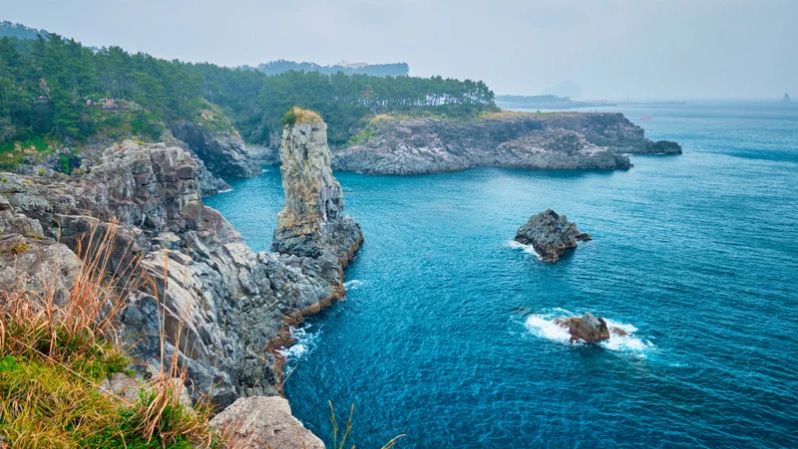
South Korea has become an exciting international destination for travellers who want to experience a unique blend of modern cities, traditional culture, scenic landscapes, shopping and entertainment. From exploring Seoul’s royal palaces and lively shopping districts to enjoying Busan’s coastal attractions, South Korea offers experiences for different types of travellers.
The total cost depends on your travel dates, flights, accommodation, food preferences, sightseeing plans and the number of cities you want to explore. A short Seoul holiday may cost considerably less than a multi city itinerary covering Seoul, Busan and Jeju Island.
In this guide, we break down the South Korea trip cost from India, including return flights, hotels, meals, transportation, sightseeing and visa-related expenses. You will also discover practical ways to plan your budget and decide whether a customised South Korea holiday package is right for you.
How Much Does a South Korea Trip Cost from India?
For planning purposes, a 7 day South Korea holiday may cost approximately ₹1,00,000 to ₹2,20,000 per person, including return economy flights from India.
This is an indicative estimate rather than a fixed package price. Your actual expenses will depend on your departure city, travel season, hotel category, itinerary and spending habits.
| Expense |
Estimated cost per person |
| Return international flights |
₹30,000–₹70,000 |
| Accommodation for 6 nights |
₹15,000–₹45,000 |
| Food and beverages |
₹10,000–₹22,000 |
| Local transportation |
₹4,000–₹10,000 |
| Sightseeing and activities |
₹5,000–₹15,000 |
| Visa and application-related expenses |
₹5,000–₹8,000 |
| Travel insurance |
₹1,500–₹3,000 |
| Miscellaneous expenses |
₹5,000–₹10,000 |
| Estimated total |
₹75,500–₹1,83,000 |
The individual ranges above are illustrative planning estimates, not live quotations. The total can fall below or rise above these figures depending on your arrangements. Shopping, premium experiences, some intercity journeys and other optional expenses may cost extra.
For a comfortable holiday with well located hotels, organised sightseeing and travel between multiple cities, it is sensible to keep some additional money aside.
1. Flight Cost from India to South Korea
International airfare is usually one of the largest expenses when calculating the South Korea trip cost from India.
Most international visitors arrive at Incheon International Airport, which serves Seoul and the surrounding region. Flight options depend on your departure city, travel dates, airline and whether you choose a direct or connecting journey.
Estimated return flight prices
| Departure city |
Indicative return airfare |
| Delhi |
₹30,000–₹70,000 |
| Mumbai |
₹35,000–₹75,000 |
| Bengaluru |
₹35,000–₹80,000 |
| Chennai |
₹35,000–₹80,000 |
These figures are broad planning estimates, not verified fares for specific dates. Prices can change substantially during popular travel periods.
How can you save money on flights?
- Compare fares across different airlines and departure dates.
- Book early when your travel dates are fixed.
- Check connecting flights as well as direct services.
- Compare baggage allowances before selecting a cheaper fare.
- Avoid booking during major holiday periods if your dates are flexible.
If you are planning a South Korea holiday during cherry blossom season or autumn foliage, booking flights and hotels well in advance can help you manage the overall budget.
2. Hotel Cost in South Korea
Accommodation is another major factor in your travel budget. South Korea offers everything from hostels and guesthouses to business hotels, boutique properties and luxury accommodation.
In Seoul, the area you choose can affect both the room price and your daily transportation expenses.
Estimated accommodation costs
| Accommodation type |
Approximate cost per room, per night |
| Hostel or basic guesthouse |
₹2,000–₹5,000 |
| Budget hotel |
₹4,000–₹8,000 |
| Mid-range hotel |
₹7,000–₹15,000 |
| Premium hotel |
₹15,000–₹30,000+ |
Prices vary by location, room occupancy, season and availability.
Where should you stay in Seoul?
Myeongdong: A convenient choice for shopping, street food and access to several popular tourist areas.
Hongdae: Popular among younger travellers for cafés, nightlife, shopping and entertainment.
Insadong: A good option for visitors interested in traditional culture, handicrafts and historic attractions.
Gangnam: Known for contemporary shopping, restaurants, business districts and modern city experiences.
For a first time visitor, staying close to a convenient subway station can make sightseeing easier and reduce dependence on taxis.
If you are travelling as a couple, family or group, compare the total room cost rather than just the per person price. Sharing a room can significantly reduce accommodation expenses.
3. Food Cost in South Korea
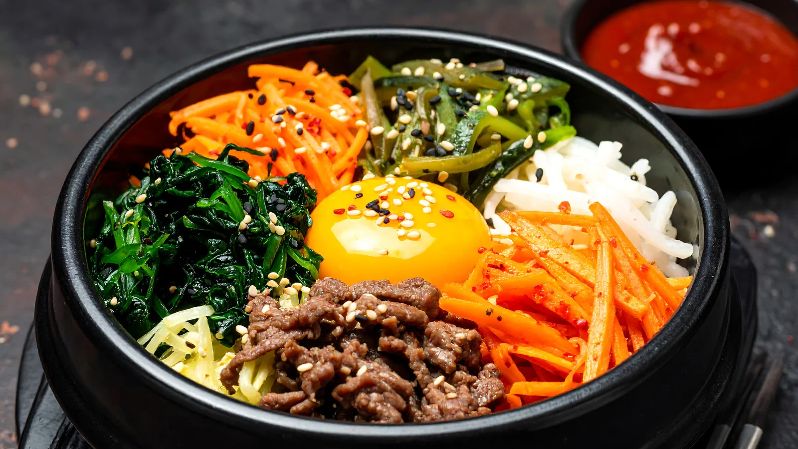
Korean cuisine is an important part of the travel experience. From sizzling barbecue and comforting noodle soups to street snacks and café desserts, there are plenty of ways to explore local food.
Your food budget will depend on where you eat, how frequently you visit cafés and whether you choose casual restaurants or premium dining experiences.
Average daily food budget
| Food option |
Approximate cost per person |
| Convenience-store meals and snacks |
₹300–₹800 |
| Street food and casual meals |
₹500–₹1,200 |
| Restaurant meals |
₹800–₹2,000 |
| Cafés, desserts and speciality dining |
Additional budget required |
For a balanced trip, you could plan approximately ₹1,500 – ₹3,500 per person per day for meals, snacks and beverages, depending on your preferences.
Korean foods worth trying
- Bibimbap: A rice dish served with vegetables and other toppings.
- Bulgogi: Thinly sliced, marinated meat, commonly grilled or pan-cooked.
- Kimchi: A traditional fermented vegetable side dish.
- Tteokbokki: Rice cakes cooked in a spicy sauce.
- Korean fried chicken: A popular dish available in different flavours.
Travellers who prefer vegetarian food should research restaurant menus in advance. Ingredients such as meat stock, fish sauce and seafood may be present in dishes that appear vegetarian. Clearly communicate dietary requirements when ordering.
4. Transportation Cost in South Korea
South Korea has extensive public transportation networks, particularly in major cities. Seoul’s subway and bus systems are useful for reaching shopping districts, cultural attractions and entertainment areas.
Local transportation budget
| Transport option |
Budget guidance |
| Subway and city buses |
Economical for daily sightseeing |
| Airport train or airport bus |
Budget according to your arrival and departure arrangements |
| Taxi |
Useful for late-night journeys or travelling with luggage |
| Intercity train |
Additional cost for journeys such as Seoul to Busan |
| Domestic flight |
May be relevant for certain routes to Jeju Island |
For Seoul, an indicative local transport budget of ₹500–₹1,500 per person per day is a reasonable starting point. Your expenses may increase if you frequently use taxis or travel long distances.
Should you travel between Seoul, Busan and Jeju?
That depends on the duration of your holiday.
- Seoul: Best for palaces, shopping, urban culture, cafés and K-pop-related attractions.
- Busan: Offers coastal scenery, beaches, seafood markets and cultural neighbourhoods.
- Jeju Island: Known for volcanic landscapes, scenic drives, nature and outdoor activities.
Adding more destinations creates additional transportation and accommodation costs. For a seven-day holiday, choose your route carefully so that you spend enough time enjoying each destination rather than constantly changing hotels.
5. Sightseeing and Activities Budget
South Korea offers a mix of historic attractions, cultural experiences, observation decks, museums, theme parks and natural landscapes.
Some attractions are free or inexpensive, while others require advance reservations or paid admission.
Popular attractions to consider
Gyeongbokgung Palace, Seoul
Explore one of Seoul’s best-known royal palaces and learn about Korea’s historical architecture and royal traditions.
Bukchon Hanok Village, Seoul
Discover traditional Korean houses and historic streets. Remember that this is a residential neighbourhood, so visitors should follow local access rules and respect residents.
N Seoul Tower
Enjoy panoramic city views from the Namsan area. Observatory access and other paid experiences have separate charges.
Gamcheon Culture Village, Busan
Visit a colourful hillside neighbourhood known for its artistic atmosphere, viewpoints and narrow lanes.
Haeundae Beach, Busan
Spend time by the coast and explore the surrounding cafés, restaurants and waterfront areas.
Jeju Island
Explore volcanic landscapes, coastal scenery and nature attractions if your itinerary includes the island.
How much should you budget for sightseeing?
For a week long holiday, consider keeping approximately ₹5,000–₹15,000 per person for selected attractions and activities. Theme parks, guided tours, premium experiences and additional day trips can increase this amount.
Check official attraction websites for current opening hours, admission fees, reservation requirements and seasonal closures before travelling.
6. Visa and Entry Requirements for Indian Travellers
Indian passport holders generally need to obtain the appropriate visa before travelling to South Korea for tourism. Entry requirements depend on nationality, travel purpose and the applicable immigration rules.
Before making non-refundable bookings, verify the latest requirements through the official Embassy of the Republic of Korea in India or the relevant Korean Visa Application Centre.
When preparing your travel budget, allow for applicable visa fees, application-centre charges, document preparation and other relevant expenses. Requirements and charges can change, so confirm the current details before submitting an application.
You should also check your passport validity, travel insurance coverage, accommodation details and any required arrival documentation.
7. Best Time to Visit South Korea
The season you choose can influence your flight prices, accommodation costs, sightseeing experience and overall South Korea trip budget.
Spring: March to May
Spring is popular for cherry blossoms, pleasant sightseeing weather and outdoor activities. Blossom timing varies by location and year, so check forecasts before finalising your itinerary.
Best for: Cherry blossom enthusiasts, couples, photographers and first-time visitors.
Summer: June to August
Summer brings warmer weather, humidity and a rainy season. Coastal destinations and indoor attractions can be part of a balanced itinerary.
Best for: Travellers with fixed summer holidays and those interested in beaches or festivals.
Autumn: September to November
Autumn is known for comfortable sightseeing conditions and colourful foliage. Popular foliage periods may bring higher demand for accommodation.
Best for: Scenic holidays, photography, city exploration and nature experiences.
Winter: December to February
Winter brings cold weather, and some regions experience snow. Visitors can explore winter landscapes, seasonal activities and indoor attractions.
Best for: Travellers interested in winter scenery, seasonal experiences and potentially more flexible travel dates.
For better value, compare several travel dates rather than assuming a particular month will always be cheaper. Airfares and hotel prices depend on demand, local events and availability.
HERE Itinerary: South Korea Trip
8. How to Reduce Your South Korea Trip Cost
A memorable holiday does not have to involve unnecessary expenses. A few practical decisions can help you stay within budget.
Book flights and hotels strategically: Compare different dates and cancellation conditions before committing.
Choose accommodation near public transport: A slightly more expensive hotel near a subway station may save money and time on daily journeys.
Mix paid attractions with free experiences: Explore public spaces, markets, neighbourhoods and scenic areas alongside ticketed attractions.
Plan your route before booking hotels: Avoid unnecessary transfers and additional nights caused by inefficient scheduling.
Set a shopping allowance: K-beauty products, fashion, souvenirs and character merchandise can add considerably to your final bill.
Review package inclusions: If you are comparing a tour package with an independent holiday, check whether flights, hotels, meals, transfers, sightseeing tickets and intercity transport are included.
09. Is a South Korea Tour Package from India Worth It?
An independent trip offers flexibility, but organising an international holiday requires time and research. You may need to coordinate flights, accommodation, transport, sightseeing reservations and language-related arrangements.
A well-planned South Korea tour package from India can simplify these decisions by bringing selected services together in one itinerary.
A package may be particularly useful if you are visiting South Korea for the first time, travelling with family, celebrating a special occasion or planning to visit multiple cities.
- Before choosing a package, compare:
- The number of nights and destinations.
- Hotel categories and room arrangements.
- International flights and baggage allowances.
- Airport transfers and intercity transportation.
- Sightseeing inclusions and optional activities.
- Meals, visa assistance and travel insurance.
- Cancellation terms and payment conditions.
At Shikhar Travels, travellers can explore South Korea holiday options tailored to their preferred duration, destinations and travel style.
Whether you want to experience Seoul’s culture and shopping or combine Seoul with Busan and Jeju Island, choosing the right itinerary can help you make the most of your time and budget.
Frequently Asked Questions About South Korea Trip Cost from India
1. How much does a South Korea trip cost from India?
Ans. A 6-night, 7-day holiday may cost approximately ₹1 lakh–₹2.2 lakh per person, including return economy flights. The final amount depends on travel dates, hotel standards, sightseeing, transportation and personal spending.
2. Is South Korea expensive for Indian travellers?
Ans. South Korea can be more expensive than some popular Asian destinations, particularly for centrally located hotels, cafés and premium experiences. However, public transportation, casual restaurants and free attractions can help manage the budget.
3. What is the cheapest way to travel to South Korea from India?
Ans. Compare flight dates, consider connecting flights, book accommodation early and use public transport. Travelling outside periods of high demand may also help, depending on actual fares and hotel availability.
4. How much does a Seoul trip cost from India?
Ans. A Seoul-only holiday may cost less than a multi-city trip because it avoids additional hotel changes and intercity transport. Your total will depend on the length of stay, flight prices, hotel category and selected attractions.
5. How much money should I carry for food in South Korea?
Ans. For planning purposes, allow approximately ₹1,500–₹3,500 per person per day for meals, snacks and beverages, depending on your dining preferences. Premium restaurants and frequent café visits may increase your expenses.
6. Do Indian citizens need a visa for South Korea?
Ans. Indian passport holders generally require the appropriate visa for tourism. Check the latest requirements and application process through the official Korean Embassy or visa application centre before travelling.
7. Is seven days enough to explore South Korea?
Ans. Seven days is enough for a useful introduction to Seoul and one additional destination, such as Busan, if you plan carefully. Visiting Seoul, Busan and Jeju together is possible but requires more travel time and a higher budget.
8. What is the best month to visit South Korea?
Ans. Spring and autumn are popular because of cherry blossoms, autumn foliage and generally favourable sightseeing conditions. The best month depends on your interests, budget and preferred weather.
9. Can I visit South Korea on a budget?
Ans. Yes. Choose affordable accommodation, use public transport, eat at casual local restaurants, prioritise free attractions and plan your route efficiently. Your biggest savings will often come from flights and accommodation.
10. Are South Korea tour packages from India better than independent travel?
Ans. Packages can be convenient for travellers who prefer coordinated arrangements and assistance with planning. Independent travel offers greater flexibility. Compare the total cost and inclusions of both options before deciding.
Plan Your South Korea Holiday with Shikhar Travels
South Korea offers a memorable combination of royal heritage, contemporary city life, Korean cuisine, shopping and scenic destinations. With the right itinerary and realistic budget, you can create a holiday that suits your interests without overlooking essential expenses.
If you are planning a trip from India, explore South Korea tour packages from India and compare itineraries covering Seoul, Busan and other destinations.
Ready to plan your South Korea holiday? Contact Shikhar Travels to discuss your preferred travel dates, budget, duration and destinations, and find a suitable itinerary for your next international adventure.
Post Views: 10