Har Ki Dun Trek: Trekking Through the Paradise of Uttarakhand
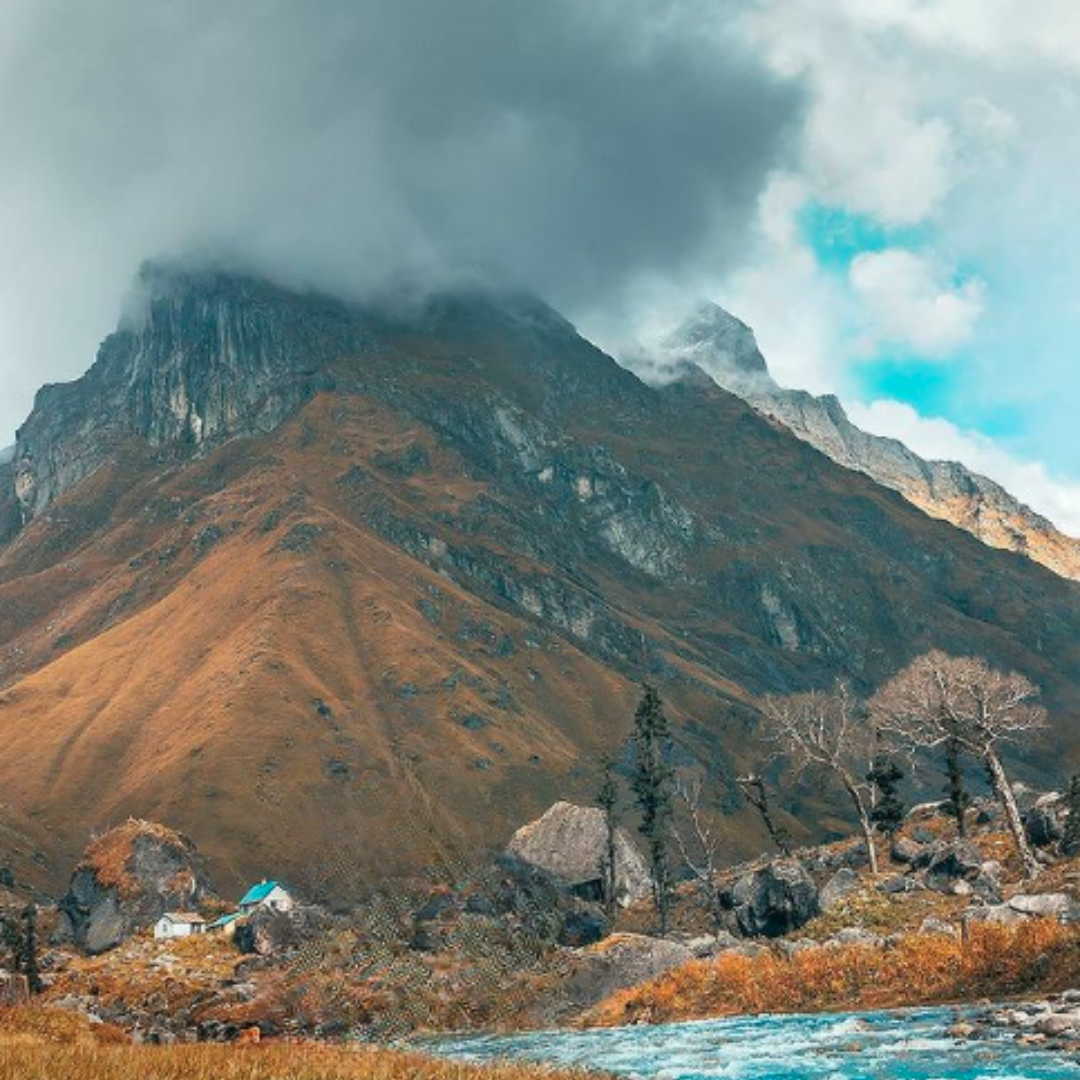
Best time to visit Har Ki Dun: Nestled in the Garhwal Himalayas of Uttarakhand, the Har Ki Dun Valley is one of the most beautiful trekking destinations in the Indian Himalayas. Often associated with the legendary Valley of Gods, this scenic valley is known for its lush green meadows, dense forests, traditional mountain villages, flowing rivers and spectacular views of snow-covered Himalayan peaks.
One of the most interesting aspects of this trek is how dramatically its landscape changes throughout the year. During spring, the trails come alive with blooming flowers and melting snow. Summer brings greener meadows and pleasant trekking conditions, while autumn offers clear mountain views and golden landscapes. Winter transforms the surrounding mountains into a snowy wilderness.
Choosing the right season can significantly influence your trekking experience. The Best time to visit Har Ki Dun depends on whether you prefer colourful valleys, comfortable trekking weather, autumn mountain views or snow-covered Himalayan scenery.
In this guide, we explore the different trekking seasons, monthly weather conditions, snowfall possibilities and important travel considerations to help you plan your Har Ki Dun adventure.
What Is the Best Time to Visit Har Ki Dun?
The generally preferred periods for the Har Ki Dun Trek are March to June and September to November. These windows offer different seasonal experiences, from spring greenery and mountain flowers to clear autumn skies and beautiful Himalayan views.
According to the trekking season information published by IRCTC Tourism, March, April, May, June, September, October and November are among the recommended months for this trek.
Incredible India Travel & Tour Package+1
Here is a quick overview:
| Season | Months | What to Expect |
| Spring | March–April | Melting snow, flowers and cool weather |
| Summer | May–June | Green landscapes and pleasant days |
| Monsoon | July–August | Heavy rainfall and slippery trails |
| Autumn | September–October | Clear mountain views and golden landscapes |
| Early Winter | November | Cold weather and possible fresh snowfall |
| Winter | December–February | Snow-covered surroundings and difficult access |
For most trekkers, spring and autumn are particularly attractive seasons. However, the actual trekking window depends on local weather, trail accessibility, forest permissions and the operating schedule of the trek.
Har Ki Dun Trek in Different Seasons
1. Spring Season (March to April): Snow Patches and Blooming Landscapes
Spring marks the transition from winter towards warmer weather in the Har Ki Dun Valley. As temperatures gradually rise, snow begins melting in the lower sections while higher mountain slopes continue to retain their winter snow cover.
During March, trekkers may encounter snow patches along sections of the trail, particularly at higher elevations. The landscape gradually becomes greener in April, with forest vegetation and seasonal flowers adding colour to the surroundings.
Rhododendron forests are another attraction during the spring season. Their colourful blooms make the forest sections particularly appealing for nature lovers and photography enthusiasts.
What to expect during spring:
- Snow patches may remain along higher trail sections.
- Seasonal flowers begin appearing in forest areas.
- Mountain streams become more active with melting snow.
- Daytime conditions gradually become more comfortable.
- Nights can remain considerably cold.
Who should visit during this season?
Spring is suitable for trekkers who enjoy a combination of snow-covered mountain scenery, blooming forests and changing Himalayan landscapes. Early-season trail conditions can vary, so checking local updates is important.
2. Summer Season (May to June): Green Meadows and Pleasant Trekking Weather
May and June are among the most popular months for exploring Har Ki Dun. As the snow recedes from lower elevations, the valley gradually develops a greener appearance, with open meadows, flowing streams and beautiful mountain scenery.
The walking conditions are generally more comfortable during this period compared with the colder months. The surrounding forests and grasslands become increasingly vibrant, making the trek particularly attractive to landscape photographers and nature enthusiasts.
The views of Swargarohini and other Himalayan peaks create a spectacular backdrop throughout the journey.
June can bring increasing cloud cover and occasional rainfall, particularly as the monsoon approaches. Trekkers should plan their walking schedules carefully and carry appropriate rain protection.
What to expect during summer:
- Greener meadows and forest landscapes.
- Pleasant daytime trekking conditions.
- Flowing mountain streams and rivers.
- Seasonal flowers in suitable sections.
- Increasing chances of rain towards late June.
Who should visit during this season?
May is an excellent choice for trekkers looking for greenery, comfortable walking conditions and beautiful mountain views. Early June is also attractive, although weather conditions can become less predictable towards the end of the month.
3. Monsoon Season (July to August): Lush Greenery but Challenging Trails
The monsoon season brings a dramatic transformation to Har Ki Dun. The valley becomes greener, vegetation flourishes and mountain streams carry increased volumes of water.
Although the natural scenery can be beautiful, July and August are generally less suitable for trekking because of heavy rainfall and changing mountain conditions.
The trails may become muddy and slippery, while landslides and road disruptions can affect access to the Sankri region. Water crossings and river levels may also become more challenging after prolonged rainfall.
Cloud cover can reduce visibility, making it difficult to enjoy distant mountain views.
What to expect during monsoon:
- Dense greenery across the valley.
- Frequent rainfall and cloudy conditions.
- Slippery forest trails and muddy paths.
- Increased water flow in streams.
- Possible landslides and road blockages.
Who should visit during this season?
Monsoon trekking is generally not recommended for regular recreational trekkers. Travellers should consider alternative months unless the route has been assessed as safe and open by local authorities and experienced operators.
4. Autumn Season (September to October): Clear Skies and Golden Valleys
Autumn is another excellent period for the Har Ki Dun Trek. Following the monsoon, rainfall generally decreases and the mountain atmosphere becomes clearer.
September offers fresh greenery, flowing streams and beautiful views of the surrounding landscapes. As October approaches, the vegetation begins changing colour, creating golden and earthy shades across the valley.
The clearer skies during autumn can provide excellent opportunities to photograph prominent Himalayan peaks, including Swargarohini.
Temperatures begin dropping, particularly after sunset, so warm clothing becomes increasingly important.
What to expect during autumn:
- Better mountain visibility after the monsoon.
- Fresh greenery during September.
- Golden and brown landscapes in October.
- Generally drier trekking trails.
- Colder mornings and nights.
Who should visit during this season?
September and October are especially suitable for photographers, experienced nature lovers and trekkers who prefer crisp weather and scenic mountain views. October is particularly attractive for those seeking clear Himalayan landscapes.
5. Winter Season (November to February): Snowfall and Cold Mountain Conditions
Winter gradually transforms the Har Ki Dun region into a snow-covered Himalayan landscape. Temperatures drop significantly, particularly at night, and snowfall becomes increasingly possible at higher elevations.
November is a transitional month when early winter conditions begin developing. Trekkers may encounter colder weather and occasional fresh snow, depending on the timing and elevation.
From December to February, snowfall can become heavier, covering mountain trails, meadows and surrounding forests. The scenery is particularly attractive for people interested in winter landscapes, but trekking becomes considerably more challenging.
Heavy snowfall can block trails and affect road access. Parts of the route may also be subject to seasonal restrictions and wildlife-related closures within Govind Pashu Vihar National Park and Wildlife Sanctuary.
A Culture-Rich Valley in the Himalayas+1
What to expect during winter:
- Snow-covered mountain surroundings.
- Freezing temperatures, especially at night.
- Icy and potentially inaccessible trail sections.
- Shorter daylight hours.
- Greater requirements for winter equipment and experience.
Who should visit during this season?
November can be suitable during the early winter trekking window if the route remains open. December to February should not be treated as a regular trekking season. Any winter expedition requires confirmation of permissions, route access, weather and appropriate technical support.
Har Ki Dun Trek Weather: Month-by-Month Guide
Understanding the weather month by month can help you select the most suitable departure period. Conditions vary between Sankri, the forest sections and the higher valley, so the following table provides a general seasonal overview rather than guaranteed temperature forecasts.
| Month | Weather and landscape | Trekking suitability |
| January | Heavy winter snow and freezing nights | Generally unsuitable; access restrictions possible |
| February | Snow-covered trails and very cold conditions | Generally unsuitable |
| March | Winter-to-spring transition, lingering snow | Depends on reopening and trail conditions |
| April | Spring flowers and snow patches at higher elevations | Good, subject to access |
| May | Green meadows and pleasant daytime weather | Excellent |
| June | Lush landscapes, increasing rain towards month-end | Good, with weather precautions |
| July | Heavy rainfall and slippery trails | Generally avoid |
| August | Monsoon conditions and possible landslides | Generally avoid |
| September | Fresh greenery and improving visibility | Excellent, subject to post-monsoon conditions |
| October | Clear skies, golden landscapes and cold nights | Excellent |
| November | Colder weather and possible early snowfall | Suitable during the permitted trekking window |
| December | Winter snowfall and freezing conditions | Generally unsuitable |
Incredible India Travel & Tour Package+3
Which Month Is Best for Different Trekking Experiences?
The ideal month depends on what you want to experience in the valley.
| Your preference | Recommended period |
| Spring flowers and forests | April |
| Green meadows and pleasant weather | May |
| Summer mountain scenery | May–early June |
| Fresh greenery after monsoon | September |
| Clear Himalayan views | October |
| Golden autumn landscapes | October |
| Early winter atmosphere | November, subject to access |
If you are visiting for the first time, May and October are two particularly attractive months to consider.
Does It Snow During the Har Ki Dun Trek?
Yes, snowfall is one of the seasonal attractions of the Har Ki Dun region. However, the possibility of seeing snow depends on your travel dates, elevation and prevailing weather conditions.
During March and early April, snow may remain along higher sections of the trekking route from the winter season. In May and June, most lower trekking sections generally become greener as snow retreats.
Fresh snowfall becomes increasingly possible towards late autumn and winter. November may bring the first snow at higher elevations, while December, January and February generally experience much colder conditions and greater snow accumulation.
It is important to remember that snowfall is not guaranteed during any particular departure. Travellers should check recent weather reports and trail updates before beginning their trek.
What Should You Pack for Har Ki Dun Trek in Different Seasons?
Packing according to the season is important because weather conditions can change considerably throughout the journey.
Spring and Summer (March–June)
- Lightweight trekking clothes and thermal layers
- Waterproof jacket and rain protection
- Comfortable trekking shoes
- Sunglasses, sunscreen and cap
- Warm jacket for cold nights
Autumn (September–November)
- Fleece and insulated jacket
- Thermal innerwear
- Waterproof outer layer
- Warm gloves and woollen cap
- Trekking poles and headlamp
Winter (December–February)
- Insulated winter clothing
- Waterproof trekking boots
- Gaiters and appropriate traction equipment
- Heavy-duty gloves and thermal layers
- Winter sleeping equipment, where required
Your final packing list should also consider the trek operator’s equipment arrangements, camping facilities and current weather conditions.
Important Tips Before Planning Your Har Ki Dun Trek
Before finalising your trekking dates, keep these practical considerations in mind:
- Check the weather forecast: Mountain weather can change quickly, so review local forecasts before departure.
- Confirm trail accessibility: Check whether the trekking route is open and whether any forest permissions or seasonal restrictions apply.
- Prepare physically: Include regular walking, stair climbing and cardiovascular exercises in your preparation.
- Carry suitable clothing: Layering is important because daytime and nighttime temperatures can differ significantly.
- Start trekking early: Early departures can help you make better use of daylight and avoid some afternoon weather changes.
- Follow local guidance: Listen to your trek leader and follow instructions regarding river crossings, weather conditions and route safety.
- Allow flexibility: Road conditions, rainfall and snowfall can affect the trekking schedule.
These preparations can help make your Himalayan trekking experience more comfortable and organised.
Why Choose Har Ki Dun for Your Next Himalayan Trek?
Har Ki Dun offers a distinctive trekking experience that combines natural beauty, traditional Himalayan culture and scenic mountain trails. Unlike destinations known primarily for their summit views, this valley offers a journey through forests, riverside paths, alpine meadows and remote mountain settlements.
The route generally begins from Sankri and passes through places such as Taluka and Osla before reaching the beautiful Har Ki Dun Valley. Along the way, trekkers encounter traditional wooden houses, local village life and impressive views of the surrounding Himalayan peaks.
The valley is also associated with the mythology of the Mahabharata, adding cultural and historical interest to its natural attractions.
Whether you choose the spring season for blooming forests or autumn for clear mountain views, the Har Ki Dun Trek offers a rewarding opportunity to explore the beauty of Uttarakhand.
Follow Us & Travel With Us
Get travel inspiration, exciting destinations, tour updates & special offers.
Frequently Asked Questions About the Best Time to Visit Har Ki Dun
1. Which month is best for the Har Ki Dun Trek?
May and October are two of the best months. May offers greener landscapes and pleasant weather, while October is known for clear skies and beautiful autumn scenery.
2. Can I do the Har Ki Dun Trek in winter?
Winter conditions can make the route inaccessible, and seasonal restrictions may apply. Confirm trail permissions and accessibility before planning a winter visit.
3. Does it snow during the Har Ki Dun Trek?
Yes. Snow may remain during early spring, while fresh snowfall is possible during late autumn and winter, particularly at higher elevations.
4. Is Har Ki Dun Trek suitable for beginners?
Har Ki Dun is generally considered an easy-to-moderate to moderate trek, depending on the route and conditions. Beginners with reasonable fitness and proper preparation can consider this trek.
5. Is July and August a good time to visit Har Ki Dun?
July and August are generally not recommended because of monsoon rainfall, slippery trails, possible landslides and road disruptions.
Plan Your Har Ki Dun Trek with Shikhar Travels
Choosing the right season is an important part of planning a Himalayan trekking adventure. From the colourful forests of spring to the lush green meadows of summer and the golden landscapes of autumn, Har Ki Dun offers a different experience throughout its trekking seasons.
For trekkers looking to explore the Garhwal Himalayas, this valley provides an opportunity to discover traditional mountain villages, beautiful riverside trails, alpine landscapes and spectacular views of the surrounding peaks.
At Shikhar Travels, explore our Himalayan trekking opportunities and discover upcoming departures suited to your travel preferences.
Explore our Trekking Peaks and Fixed Departure Tours to discover more trekking experiences in the Indian Himalayas. | Best time to visit Har Ki Dun