Beginner’s Guide to Trekking in the Indian Himalayas (No Experience Needed)
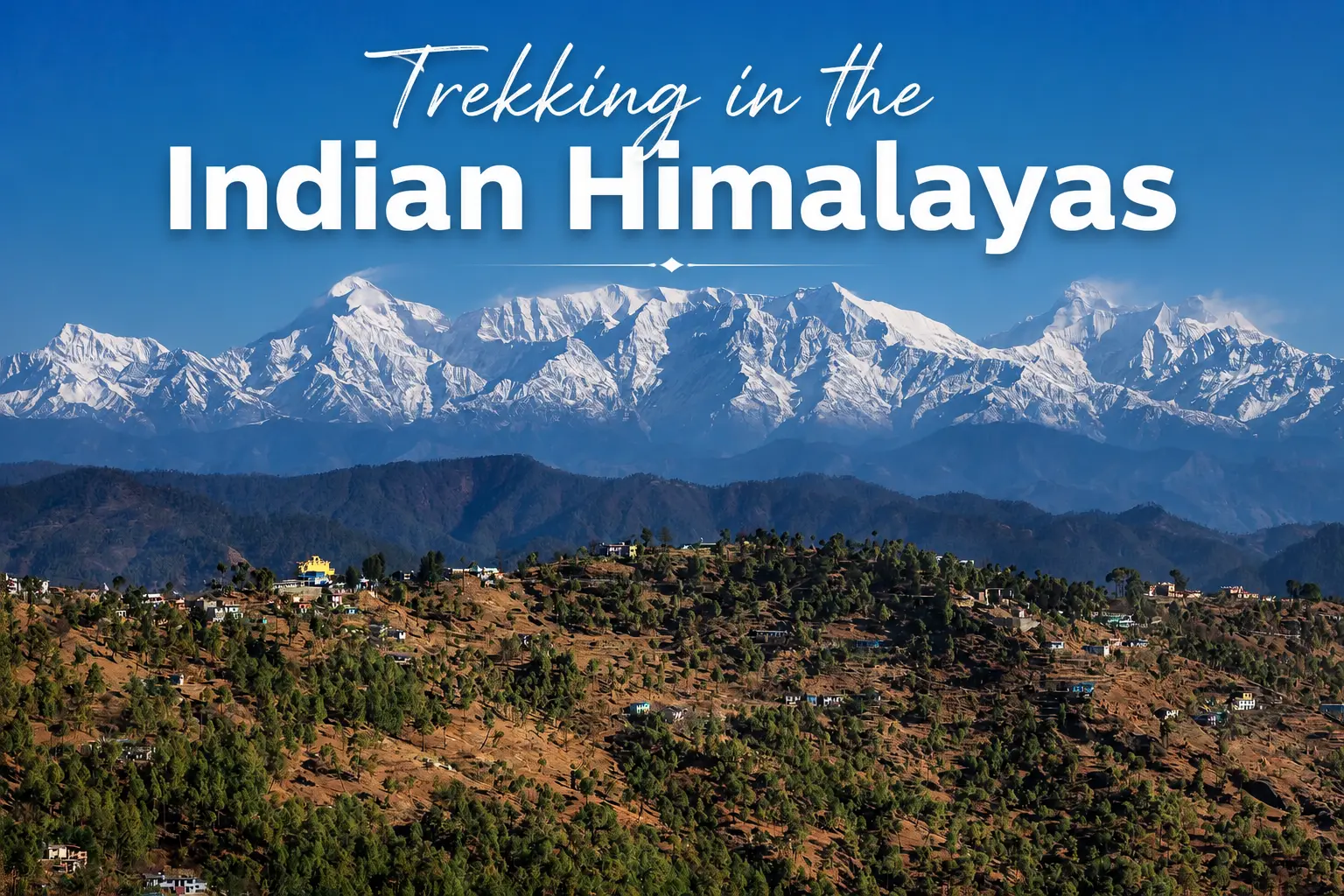
Imagine waking up to snow-covered peaks glowing in the first rays of the sun, breathing crisp mountain air, and walking through forests, alpine meadows, and charming Himalayan villages. That experience is exactly why Trekking in the Indian Himalayas has become one of the most popular outdoor adventures for beginners and experienced travelers alike.
The good news is that you don’t need to be an athlete or an experienced mountaineer to enjoy your first Himalayan trek. Many trails are specifically designed for first-time trekkers and require only basic fitness, proper preparation, and the willingness to explore nature. Whether you dream of seeing high-altitude lakes, walking through colorful rhododendron forests, or camping beneath thousands of stars, the Indian Himalayas offer something for every beginner.
This guide explains everything you need to know before planning your first Himalayan trek, including choosing the right trail, preparing physically, selecting essential gear, understanding mountain safety, and avoiding common beginner mistakes. By the end of this guide, you’ll feel confident enough to begin your own Himalayan adventure.
Why Trekking in the Indian Himalayas Is Perfect for Beginners
Many people believe trekking in the Himalayas is only for experienced hikers. In reality, several Himalayan trekking routes are beginner-friendly and are guided by experienced trek leaders who help participants throughout the journey.
One of the biggest advantages of Trekking in the Indian Himalayas is the incredible variety of landscapes. A single trek can take you through dense pine forests, flower-filled meadows, flowing rivers, glacier-fed streams, peaceful mountain villages, and breathtaking viewpoints. Unlike technical mountaineering, beginner treks usually involve walking on well-established trails without requiring climbing equipment or previous experience.
Another reason beginners love Himalayan trekking is the opportunity to disconnect from busy city life. Limited mobile connectivity, fresh mountain air, and peaceful surroundings create the perfect environment for relaxation while improving both physical fitness and mental well-being.
In addition to the natural beauty, trekking introduces travelers to local Himalayan culture. Meeting villagers, tasting regional cuisine, learning about mountain traditions, and staying in remote camps add meaningful experiences beyond the adventure itself.
Choosing the Right Trek for Your First Himalayan Adventure
Selecting the right trek plays a major role in ensuring an enjoyable first experience. Beginners should focus on trails that have moderate elevation gains, comfortable campsites, manageable walking distances, and professional support teams.
The best beginner treks generally last between four and seven days. This duration allows your body enough time to adjust to the changing altitude while giving you an authentic Himalayan experience without becoming physically overwhelming.
The ideal beginner trek should include gradual ascents rather than steep climbs. Routes with established camps, experienced guides, proper safety measures, and emergency support provide additional confidence for first-time trekkers.
The season also matters when selecting your first trek. Spring offers blooming flowers and pleasant weather, while autumn provides crystal-clear mountain views after the monsoon. Winter treks introduce beginners to snow-covered landscapes but require slightly warmer clothing and additional preparation.
Popular Beginner Himalayan Treks
| Trek | Difficulty | Duration | Best Season | Maximum Altitude |
| Kedarkantha Trek | Easy to Moderate | 5-6 Days | Winter | 12,500 ft |
| Dayara Bugyal Trek | Easy | 4-5 Days | Spring & Winter | 12,100 ft |
| Nag Tibba Trek | Easy | 2-3 Days | Year-round | 9,915 ft |
| Brahmatal Trek | Easy to Moderate | 6 Days | Winter | 12,250 ft |
| Beas Kund Trek | Easy | 4 Days | Summer | 12,770 ft |
Each of these treks offers spectacular scenery while remaining suitable for individuals with little or no trekking experience.
How Fit Do You Need to Be Before Trekking in the Indian Himalayas?
One of the most common concerns among beginners is whether they are physically fit enough for a Himalayan trek. Fortunately, you don’t need professional athletic training to enjoy your first trekking experience.
Good cardiovascular fitness is far more important than extreme strength. Since you’ll be walking for several hours each day, your body should be prepared for sustained movement over uneven terrain. Regular walking, jogging, cycling, or swimming for a few weeks before your trek significantly improves stamina.
Ideally, beginners should begin preparing at least six weeks before departure. Gradually increasing the duration of daily walks while adding stair climbing exercises helps strengthen leg muscles used during uphill climbs. Light bodyweight exercises such as squats, lunges, planks, and step-ups improve balance and endurance without requiring gym equipment.
Flexibility exercises and stretching reduce muscle soreness after long trekking days. Maintaining proper hydration and following a balanced diet during your training period also contribute to better performance in the mountains.
Most beginner trekking companies recommend being able to comfortably walk five to seven kilometers without excessive fatigue before attempting your first Himalayan trek.
Essential Gear for Trekking in the Indian Himalayas
Having the right equipment makes your trekking experience significantly more comfortable. Beginners often make the mistake of overpacking, but carrying unnecessary weight quickly becomes exhausting at higher altitudes.
Layering clothing is the most effective way to stay comfortable because mountain weather changes rapidly throughout the day. A moisture-wicking base layer helps keep sweat away from your body, while an insulating fleece or down jacket provides warmth during cold evenings. A waterproof outer shell protects against rain, wind, and snowfall.
Proper trekking shoes deserve the highest priority. Comfortable, well-fitted hiking boots with excellent grip reduce the risk of slipping on rocky or muddy trails. New shoes should always be broken in before the trek to prevent painful blisters.
A quality backpack with padded shoulder straps distributes weight evenly and reduces strain during long walking hours. Reusable water bottles, trekking poles, sunglasses with UV protection, sunscreen, gloves, woolen socks, and a headlamp are also valuable additions for most Himalayan treks.
Beginner Trekking Gear Checklist
| Item | Purpose |
| Trekking Shoes | Stability and grip on uneven trails |
| Backpack (40-50L) | Carry essential clothing and supplies |
| Thermal Layers | Retain body heat in cold weather |
| Waterproof Jacket | Protection from rain and wind |
| Trekking Poles | Reduce stress on knees during descents |
| Wool Socks | Prevent blisters and keep feet warm |
| Water Bottle | Maintain hydration throughout the trek |
| Sunglasses | Protect eyes from strong UV rays |
| Headlamp | Useful during early morning starts or emergencies |
| Personal First Aid Kit | Handle minor injuries and discomfort |
Investing in quality gear improves both safety and comfort, especially during your first experience in the mountains.
Understanding Altitude and Staying Safe
Altitude is one of the most important factors to understand before Trekking in the Indian Himalayas. As elevation increases, oxygen levels gradually decrease, making physical activity more demanding even for healthy individuals.
Most beginner treks are carefully designed with gradual altitude gains to reduce the likelihood of altitude sickness. Nevertheless, every trekker should recognize early symptoms such as headaches, dizziness, nausea, unusual fatigue, or shortness of breath.
The best prevention strategy is allowing your body enough time to acclimatize naturally. Walking at a steady pace, drinking plenty of water, avoiding alcohol before and during the trek, and consuming nutritious meals all help your body adapt more effectively.
Experienced trek leaders continuously monitor participants for signs of altitude-related illness and make informed decisions about rest, descent, or medical attention whenever necessary. Listening to your guide and avoiding unnecessary exertion significantly contributes to a safe trekking experience.
For beginners, understanding altitude is not about creating fear—it is about preparing responsibly and respecting the mountains.
Best Time for a Himalayan Trek
The experience of Trekking in the Indian Himalayas changes significantly with the seasons, making it important to choose the right time based on your preferences and comfort level. Each season offers unique landscapes, weather conditions, and trekking opportunities.
Spring, from March to May, is one of the most popular seasons for beginners. Snow begins to melt at lower elevations, wildflowers bloom across the meadows, and daytime temperatures remain comfortable for long walks. This season is ideal for those who want pleasant weather and vibrant scenery.
Summer, from May to June, provides access to higher-altitude trekking routes that remain inaccessible during winter. The days are generally warm, while nights can still be cold, especially at higher campsites.
The post-monsoon season from September to November is widely considered the best time for first-time trekkers. The skies are usually clear, offering spectacular views of snow-covered Himalayan peaks. The trails are fresh after the rains, and visibility is often at its best.
Winter transforms many trekking routes into snowy wonderlands. Treks such as Kedarkantha and Brahmatal become especially popular during this season. While winter trekking requires warmer clothing and preparation for lower temperatures, many beginner-friendly winter treks remain accessible with experienced guides.
Seasonal Comparison for Beginners
| Season | Weather | Trail Conditions | Suitable for Beginners |
| Spring | Pleasant and cool | Flowers, green forests | Excellent |
| Summer | Mild days, cool nights | Higher trails open | Very Good |
| Monsoon | Heavy rainfall | Slippery trails | Generally Not Recommended |
| Autumn | Clear skies and stable weather | Excellent visibility | Best Choice |
| Winter | Cold with snowfall | Snow-covered trails | Good with proper preparation |
Choosing the right season not only improves comfort but also enhances safety and allows beginners to enjoy the breathtaking beauty of the Himalayas.
Food, Accommodation, and Daily Trek Routine
Many first-time trekkers wonder what daily life looks like on a Himalayan trek. Most organized treks follow a structured routine that balances walking, meals, rest, and acclimatization.
The day usually begins early with a warm breakfast before setting out on the trail. Trekkers walk for several hours, taking regular breaks for water, snacks, and photography. Lunch may be served along the trail or at the next campsite, depending on the itinerary.
Accommodation varies based on the trek. Some routes include comfortable guesthouses or homestays in mountain villages, while others involve camping in tents surrounded by stunning Himalayan landscapes. Campsites are generally selected for safety, accessibility, and scenic beauty.
Meals during the trek are simple yet nutritious. Freshly prepared dishes often include rice, lentils, vegetables, chapati, soups, pasta, porridge, and seasonal fruits. Trek organizers focus on providing high-energy meals that help maintain stamina throughout the journey.
Staying hydrated is equally important. Drinking sufficient water throughout the day supports acclimatization and reduces fatigue, making the overall trekking experience more enjoyable.
Common Mistakes First-Time Trekkers Should Avoid
Every beginner learns valuable lessons during their first trek, but avoiding a few common mistakes can make the experience much smoother.
Many first-time trekkers start walking too quickly, only to become exhausted within the first few hours. Maintaining a slow, steady pace conserves energy and helps your body adjust to changing elevations. The goal is consistency rather than speed.
Packing unnecessary items is another frequent mistake. Heavy backpacks place additional strain on your shoulders, knees, and lower back. Carrying only essential clothing and equipment makes daily walking far more comfortable.
Ignoring hydration can also lead to headaches, fatigue, and slower recovery. Even when the weather feels cold, your body continues to lose fluids through physical activity. Regular water intake is essential throughout the trek.
Some beginners underestimate mountain weather and fail to carry proper layers. Conditions can change rapidly, with sunshine turning into rain or cold winds within a short period. Wearing layered clothing allows you to adapt quickly without discomfort.
Finally, many people overlook the importance of listening to their guides. Professional trek leaders understand trail conditions, weather changes, and altitude-related risks. Following their instructions greatly improves both safety and enjoyment.
Responsible Trekking in the Himalayas
Protecting the fragile Himalayan environment is a shared responsibility for every trekker. Sustainable travel ensures these beautiful landscapes remain preserved for future generations.
Responsible trekking begins with respecting nature. Carrying reusable water bottles, minimizing plastic waste, and disposing of litter properly help reduce environmental impact. Many trekking organizations encourage participants to carry back all non-biodegradable waste rather than leaving anything on the trail.
Respect for local communities is equally important. Purchasing local products, staying in community-operated accommodations, and appreciating regional customs contribute positively to mountain economies while creating meaningful cultural experiences.
Wildlife should always be observed from a distance without disturbing natural habitats. Staying on designated trails prevents unnecessary damage to fragile alpine vegetation and reduces soil erosion.
Practicing responsible tourism enhances the trekking experience while helping preserve the incredible beauty of the Indian Himalayas.
Follow us on Instagram | Facebook
Final Thoughts
Your first experience with Trekking in the Indian Himalayas can be one of the most rewarding adventures of your life. You do not need previous trekking experience, expensive equipment, or exceptional athletic ability to begin exploring these magnificent mountains. What you truly need is careful preparation, realistic expectations, quality guidance, and a willingness to embrace nature.
By selecting a beginner-friendly route, improving your fitness beforehand, carrying appropriate gear, understanding altitude safety, and respecting the mountain environment, you can confidently enjoy your first Himalayan trek.
Every experienced trekker once stood at the beginning of the trail with the same questions and uncertainties. The first step may seem challenging, but each kilometer reveals unforgettable landscapes, personal achievements, and memories that last a lifetime. Whether you choose a peaceful meadow trek or a snow-covered winter adventure, the Indian Himalayas welcome beginners with experiences that are as inspiring as they are unforgettable.
Frequently Asked Questions
1. Is Trekking in the Indian Himalayas suitable for beginners?
Yes. Many Himalayan trekking routes are specifically designed for beginners and require no previous trekking experience. With basic fitness, proper preparation, and guidance from experienced trek leaders, first-time trekkers can safely complete several popular routes.
2. How fit should I be before my first Himalayan trek?
You should be able to comfortably walk 5–7 kilometers and climb stairs without significant difficulty. Preparing with regular walking, light strength training, and cardio exercises for four to six weeks before your trek is generally sufficient.
3. Which is the easiest Himalayan trek for beginners?
Nag Tibba, Dayara Bugyal, Kedarkantha, and Beas Kund are among the most beginner-friendly treks because they offer manageable distances, gradual ascents, and excellent scenic rewards.
4. What should I pack for my first Himalayan trek?
Essential items include trekking shoes, warm layered clothing, a waterproof jacket, a backpack, reusable water bottles, sunscreen, sunglasses, wool socks, gloves, a headlamp, and a personal first-aid kit. Packing light while carrying only the essentials makes trekking more comfortable.
5. When is the best time for Trekking in the Indian Himalayas?
For most beginners, spring (March to May) and autumn (September to November) offer the best weather, clear mountain views, and comfortable trekking conditions. Winter is also suitable for selected beginner-friendly snow treks.
6. Is altitude sickness common during beginner treks?
Most beginner treks follow gradual ascent profiles, reducing the risk of altitude sickness. Staying hydrated, walking at a steady pace, eating nutritious meals, and following your trek leader’s advice are the best ways to minimize the chances of altitude-related issues.
7. Can I go trekking alone as a beginner?
While solo trekking is possible on certain routes, joining an organized trekking group is highly recommended for beginners. Guided treks provide experienced leaders, logistical support, emergency assistance, and a safer overall experience.