Black Peak Trek 2026: Detailed Itinerary, Altitude, Fitness & Cost
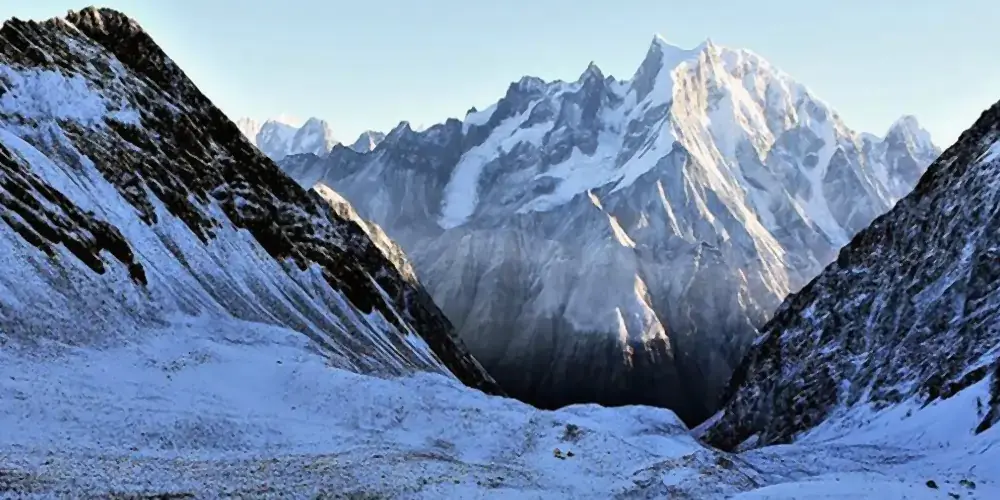
The Black Peak Trek 2026 is one of the most demanding and rewarding mountaineering journeys in the Indian Himalayas. Popularly known as the Kalanag expedition, this high-altitude climb takes adventurers deep into the remote Garhwal Himalayas of Uttarakhand, where glaciers, alpine valleys, snow slopes, and technical summit sections create a true expedition experience. Rising to an impressive altitude of 6,387 meters (20,955 ft), Black Peak gets its name from the dark summit ridge that resembles the hood of a black cobra.
For trekkers and climbers planning the Black Peak expedition 2026, the mountain offers the perfect transition from high-altitude trekking into Himalayan mountaineering. Unlike commercial trekking trails, the Black Peak Kalanag expedition involves glacier crossings, summit camps, rope sections, and long climbing days that test endurance, acclimatization, and mental strength. This guide covers the complete itinerary, altitude profile, fitness requirements, best season, route details, and the expected Black Peak expedition cost for 2026.
Why the Black Peak Expedition is Special
The Black Peak expedition, Uttarakhand is considered one of the finest 6000-meter climbing experiences in India because it combines scenic trekking with real mountaineering terrain. The route passes through ancient Himalayan villages, dense forests, river valleys, and glacial landscapes before reaching the summit slopes of Kalanag.
One of the most remarkable aspects of the Kalanag Peak expedition is the approach through the famous Har Ki Dun and Ruinsara Valley region. Trekkers move gradually from green alpine meadows into rugged moraine zones surrounded by towering Himalayan peaks. The dramatic transition in landscape makes the expedition visually stunning from start to finish.
The summit itself offers breathtaking panoramic views of Swargarohini, Bandarpoonch, and other peaks of the Garhwal Himalayas. Climbers often describe summit morning on Black Peak as one of the most unforgettable experiences in Indian mountaineering.
Black Peak Expedition 2026 Overview
According to the official itinerary published by Shikhar Travels, the Black Peak expedition 2026 is organized as a 19-day Himalayan climbing program beginning from Delhi and moving toward Dehradun, Sankri, Taluka, Osla, Ruinsara Tal, and Kyarkoti Base Camp before the summit push.
The expedition is usually conducted during May, June, September, and October, which are considered the best climbing windows due to relatively stable weather and safer summit conditions.
The journey is ideal for experienced trekkers who want to attempt their first Himalayan peak above 6000 meters under guided expedition support.
Detailed Black Peak Trek Itinerary
Day 1: Arrival in Delhi
The expedition begins with arrival in Delhi where climbers meet the expedition team and prepare for the journey ahead. Most climbers use this day for equipment checks and rest before the mountain approach begins.
Day 2: Delhi to Dehradun
After breakfast, participants attend the expedition briefing at the Indian Mountaineering Foundation before driving to Dehradun. This briefing is an important part of the official expedition process because it covers permits, climbing protocols, and mountain safety.
Day 3: Dehradun to Sankri
The road journey from Dehradun to Sankri takes approximately seven hours and passes through scenic mountain roads, pine forests, and remote villages. Sankri is the main gateway for several major treks and expeditions in Uttarakhand.
Day 4: Sankri to Taluka and Trek to Osla
After driving to Taluka village, the trekking section officially begins. The trail follows the Supin River through forests and traditional Himalayan settlements before reaching Osla village at around 2,550 meters.
Osla is one of the most culturally rich villages in the region and offers a beautiful glimpse into traditional Himalayan life.
Day 5: Osla to Ruinsara Tal
The trek toward Ruinsara Tal is among the most scenic stages of the entire Black Peak Trek. The route gradually climbs through meadows, riverside trails, and open valleys before reaching the stunning alpine lake at approximately 3,120 meters.
Ruinsara Tal acts as a major acclimatization point during the expedition and provides incredible views of surrounding Himalayan ranges.
Day 6: Ruinsara Tal to Kyarkoti Base Camp
Trekkers continue toward Kyarkoti, which serves as the official base camp for the Kalanag expedition. Located at an altitude of around 4,045 meters, Kyarkoti becomes the operational center for climbing activities, acclimatization, and summit planning.
The terrain becomes significantly more rugged as trekkers move into glacial valleys and moraine sections.
Day 7 to Day 14: Climbing Period on Black Peak
The official itinerary allocates eight days for summit preparation and climbing activities on Black Peak. These days are reserved for acclimatization rotations, route opening, fixed rope installation, load ferrying, summit camp establishment, and the final summit push.
During this phase, climbers use technical equipment such as crampons, ropes, harnesses, and ice axes while navigating glaciers and snow slopes. Summit day generally begins during midnight hours to ensure stable snow conditions during ascent.
The summit section of the Black Peak expedition is physically demanding due to altitude, steep gradients, and harsh weather exposure. However, reaching the summit of Kalanag remains a major achievement for climbers attempting their first Himalayan expedition peak.
Day 15 to Day 19: Descent and Return Journey
After completing the climb, teams descend back to Ruinsara Tal, Sankri, Dehradun, and finally Delhi. The return route follows the same trail through the beautiful Har Ki Dun valley region.
The descent period is equally important because fatigue and changing weather conditions can affect climbers after summit success.
Black Peak Trek Altitude and Difficulty Level
The summit altitude of Black Peak stands at approximately 6,387 meters, making it one of the highest trekking-style mountaineering expeditions in India.
The expedition is categorized as challenging due to several factors including:
- High altitude exposure above 6000 meters
- Glacier movement and snow slopes
- Technical climbing sections
- Long summit pushes
- Cold temperatures and unpredictable weather
- Physical endurance requirements
Although the Black Peak Kalanag expedition is often considered suitable for beginner mountaineers, it should not be mistaken for a simple trek. Previous high-altitude trekking experience is strongly recommended before attempting this expedition.
Fitness Required for Black Peak Expedition 2026
Physical preparation is one of the most important aspects of the Black Peak Trek 2026. Climbers must possess strong cardiovascular endurance, leg strength, and mental resilience to handle long trekking days and summit climbs.
Many expedition operators recommend that participants should comfortably run 5 kilometers within 30 to 35 minutes before joining the climb.
Training should ideally begin at least three to four months before the expedition and include:
- Long-distance running
- Stair climbing with backpack weight
- Strength training for legs and core
- Hiking on uneven terrain
- Breathing and endurance exercises
Previous experience on Himalayan treks above 4,500 meters significantly improves acclimatization and summit success rates.
Best Time for Black Peak Expedition
The best months for the Black Peak Trek 2026 are May, June, September, and October.
Pre-monsoon expeditions generally have more snow coverage, which makes glacier travel smoother but physically harder. Post-monsoon climbs offer clearer skies and better mountain visibility, although colder summit temperatures are common.
The monsoon season is typically avoided due to landslides, unstable weather, and unsafe trail conditions.
Black Peak Expedition Cost in 2026
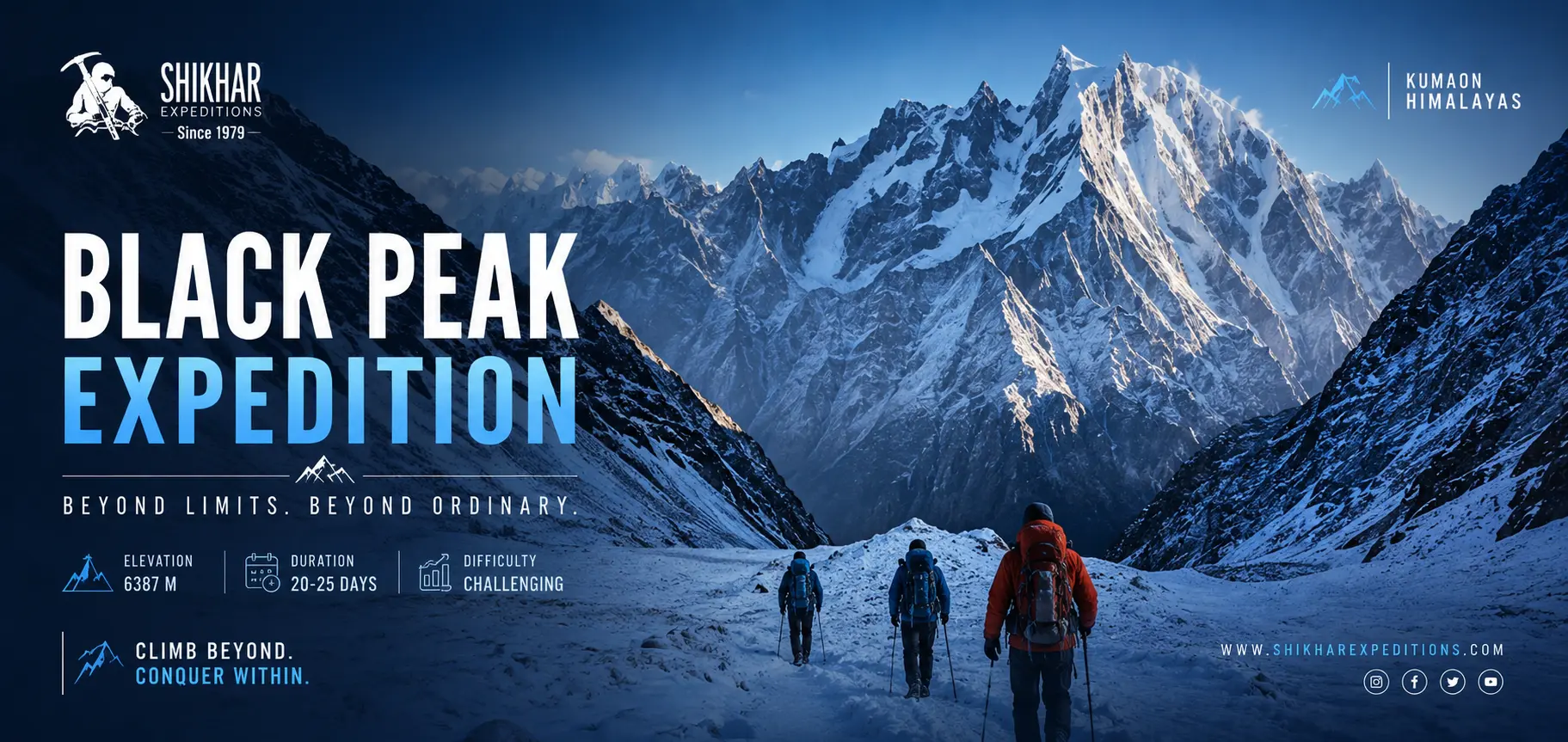
The official Black Peak expedition cost listed by Shikhar Travels for 2026 is approximately USD 3450.
The package generally includes permits, accommodation, transportation, meals, base camp logistics, climbing guides, high-altitude support staff, rope fixing, technical climbing equipment for group use, and emergency oxygen support.
However, personal climbing equipment, insurance, private porters, and personal expenses are usually excluded from the package cost.
When comparing operators for the Black Peak expedition 2026, climbers should prioritize expedition safety, experienced guides, acclimatization schedules, rescue planning, and logistical support rather than choosing purely on lower pricing.
Essential Gear for Black Peak Trek
Since the expedition involves glacier and snow climbing, proper mountaineering gear is essential. Climbers require insulated clothing, mountaineering boots, crampons, ice axes, harnesses, helmets, gloves, UV sunglasses, and high-quality sleeping systems.
Weather conditions on Black Peak can change rapidly, especially near summit camp, where temperatures can drop far below freezing during the night.
Investing in reliable high-altitude gear improves both safety and comfort throughout the expedition.
Is the Kalanag Expedition Suitable for Beginners?
The Kalanag Peak expedition is suitable for trekkers who already have experience on difficult Himalayan treks and want to transition into technical mountaineering. Absolute beginners without prior trekking experience should first complete high-altitude treks before attempting Black Peak.
Many climbers consider Black Peak an ideal introduction to Himalayan expedition climbing because it teaches glacier travel, rope techniques, altitude management, and snow climbing under professional supervision.
Final Thoughts on Black Peak Trek 2026
The Black Peak Trek 2026 is not just another Himalayan adventure; it is a complete mountaineering experience that pushes climbers physically and mentally while rewarding them with some of the most spectacular landscapes in Uttarakhand. From the cultural trails of Osla village to the glacial terrain near Kyarkoti Base Camp, every stage of the expedition feels immersive and unforgettable.
For trekkers searching for a serious Himalayan challenge, the Black Peak expedition, Uttarakhand stands among India’s most iconic 6000-meter climbs. With proper training, acclimatization, and guidance, the summit of Kalanag becomes an extraordinary milestone in any mountaineer’s journey.
Frequently Asked Questions
What is the height of Black Peak?
Black Peak, also known as Kalanag Peak, stands at an altitude of approximately 6,387 meters (20,955 ft) in the Garhwal Himalayas of Uttarakhand.
Is the Black Peak Trek difficult?
Yes, the Black Peak Trek is considered a challenging high-altitude expedition. It involves glacier crossings, snow climbing, steep summit sections, and long trekking days, making it suitable for experienced trekkers and beginner mountaineers.
Where is Black Peak located?
Black Peak is located in the Govind Wildlife Sanctuary of Uttarkashi district in Uttarakhand, India. The expedition route passes through Sankri, Osla, Ruinsara Tal, and Kyarkoti Base Camp.
Why is Black Peak called Kalanag?
The mountain is called Kalanag because the black ridge near its summit resembles the hood of a cobra. “Kalanag” translates to “Black Cobra” in Hindi.
What is the best time for the Black Peak expedition?
The best months for the Black Peak expedition are May, June, September, and October when weather conditions are relatively stable and suitable for climbing.
How long is the Black Peak expedition?
The complete Black Peak expedition usually takes around 18 to 19 days, including travel, acclimatization, summit climb, and return journey.
What is the Black Peak expedition cost in 2026?
The average Black Peak expedition cost for 2026 ranges between INR 2.5 lakh to INR 3 lakh or around USD 3450 depending on the operator, inclusions, permits, and logistics.
Is prior trekking experience required for Black Peak?
Yes, prior high-altitude trekking experience is strongly recommended before attempting the Black Peak Kalanag expedition. Trekkers should ideally have completed difficult Himalayan treks above 4,500 meters.
What fitness level is needed for Black Peak Trek?
Participants should have strong cardiovascular endurance and stamina. Regular running, stair climbing, strength training, and endurance workouts are highly recommended before joining the expedition.
Is Black Peak suitable for beginners?
Black Peak is not suitable for complete beginners with no trekking background. However, experienced trekkers looking to enter Himalayan mountaineering can attempt the expedition with professional guidance.