Elbrus Mountain vs Mont Blanc: Which Is Europe’s True Highest Peak?
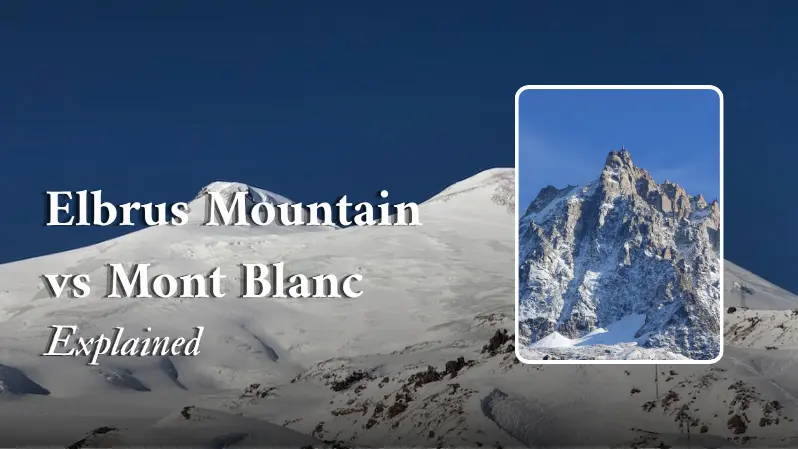
For decades, mountaineers, trekkers, and geography enthusiasts have debated a fascinating question: which mountain truly deserves the title of Europe’s highest peak? Many people immediately think of Mont Blanc, the iconic summit towering over the Alps between France and Italy. However, others argue that the crown belongs to elbrus mountain, a massive volcanic giant located in the Caucasus region of Russia.
The answer depends largely on where one chooses to draw the boundary between Europe and Asia. Yet from a geographical perspective accepted by most modern authorities, Mount Elbrus Europe is recognized as the highest mountain on the continent. This distinction has made Elbrus one of the most sought-after summits in the world and an essential challenge for climbers pursuing the prestigious Seven Summits list.
In this article, we compare Elbrus and Mont Blanc in detail, exploring their geography, height, climbing challenges, history, and why the debate continues to capture the imagination of adventurers worldwide.
Understanding the Europe-Asia Boundary
Before comparing the mountains themselves, it is important to understand why there is even a debate.
Unlike continents separated by oceans, Europe and Asia form a single landmass known as Eurasia. The boundary between the two continents is largely cultural and geographical rather than strictly physical. Most modern geographical definitions place the continental divide along the Ural Mountains, the Ural River, the Caspian Sea, and the Caucasus region.
If the main Caucasus range is considered part of Europe, then elbrus mountain falls on the European side of the divide. In that case, Elbrus becomes Europe’s highest peak. If the Caucasus is considered part of Asia, then Mont Blanc would take the title.
Today, most international mountaineering organizations, including those associated with the Seven Summits challenge, recognize Mount Elbrus as Europe’s highest mountain.
Elbrus Mountain: Europe’s Volcanic Giant
Located in southwestern Russia near the border with Georgia, elbrus mountain rises dramatically above the Caucasus Mountains. It is a dormant volcano with two distinct summits. The western summit stands at 5,642 meters (18,510 feet), making it the highest point in Europe according to the widely accepted continental definition.
The mountain’s immense snow-covered dome dominates the surrounding landscape and can be seen from hundreds of kilometers away on clear days. Despite being a volcano, Elbrus has not experienced significant volcanic activity in recorded history and is considered dormant.
One of the reasons climbers are drawn to Elbrus is its role in the Seven Summits challenge. Successfully reaching its summit means standing on the highest point of Europe, a milestone that attracts adventurers from across the globe.
Key Facts About Elbrus Mountain
- Height: 5,642 meters (18,510 feet)
- Location: Caucasus Mountains, Russia
- Type: Dormant volcano
- Highest point in Europe
- Part of the Seven Summits challenge
- Features two summits, with the western summit being higher
Mont Blanc: The Icon of the Alps
Mont Blanc, whose name translates to “White Mountain,” stands at 4,805 meters (15,766 feet) and forms part of the Alps on the border of France and Italy. It is the highest mountain in Western Europe and one of the most famous peaks in the world.
For centuries, Mont Blanc has symbolized alpine exploration. The first successful ascent in 1786 is often regarded as the birth of modern mountaineering. Today, thousands of climbers attempt its summit each year, drawn by its dramatic glaciers, breathtaking scenery, and rich climbing heritage.
While lower than Elbrus, Mont Blanc presents a different kind of challenge. Alpine conditions, rapidly changing weather, crevasses, and technical terrain demand respect from even experienced climbers.
Key Facts About Mont Blanc
- Height: Approximately 4,805 meters (15,766 feet)
- Location: France–Italy border
- Mountain range: Alps
- Highest peak in Western Europe
- Birthplace of modern mountaineering
- Popular destination for alpine climbers
Height Comparison: Elbrus vs Mont Blanc
When comparing elevation alone, the numbers tell a clear story.
Elbrus Mountain: 5,642 meters
Mont Blanc: 4,805 meters
The difference is approximately 837 meters, or nearly 2,750 feet. This substantial height advantage is the primary reason why most geographical and mountaineering authorities recognize Mount Elbrus Europe as the continent’s highest peak.
Standing on the summit of Elbrus means reaching a significantly greater elevation than standing on Mont Blanc.
Why Is Elbrus Mountain Europe’s Highest Peak?
The title comes down to continental geography.
Most modern maps place the Europe-Asia boundary along the crest of the Greater Caucasus range. Because Elbrus lies north of this divide, it is classified within Europe. Under this definition, Mount Elbrus Europe becomes the highest mountain on the continent.
Organizations that support this classification include:
- International mountaineering communities
- Seven Summits organizations
- Most modern atlases and geographical references
- Adventure travel and expedition companies
As a result, climbers aiming to stand on the highest summit of each continent almost universally choose Elbrus as their European objective.
Climbing Difficulty: Which Mountain Is Harder?
Many people assume that because Elbrus is higher, it must also be more difficult to climb. Surprisingly, that is not always the case.
Climbing Elbrus Mountain
The standard south route on elbrus mountain is considered non-technical under good conditions. Climbers typically use established camps, snowcats, and acclimatization schedules to increase their chances of success.
The primary challenges include:
- High altitude
- Extreme cold
- Strong winds
- Snow and whiteout conditions
- Physical endurance
Technical climbing skills are generally not required on the standard route, making it accessible to fit trekkers with proper preparation.
Climbing Mont Blanc
Mont Blanc presents a more technical alpine challenge. Climbers must often navigate:
- Glaciers
- Crevasses
- Rockfall zones
- Steep snow slopes
- Mixed terrain
Although Mont Blanc is lower, the route demands greater mountaineering skills and experience. Many guides consider Mont Blanc technically more challenging than the standard ascent of Elbrus.
Weather and Mountain Conditions
Weather plays a critical role on both mountains.
Elbrus Mountain Weather
The Caucasus is known for sudden weather changes. Temperatures near the summit can plunge far below freezing, even during summer. High winds and poor visibility frequently force climbers to turn back.
The climbing season generally runs from June through September.
Mont Blanc Weather
The Alps experience equally unpredictable conditions. Afternoon storms, snowfall, and rockfall hazards can develop rapidly. Climbers often begin summit attempts before dawn to reduce exposure to objective dangers.
The best climbing window typically falls between June and September, although conditions vary annually.
Scenic Beauty: Which Mountain Offers Better Views?
Choosing between the scenery of Elbrus and Mont Blanc is largely subjective.
Elbrus Mountain Landscape
The views from Elbrus are vast and wild. Climbers can gaze across the rugged Caucasus Mountains, seemingly endless glaciers, and isolated valleys. The environment feels remote and untamed.
Mont Blanc Landscape
Mont Blanc offers classic alpine scenery. Jagged peaks, picturesque villages, dramatic glaciers, and iconic alpine landscapes create one of the most beautiful mountain settings in the world.
Those seeking wilderness may prefer Elbrus, while lovers of traditional alpine landscapes often gravitate toward Mont Blanc.
Historical Significance of Both Peaks
Elbrus Mountain in History
Elbrus has long held cultural importance among the peoples of the Caucasus. The mountain appears in local legends and folklore dating back centuries.
Its first recorded ascent took place in the nineteenth century, and it later became an important objective for explorers and climbers.
Mont Blanc in History
Mont Blanc occupies a unique place in mountaineering history. The first ascent in 1786 by Jacques Balmat and Michel-Gabriel Paccard marked a turning point in human exploration of high mountains.
Many historians consider this achievement the beginning of modern mountaineering.
Which Peak Is More Popular Today?
Mont Blanc attracts significantly more climbers each year because of its location in the heart of Western Europe and its accessibility from major transportation hubs.
However, Elbrus continues to grow in popularity among international trekkers, especially those pursuing the Seven Summits challenge.
Reasons climbers choose Elbrus include:
- Highest point in Europe
- Seven Summits qualification
- Non-technical standard route
- High-altitude experience
- Unique Caucasus landscape
Reasons climbers choose Mont Blanc include:
- Historic significance
- Classic alpine experience
- Technical mountaineering challenge
- Spectacular scenery
- Easy access from France, Italy, and Switzerland
Elbrus Mountain and the Seven Summits Challenge
One of the biggest reasons for Elbrus’s fame is its inclusion in the Seven Summits.
The Seven Summits challenge requires climbers to ascend the highest mountain on each continent. Because the majority of mountaineering organizations recognize Mount Elbrus Europe as the continent’s highest peak, climbers attempting the challenge must summit Elbrus rather than Mont Blanc.
This distinction has transformed Elbrus into one of the world’s most sought-after expedition peaks.
The Final Verdict: Which Is Europe’s True Highest Peak?
Based on modern geographical definitions and international mountaineering standards, elbrus mountain is recognized as the highest mountain in Europe. At 5,642 meters, it stands substantially higher than Mont Blanc and occupies a place on the European side of the commonly accepted continental boundary.
Mont Blanc remains the highest mountain in Western Europe and one of the most celebrated peaks in mountaineering history. Its technical climbing routes, rich heritage, and stunning alpine setting ensure that it continues to captivate adventurers from around the world.
However, when answering the question, “Which is Europe’s true highest peak?” the majority of geographical authorities, mountaineering organizations, and Seven Summits climbers agree on the same conclusion:
Mount Elbrus Europe is the highest peak on the continent and the rightful holder of Europe’s mountain crown.
Whether you dream of standing atop the volcanic slopes of Elbrus or navigating the legendary alpine ridges of Mont Blanc, both mountains offer unforgettable experiences and represent some of the finest climbing objectives in the world.
FAQs: Elbrus Mountain vs Mont Blanc
1. Is Elbrus Mountain higher than Mont Blanc?
Yes, Elbrus Mountain is higher than Mont Blanc. The summit of Elbrus reaches 5,642 meters (18,510 feet), while Mont Blanc stands at approximately 4,805 meters (15,766 feet). This makes Elbrus nearly 837 meters taller than Mont Blanc.
2. Why is Elbrus Mountain considered the highest peak in Europe?
Elbrus Mountain is considered Europe’s highest peak because it lies north of the Greater Caucasus watershed, which is widely accepted as part of the Europe-Asia continental boundary. Under this geographical definition, Mount Elbrus Europe becomes the highest mountain on the continent.
3. Where is Mount Elbrus located?
Mount Elbrus is located in the Caucasus Mountains of southern Russia, near the border with Georgia. It is a dormant volcano and one of the most prominent peaks in Eurasia.
4. Is Mont Blanc in Europe?
Yes, Mont Blanc is located in Europe on the border between France and Italy. It is the highest mountain in the Alps and Western Europe but is lower than Elbrus Mountain.
5. Which mountain is harder to climb: Elbrus or Mont Blanc?
Mont Blanc is generally considered more technically challenging than Elbrus Mountain. While Elbrus requires good fitness and altitude acclimatization, Mont Blanc involves glacier travel, crevasse crossings, and more advanced mountaineering skills.
6. Is Elbrus Mountain part of the Seven Summits?
Yes, Elbrus Mountain is included in the Seven Summits challenge as the highest peak in Europe. Climbers attempting to complete the Seven Summits must typically summit Mount Elbrus Europe to satisfy the European continent requirement.
7. What is the best time to climb Elbrus Mountain?
The best time to climb Elbrus Mountain is from June to September. During these months, weather conditions are generally more stable, snow conditions are favorable, and summit success rates are higher.
8. Can beginners climb Elbrus Mountain?
Fit beginners can climb Elbrus Mountain with proper preparation, acclimatization, and guidance. Although the standard route is non-technical, climbers must be prepared for high altitude, cold temperatures, and long summit days.