Great Rann of Kutch: The Ultimate Guide to Gujarat’s White Salt Desert
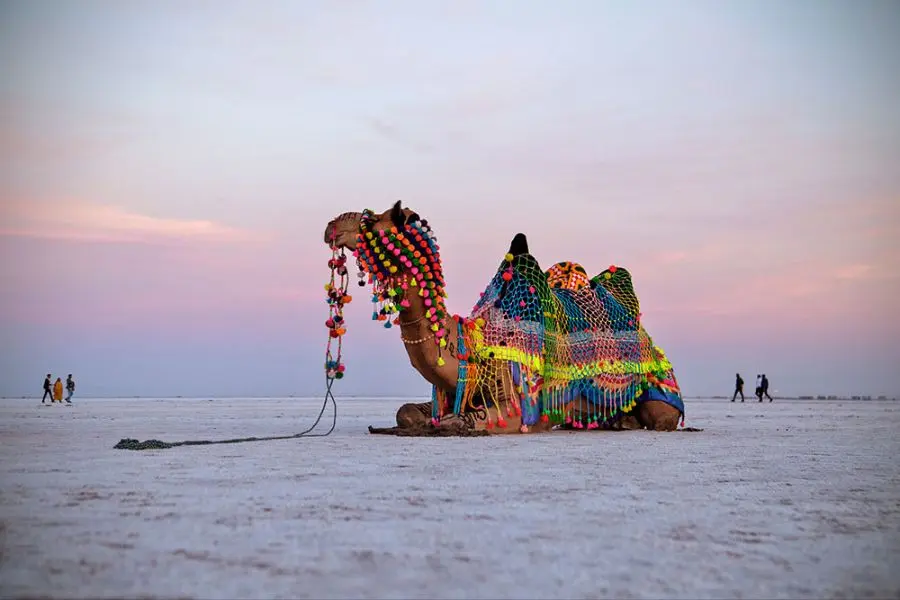 The great rann of kutch is one of India’s most extraordinary landscapes, where an endless white salt desert stretches toward the horizon and transforms dramatically with the changing light. Located in Gujarat’s Kutch region, this vast seasonal salt marsh is famous for its surreal scenery, traditional villages, handicrafts, wildlife, and the spectacular Rann Utsav.
For travelers, the great rann of kutch is more than a scenic destination. It is a cultural experience where the natural beauty of the salt desert meets Kutchi music, embroidery, food, architecture, and centuries-old traditions.
Whether you are planning your first visit, looking for the best time to travel, or wondering about the rann of kutch festival date, this guide covers everything you need to know.
What Makes the Rann of Kutch Special?
The great rann of kutch is a vast salt marsh situated in the Kutch district of Gujarat, close to the India-Pakistan border. Gujarat Tourism describes it as a dramatic expanse of cracked earth and salt flats, interspersed with water bodies and shrublands that support birds and wildlife.
Its appearance changes throughout the year. During the monsoon, parts of the Rann become flooded, while the dry season leaves behind a brilliant white salt landscape. Under the winter sun, the desert appears almost endless, making it one of Gujarat’s most recognizable natural attractions.
The landscape becomes particularly magical around a full moon, when the white salt reflects the moonlight and creates an almost otherworldly atmosphere.
Rann of Kutch and Its Unique Landscape
The great rann of kutch is technically a seasonal salt marsh rather than a conventional desert. Its unusual geography developed over thousands of years as geological changes altered the relationship between the region and the Arabian Sea.
Today, the landscape combines salt flats, shallow wetlands, grasslands, villages, and desert ecosystems. This geographical diversity is one reason Kutch is considered one of Gujarat’s most ecologically distinctive regions.
The area is also associated with flamingos and other migratory birds, while the wider Kutch region supports unique wildlife and traditional communities.
One important distinction is between the Great Rann and the Little Rann of Kutch. The Little Rann lies farther east and is particularly known for the Indian wild ass and the Wild Ass Sanctuary.
Best Time to Visit the Great Rann of Kutch
The best time to experience the great rann of kutch is generally during the cooler months, particularly from late autumn through winter. This is also when the salt desert becomes accessible and the region hosts its famous cultural celebrations.
The winter season offers comfortable conditions for sightseeing, photography, village visits, desert walks, and enjoying the white landscape.
For a particularly memorable experience, plan your visit around a full-moon night. The combination of the white salt surface, open sky, and moonlight is one of the defining experiences of the great rann of kutch.
Summer can be extremely hot, while monsoon conditions change the character of the landscape considerably.
Rann of Kutch During Rann Utsav
The Rann Utsav is the event that has made the great rann of kutch internationally famous. Organized during the winter season, the festival brings together cultural performances, handicrafts, traditional cuisine, music, dance, adventure activities, and hospitality against the backdrop of the White Rann.
Gujarat Tourism describes Rann Utsav as a celebration of Kutch’s art, crafts, music, dance, people, and natural environment.
The festival provides travelers with an opportunity to experience far more than the salt desert itself. Visitors can explore artisan villages, purchase traditional handicrafts, enjoy folk performances, and experience Kutchi culture in a festive setting.
What Can You Experience?
The festival rann of kutch is essentially a celebration of the region’s cultural identity. Traditional music and dance are central attractions, while local artisans showcase embroidery, textiles, leather products, pottery, metalwork, and other crafts.
The surrounding Banni region is particularly important for traditional architecture and handicrafts. Colorful bhungas, or traditional circular mud houses, provide another visual highlight.
Visitors can also experience local Gujarati and Kutchi food, cultural programs, camel rides, desert excursions, photography sessions, and other activities depending on the festival arrangements.
The appeal of the festival rann of kutch lies in this combination of nature and culture: the landscape provides the setting, while local communities provide the soul of the celebration.
Great Rann of Kutch and Kutchi Handicrafts
A journey to the Rann of kutch is incomplete without discovering the region’s traditional crafts.
Kutch is renowned for intricate embroidery, mirror work, tie-dye textiles, leather craftsmanship, pottery, bell-metal work, and Rogan painting. Several communities have preserved these techniques across generations.
Village visits provide an opportunity to understand how these products are created rather than simply seeing them in a shop. Buying directly from local artisans can also make your visit more meaningful by supporting traditional craftsmanship.
For travelers interested in culture, these villages can be just as memorable as the salt desert itself.
Rann Utsav: Dates and Festival Season
If you are specifically searching for the rann of kutch festival date, it is important to check the official schedule for the year you intend to travel because festival dates can change.
For the 2025–26 season, Gujarat Tourism listed Rann Utsav from 23 November 2025 to 20 February 2026, while the Tent City continued until 4 March 2026.
For the upcoming 2026–27 season, the Rann Utsav booking site currently lists the festival period as 1 November 2026 to 7 March 2027 and identifies several full-moon periods during the season.
Because dates and operational arrangements can change, travelers should verify the latest information before booking accommodation or transportation.
Great Rann of Kutch Rann Utsav: When Should You Go?
Choosing when to visit the great rann of kutch rann utsav depends on the type of experience you want.
If your priority is the most atmospheric desert experience, a full-moon period can be particularly appealing. If you prefer a quieter trip, consider dates outside peak holiday periods.
December and January are popular because of the pleasant winter weather and festive atmosphere. However, peak dates can also bring higher demand for accommodation.
The great rann of Kutch rann utsav experience can be planned as a short weekend trip from Bhuj or as part of a longer Gujarat itinerary covering Ahmedabad, Bhuj, Mandvi, Dholavira, and other destinations.
How to Reach the Great Rann of Kutch
The most common gateway for visiting the great rann of Kutch is Bhuj.
Bhuj is connected by air, rail, and road with major Indian cities. From Bhuj, travelers can continue toward Dhordo and the White Rann by road.
Dhordo is particularly significant because it serves as the principal festival destination and the base for many Rann Utsav experiences.
Travelers should also remember that access to the White Rann involves an entry permit. Gujarat Tourism directs visitors to the official online permit system for entry to the White Rann at Dhordo.
Places to Visit Near the Rann of Kutch
A trip to the rann of Kutch can easily be combined with several attractions across Kutch.
Bhuj: The cultural and logistical gateway to Kutch, ideal for museums, palaces, markets, and local experiences.
Dhordo: The principal access point for the White Rann and the heart of the Rann Utsav experience.
Banni Villages: Excellent for experiencing traditional Kutchi architecture, embroidery, textiles, and local life.
Mandvi: A coastal destination known for its beach, historic attractions, and traditional shipbuilding heritage.
Dholavira: One of the most important archaeological sites of the Indus Valley Civilization and a fascinating addition to a Kutch itinerary.
Lakhpat: A historic fortified settlement offering a completely different perspective on the region’s history and landscape.
Gujarat Tourism also identifies Bhuj, Mandvi, Dholavira, Narayan Sarovar, and Lakhpat among destinations near the Rann Utsav circuit.
Rann of Kutch Travel Tips
Before visiting the rann of Kutch, a little planning can significantly improve the experience.
Carry warm clothing during winter evenings because temperatures can drop after sunset. Comfortable footwear is useful for walking on uneven salt surfaces, while sunglasses and sunscreen are important during daytime.
Book accommodation early if you are traveling during Rann Utsav, particularly around Christmas, New Year, weekends, and full-moon periods.
Keep your entry permit and identification documents accessible, and check the latest access regulations before leaving for Dhordo.
Most importantly, avoid treating the Rann simply as a photo stop. Spend time in the villages, meet artisans, taste local food, and experience the cultural side of Kutch.
Why the Rann of Kutch Should Be on Your Travel List
The rann of Kutch offers something few destinations can replicate: an immense natural landscape combined with a living cultural tradition.
At sunrise, the salt desert feels calm and almost limitless. By evening, the landscape changes color, and after sunset, the sky becomes the main attraction. During Rann Utsav, the surrounding region comes alive with music, dance, crafts, food, and celebrations.
That contrast is what makes the destination so compelling.
The great rann of Kutch is not simply a place to visit. It is a place to experience through its landscape, people, traditions, crafts, food, and unforgettable winter nights.
Follow Us & Travel With Us
Get travel inspiration, exciting destinations, tour updates & special offers.
Frequently Asked Questions
What is the Rann of Kutch?
The great rann of kutch is a vast seasonal salt marsh in Gujarat’s Kutch district. It is famous for its white salt landscape, distinctive ecology, traditional villages, handicrafts, and the annual Rann Utsav.
Where is the Rann of Kutch located?
The great rann of kutch is located in the Kutch district of Gujarat, near the India-Pakistan border. Dhordo is one of the main gateways for visiting the White Rann.
What is the best time to visit the Rann of Kutch?
The best time to visit the rann of kutch is generally during the cooler months, particularly from November through February or early March, when the White Rann and Rann Utsav are accessible.
What is the Rann Utsav?
Rann Utsav is a major cultural festival celebrating the art, crafts, music, dance, food, and traditions of Kutch against the backdrop of the White Rann. Gujarat Tourism describes it as a major winter cultural celebration in the region.
What is the rann of kutch festival date for 2026–27?
For 2026–27, the current Rann Utsav booking information lists the festival from 1 November 2026 to 7 March 2027. Travelers should verify dates and arrangements before making final bookings.
What is the Rann of Kutch Rann Utsav famous for?
The Rann of Kutch Rann Utsav is famous for its white salt desert, folk music and dance, Kutchi handicrafts, traditional food, cultural performances, village experiences, and full-moon views.
Is the Great Rann of Kutch worth visiting?
Yes. The great Runn of Kutch is worth visiting for travelers interested in dramatic landscapes, photography, Indian culture, handicrafts, traditional communities, and unique desert experiences.
How many days are enough for the Rann of Kutch?
A minimum of 2–3 days is suitable for experiencing the White Rann and Rann Utsav. A 4–5 day itinerary allows more time for Bhuj, artisan villages, Mandvi, Dholavira, or other Kutch attractions.
Is a permit required for the Rann of Kutch?
Entry requirements can apply for visiting the White Rann at Dhordo. Gujarat Tourism provides an official online entry-permit route, so travelers should check the current requirements before visiting.
What is the best experience at the Rann of Kutch?
For many travelers, the most memorable experience is watching sunset or a full moon over the white salt desert, followed by experiencing Kutchi music, food, crafts, and cultural performances during Rann Utsav.