Hiking to the Summit: Exploring the Best Mount Kosciuszko Routes
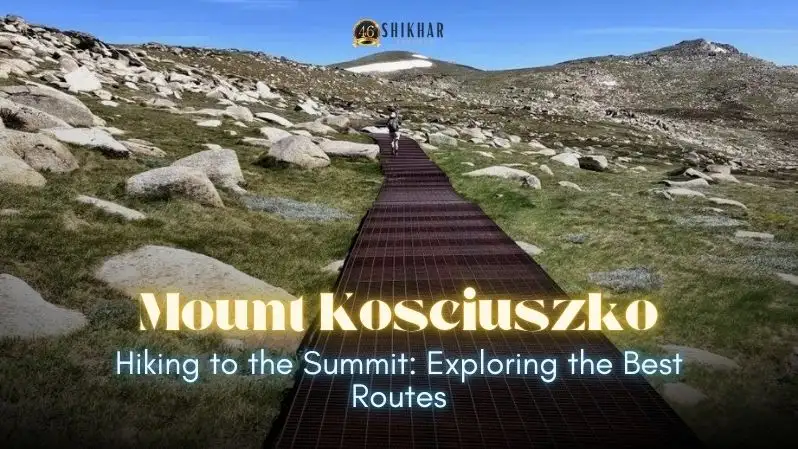
Mount Kosciuszko Routes: Reaching the summit of Australia’s highest mountain is an unforgettable experience for hikers, trekkers, and outdoor enthusiasts. At 2,228 metres above sea level, Mount Kosciuszko offers a rewarding alpine adventure without requiring technical mountaineering skills during the standard hiking season.
There are several ways to approach the summit, and each route offers a different experience. From relatively easy alpine walks to longer, more challenging trails, choosing the right route depends on your fitness level, available time, weather conditions, and the kind of adventure you want.
In this guide, we explore the best Mount Kosciuszko Routes, what to expect from each trail, and how to prepare for your summit hike.
Mount Kosciuszko Routes: Choosing the Right Trail
The Kosciuszko National Park region contains several walking tracks leading toward Mount Kosciuszko. The two most commonly discussed approaches are the Thredbo to Mount Kosciuszko Summit Walk and the Charlotte Pass to Mount Kosciuszko Summit Walk.
While both eventually reach the summit, they differ considerably in distance, elevation gain, scenery, and overall hiking experience.
Understanding these differences can help you select a route that matches your ability and itinerary.
Thredbo to Mount Kosciuszko Summit
The Thredbo route is one of the most popular approaches to the summit. It provides a relatively straightforward way to reach Australia’s highest point while passing through spectacular alpine landscapes.
The trail begins at Thredbo and follows the Kosciuszko Express Chairlift area before continuing along the elevated walking track toward the summit.
One of the biggest advantages of this route is that hikers can use the chairlift to gain significant elevation before beginning the main walking section, depending on the season and operating conditions.
From the upper chairlift area, the trail continues across the alpine landscape toward Rawson Pass. From there, the final section leads toward the Mount Kosciuszko summit.
The total return distance is approximately 13 kilometres when starting from the upper chairlift area, although the exact experience can vary depending on the trail and seasonal access.
What Makes the Thredbo Route Special?
The Thredbo approach combines accessibility with impressive alpine scenery. Hikers can enjoy expansive views across the Snowy Mountains while walking along a well-established track.
On clear days, the landscape stretches across rugged ridges and broad alpine valleys, making the route particularly rewarding for photographers and first-time high-altitude hikers.
It is also a popular option for visitors who want to complete the summit without committing to a much longer full-day approach from Charlotte Pass.
Charlotte Pass to Mount Kosciuszko
Another popular option is the route from Charlotte Pass. This approach provides a longer hiking experience and allows you to explore more of the surrounding alpine environment.
The trail follows the Summit Walk toward Rawson Pass before continuing to Mount Kosciuszko.
The return journey is roughly 18.6 kilometres, making it a more demanding day hike than the standard Thredbo approach.
However, the additional distance also means more time to experience the landscape.
The route passes through areas of the Snowy Mountains that showcase Australia’s unique alpine environment, with open valleys, mountain streams, rocky terrain, and expansive views.
For hikers who prefer a longer walking adventure rather than relying on the chairlift, Charlotte Pass can be an excellent option.
Comparing the Best Mount Kosciuszko Routes
Choosing between the main approaches largely depends on how much time and effort you want to dedicate to the hike.
| Route | Approx. Return Distance | Difficulty | Best For |
|---|---|---|---|
| Thredbo Summit Walk | ~13 km | Moderate | First-time summit hikers |
| Charlotte Pass Route | ~18.6 km | Moderate | Longer hiking experience |
| Main Range Circuit | ~22 km | Moderate–Hard | Experienced hikers & scenery |
Distances can vary depending on the exact starting point, trail conditions, and route selected.
Main Range Track and Mount Kosciuszko
For hikers looking for a more scenic alternative, the Main Range Track provides an opportunity to experience more of the Snowy Mountains.
Rather than simply walking directly to the summit and returning along the same trail, the circuit takes hikers through a broader section of the alpine landscape.
The route can include spectacular viewpoints around Blue Lake, Hedley Tarn, and the Main Range, depending on the direction and current trail conditions.
This makes it particularly appealing to hikers who consider the journey just as important as reaching the summit.
The Main Range circuit is longer and involves more elevation changes than the straightforward summit approaches, so adequate preparation is important.
When Is the Best Time to Hike Mount Kosciuszko?
The best time for hiking Mount Kosciuszko depends heavily on weather and seasonal conditions.
During the warmer months, generally from late spring through autumn, the trails are more accessible and suitable for standard hiking.
Summer is particularly popular because alpine conditions are generally more manageable. However, weather can still change quickly at elevation.
Winter transforms the area completely.
Snow covers much of the landscape, and hiking conditions become significantly more challenging. Snowshoes, appropriate clothing, navigation skills, and winter experience may be necessary depending on conditions.
Before setting out, always check current park alerts, weather forecasts, track conditions, and access information.
What to Expect on the Summit Hike
A Mount Kosciuszko hike is not simply about reaching the highest point in Australia. The journey takes you through one of the country’s most distinctive alpine environments.
As you gain elevation, vegetation becomes increasingly sparse. The broad mountain landscape creates a sense of openness that is very different from hiking through forests or lower-altitude valleys.
The final approach to the summit is relatively straightforward under favourable conditions.
Once you reach the summit area, panoramic views across the Snowy Mountains provide the perfect reward for the effort.
On a clear day, you can spend some time appreciating the surrounding peaks and valleys before beginning the descent.
Wildlife and Alpine Landscapes
Kosciuszko National Park supports a variety of plants and animals adapted to Australia’s alpine environment.
Depending on the season and location, hikers may encounter native birds, wallabies, and other wildlife.
The alpine vegetation is also particularly interesting during warmer months when wildflowers can add colour to the landscape.
However, hikers should avoid disturbing wildlife and should remain on designated tracks wherever possible.
The alpine environment is fragile, and responsible hiking helps protect it for future visitors.
What Should You Pack for Mount Kosciuszko?
Even though Mount Kosciuszko is accessible to regular hikers, preparation is still important.
A basic hiking checklist should include:
- Comfortable hiking shoes or boots
- Plenty of drinking water
- High-energy snacks
- Weather-appropriate clothing
- Waterproof outer layer
- Sun protection
- Hat and sunglasses
- First-aid supplies
- Navigation or offline maps
- Fully charged phone
- Portable power bank
- Headlamp or torch
- Extra warm clothing
Weather conditions can change rapidly in alpine environments, so carrying additional layers is always a sensible decision.
Is Mount Kosciuszko Difficult to Climb?
Compared with many of the world’s major mountain expeditions, Mount Kosciuszko is relatively accessible.
The standard hiking routes do not require technical climbing equipment under normal summer conditions. However, that does not mean the hike should be underestimated.
Distance, elevation, weather, wind, sun exposure, and changing trail conditions can all affect the difficulty.
For beginners, maintaining a steady pace and allowing enough time for breaks can make the experience considerably more enjoyable.
Those attempting the hike during colder months should have appropriate experience and equipment for alpine conditions.
Tips for a Successful Mount Kosciuszko Hike
A little planning can make your summit experience much smoother.
Start Early
Beginning your hike early gives you plenty of daylight and allows additional time for breaks, photography, and unexpected delays.
Check the Weather
Mountain weather can change quickly. Check forecasts shortly before leaving and be prepared to modify your plans if conditions deteriorate.
Carry Enough Water
There may be limited opportunities to obtain drinking water along your chosen route, so carry an adequate supply.
Protect Yourself From the Sun
Australia’s alpine areas can have strong UV exposure even when temperatures feel comfortable. Sunscreen, sunglasses, and a hat are essential.
Stay on Marked Tracks
Sticking to established trails helps protect fragile alpine vegetation while also reducing the risk of becoming disoriented.
Respect Park Regulations
Kosciuszko National Park has specific rules designed to protect its natural environment. Check current regulations before your trip.
Mount Kosciuszko Routes for Different Types of Hikers
Not every hiker wants the same experience.
If you’re looking for a shorter and straightforward summit experience, the Thredbo approach can be a practical choice.
If you prefer a longer day hike, Charlotte Pass provides a more substantial walking experience.
For hikers primarily interested in scenery and exploration, the Main Range circuit can offer a more immersive journey through the Snowy Mountains.
Your choice should ultimately depend on your fitness, experience, weather conditions, and available time.
Follow Us & Travel With Us
Get travel inspiration, exciting destinations, tour updates & special offers.
Frequently Asked Questions
How many Mount Kosciuszko Routes are there?
There are several walking approaches and variations around Mount Kosciuszko. The most commonly used summit approaches include the Thredbo route, Charlotte Pass route, and longer Main Range options.
How long does it take to hike Mount Kosciuszko?
The time required depends on the route, fitness level, weather, and breaks. Many hikers complete the standard summit walk as a full-day outing.
Can beginners hike Mount Kosciuszko?
Yes. Under favourable conditions, the standard summer summit routes are accessible to reasonably fit beginners. Proper preparation is still important.
Do you need climbing equipment for Mount Kosciuszko?
For the standard summer hiking routes, technical climbing equipment is generally not required. Winter conditions can be substantially different and may require specialised equipment and experience.
What is the highest point of Mount Kosciuszko?
The summit of Mount Kosciuszko reaches approximately 2,228 metres above sea level, making it Australia’s highest mountain.
Final Thoughts
Mount Kosciuszko offers an opportunity to experience Australia’s alpine landscape without undertaking a technical mountaineering expedition.
Whether you choose the popular Thredbo approach, the longer Charlotte Pass route, or a scenic Main Range circuit, the journey offers beautiful mountain scenery and a rewarding summit experience.
The key to a successful trip is preparation. Check the weather, understand your chosen trail, carry appropriate equipment, and respect the alpine environment.
With the right planning, exploring the Mount Kosciuszko Routes can become one of the most memorable hiking experiences in the Australian Snowy Mountains.