Nubra Valley Leh Ladakh: The Complete Travel Guide to the Valley of Flowers, Sand Dunes & Himalayan Wonders
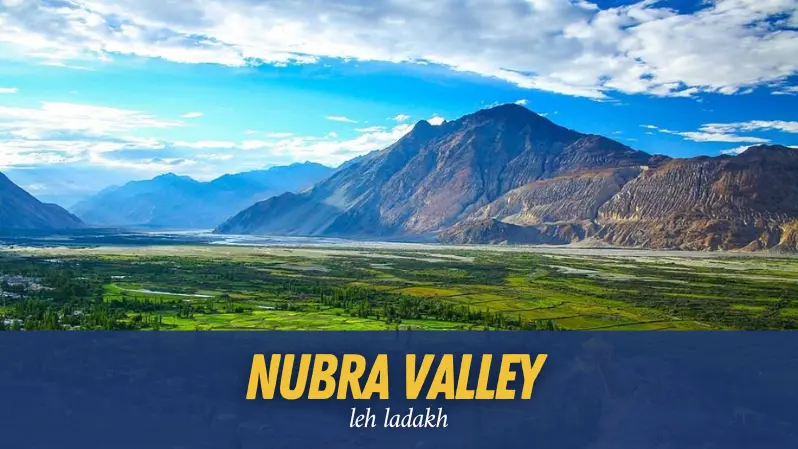
Nubra Valley Leh Ladakh is one of India’s most spectacular mountain destinations, where dramatic landscapes, ancient monasteries, snow-covered peaks, cold deserts, and vibrant local culture come together to create an unforgettable travel experience. Located in the northernmost region of Ladakh, Nubra Valley is often called the Valley of Flowers of Ladakh, though it is equally famous for its unique sand dunes, double-humped Bactrian camels, crystal-clear rivers, and remote Himalayan villages.
A journey to Nubra Valley is much more than a sightseeing trip. It is an experience that takes travelers across one of the world’s highest motorable roads, introduces them to centuries-old Buddhist traditions, and showcases nature in its purest form. Whether you are planning a road trip from Leh, an adventure tour, a family vacation, or a photography expedition, Nubra Valley offers something extraordinary for every traveler.
In this comprehensive guide, you’ll discover everything about nubra valley leh ladakh, including how to reach, the best time to visit, major attractions, accommodation options, travel permits, itinerary suggestions, local food, travel tips, and frequently asked questions.
Where is Nubra Valley Located?
Nubra Valley lies approximately 120 kilometers north of Leh and is situated between the Karakoram and Ladakh mountain ranges. The valley was historically an important section of the ancient Silk Route that connected India with Central Asia through the famous Karakoram Pass.
The valley is formed by the confluence of the Shyok River and Nubra River, creating fertile villages surrounded by rugged mountains and cold desert landscapes. The elevation ranges between 3,000 and 3,200 meters, making it slightly lower than Leh and therefore comparatively easier to acclimatize.
Why Nubra Valley is One of the Most Beautiful Places in Ladakh
The beauty of Nubra Valley lies in its incredible diversity. Within a few hours, travelers can witness towering snow-covered mountains, green villages filled with apricot orchards, golden sand dunes, flowing rivers, and centuries-old monasteries.
Unlike many destinations where attractions are concentrated in one place, every stretch of the journey offers breathtaking scenery. The changing colors of the mountains during sunrise and sunset make the valley a paradise for photographers and nature lovers.
The peaceful atmosphere, clean air, and warm hospitality of the local people add another dimension to the experience.
How to Reach the Valley from Leh
The journey begins from Leh and passes through the famous Khardung La Pass, one of the highest motorable mountain roads in the world. After crossing the pass, the road descends into Nubra Valley through picturesque mountain landscapes.
Travelers can reach the valley by private taxi, self-drive SUV, motorcycle, or shared taxi. Many tourists include Nubra Valley as part of a larger Ladakh road trip covering Pangong Lake and Tso Moriri.
The road remains open during most of the year, although heavy snowfall in winter can occasionally cause temporary closures.
Khardung La Pass – The Gateway to the Valley
No visit to nubra valley leh ladakh is complete without crossing the legendary Khardung La Pass.
Standing at an altitude of over 5,300 meters, the pass offers panoramic Himalayan views, snow-covered landscapes, and an unforgettable driving experience.
Visitors usually stop briefly to take photographs before continuing the journey because prolonged stays at this altitude may cause breathing discomfort due to reduced oxygen levels.
Best Time to Visit Nubra Valley
The best season depends entirely on the type of experience you are looking for.
From May to June, pleasant weather and blooming flowers make sightseeing comfortable. July to September offers the warmest temperatures, clear skies, and excellent road conditions, making it the peak tourist season.
October brings beautiful autumn colors with fewer visitors.
Winter transforms the valley into a snow-covered wonderland. While temperatures drop significantly below freezing, travelers who enjoy snow landscapes and peaceful surroundings often consider winter the most magical time.
Diskit – The Cultural Heart of the Valley
Diskit is the largest settlement in Nubra Valley and serves as the administrative center of the region.
The town is famous for its ancient monastery, traditional Ladakhi houses, peaceful surroundings, and stunning mountain views.
One of its biggest attractions is the gigantic statue of Maitreya Buddha overlooking the valley. The statue symbolizes peace and harmony while offering panoramic views of the surrounding villages and mountains.
The monastery itself houses ancient scriptures, colorful murals, prayer halls, and traditional Buddhist architecture that reflects Ladakh’s spiritual heritage.
Hunder – Where Sand Dunes Meet the Himalayas
Hunder is perhaps the most photographed destination in Nubra Valley.
The village surprises visitors with its unique cold desert landscape where golden sand dunes exist alongside snow-covered Himalayan peaks.
One of the most popular activities here is riding the famous double-humped Bactrian camels that once carried traders along the ancient Silk Route.
The contrast between sand dunes, glaciers, rivers, and mountains creates scenery unlike anywhere else in India.
Sunset in Hunder is particularly mesmerizing as the changing light paints the mountains in shades of orange, pink, and gold.
Turtuk – India’s Last Village Before Pakistan
Turtuk is one of the northernmost villages in India and remained inaccessible to tourists until relatively recently.
The village has a distinct Balti culture that differs from the traditional Ladakhi lifestyle. Stone houses, apricot orchards, wooden bridges, flowing streams, and friendly locals make Turtuk one of the most charming villages in the region.
Walking through its narrow lanes feels like stepping into another world where ancient traditions continue to thrive.
Sumur and Panamik
Sumur offers peaceful monasteries, green fields, and beautiful landscapes that attract travelers seeking quieter experiences.
Nearby Panamik is famous for its natural hot water springs believed to possess therapeutic properties.
These villages provide excellent opportunities to experience authentic local life away from commercial tourism.
Adventure Activities
Adventure lovers will find countless experiences throughout Nubra Valley.
Motorcycle expeditions remain one of the most popular ways to explore Ladakh. Cycling enthusiasts challenge themselves on high-altitude roads, while trekking routes connect remote villages through breathtaking mountain scenery.
Photography tours are equally rewarding due to the constantly changing landscapes and dramatic Himalayan light.
Camping under star-filled skies offers another unforgettable experience.
Wildlife and Nature
The region supports remarkable Himalayan biodiversity.
Travelers may encounter Himalayan marmots, blue sheep, Himalayan foxes, yaks, and several species of migratory birds.
Lucky visitors exploring higher altitudes may even spot elusive snow leopards during winter expeditions.
The diverse ecosystem makes the valley attractive to wildlife photographers and conservation enthusiasts.
Local Food You Should Try
Traditional Ladakhi cuisine reflects the harsh mountain climate and local agricultural practices.
Visitors should taste steaming bowls of Thukpa, handmade Momos, Skyu, Butter Tea, Tingmo, Chhurpi, and freshly harvested apricots during summer.
Many homestays prepare authentic meals using locally sourced ingredients, providing visitors with an immersive cultural experience.
Accommodation Options
Accommodation in Nubra Valley ranges from luxury camps and boutique hotels to budget guesthouses and traditional homestays.
Luxury camps in Hunder offer comfortable stays surrounded by mountains and sand dunes.
Families often prefer hotels in Diskit due to convenient access to restaurants and local attractions.
Travelers seeking authentic experiences frequently choose village homestays where they can interact with local families and learn about Ladakhi traditions.
Inner Line Permit Information
Indian travelers require an Inner Line Permit to visit Nubra Valley.
Foreign nationals require Protected Area Permits according to current government regulations.
Permits can be obtained online or through authorized travel agencies in Leh before beginning the journey.
Carrying multiple photocopies of permits is recommended since security checkpoints may request them during travel.
Suggested Two-Day Itinerary
A two-day journey allows travelers to experience the highlights comfortably.
On the first day, depart early from Leh, cross Khardung La, visit Diskit Monastery, explore Hunder sand dunes, enjoy a camel ride, and stay overnight in Hunder.
On the second day, continue toward Turtuk or Panamik before returning to Leh in the evening.
Those with additional time can combine Nubra Valley with Pangong Lake for a longer Ladakh circuit.
Essential Travel Tips
Acclimatization is extremely important before traveling to high-altitude regions. Spending at least two days in Leh helps reduce the risk of altitude sickness.
Carry sufficient warm clothing regardless of the season because temperatures change rapidly.
Maintain hydration, avoid alcohol during the initial days, and keep emergency medicines with you.
Fuel stations are limited, so ensure your vehicle has enough fuel before leaving Leh.
Respect local customs, monasteries, and environmental guidelines to preserve the fragile Himalayan ecosystem.
Follow Us on Instagram | Facebook
Sustainable Tourism
The beauty of Nubra Valley depends on responsible tourism.
Avoid littering, minimize plastic usage, support local businesses, stay in locally owned accommodations whenever possible, and respect wildlife habitats.
Simple actions by travelers contribute significantly toward preserving this unique Himalayan destination for future generations.
Conclusion
Nubra Valley Leh Ladakh represents the perfect combination of adventure, culture, spirituality, and natural beauty. Every road, village, monastery, river, and mountain tells a story shaped by centuries of history and the remarkable resilience of the people who call this region home.
Whether you are captivated by the iconic sand dunes of Hunder, the peaceful monasteries of Diskit, the cultural richness of Turtuk, or the breathtaking drive across Khardung La, Nubra Valley promises memories that last a lifetime.
If you are planning a journey to Ladakh, make sure Nubra Valley is at the very top of your itinerary. It is not simply another destination—it is one of the Himalayas’ greatest treasures.
Frequently Asked Questions (FAQs)
Is Nubra Valley worth visiting?
Yes. Nubra Valley is one of the most scenic destinations in Ladakh, offering monasteries, rivers, sand dunes, mountain landscapes, villages, and adventure activities in one trip.
How many days are enough for Nubra Valley?
Two to three days are ideal for exploring the major attractions while enjoying a relaxed travel experience.
What is famous in Nubra Valley?
The valley is famous for Hunder Sand Dunes, Bactrian camel rides, Diskit Monastery, Khardung La Pass, Turtuk Village, Panamik Hot Springs, and breathtaking Himalayan scenery.
Is a permit required?
Yes. Indian citizens require an Inner Line Permit, while foreign nationals need a Protected Area Permit before entering the region.
What is the best month to visit?
June to September is considered the best period because roads remain open and weather conditions are generally favorable.
Can beginners drive to Nubra Valley?
Yes, but drivers should have experience with mountain roads and high-altitude conditions. Hiring a local driver is recommended for first-time visitors.
Is there snowfall in Nubra Valley?
Yes. Snowfall occurs mainly during winter, especially between December and February, creating spectacular white landscapes.
Are ATMs and mobile networks available?
Limited ATM facilities and mobile connectivity are available in some areas. Postpaid connections generally work better than prepaid SIM cards in Ladakh.
Can families visit with children?
Absolutely. Families frequently visit Nubra Valley, though proper acclimatization and warm clothing are essential for children and elderly travelers.
Why is Nubra Valley one of the most visited places in Ladakh?
Its combination of unique landscapes, rich Buddhist heritage, adventure opportunities, peaceful villages, and easy accessibility from Leh makes Nubra Valley one of the top attractions in the Ladakh region.