South Korea Tour Places: Best Destinations to Explore on Your Korea Trip
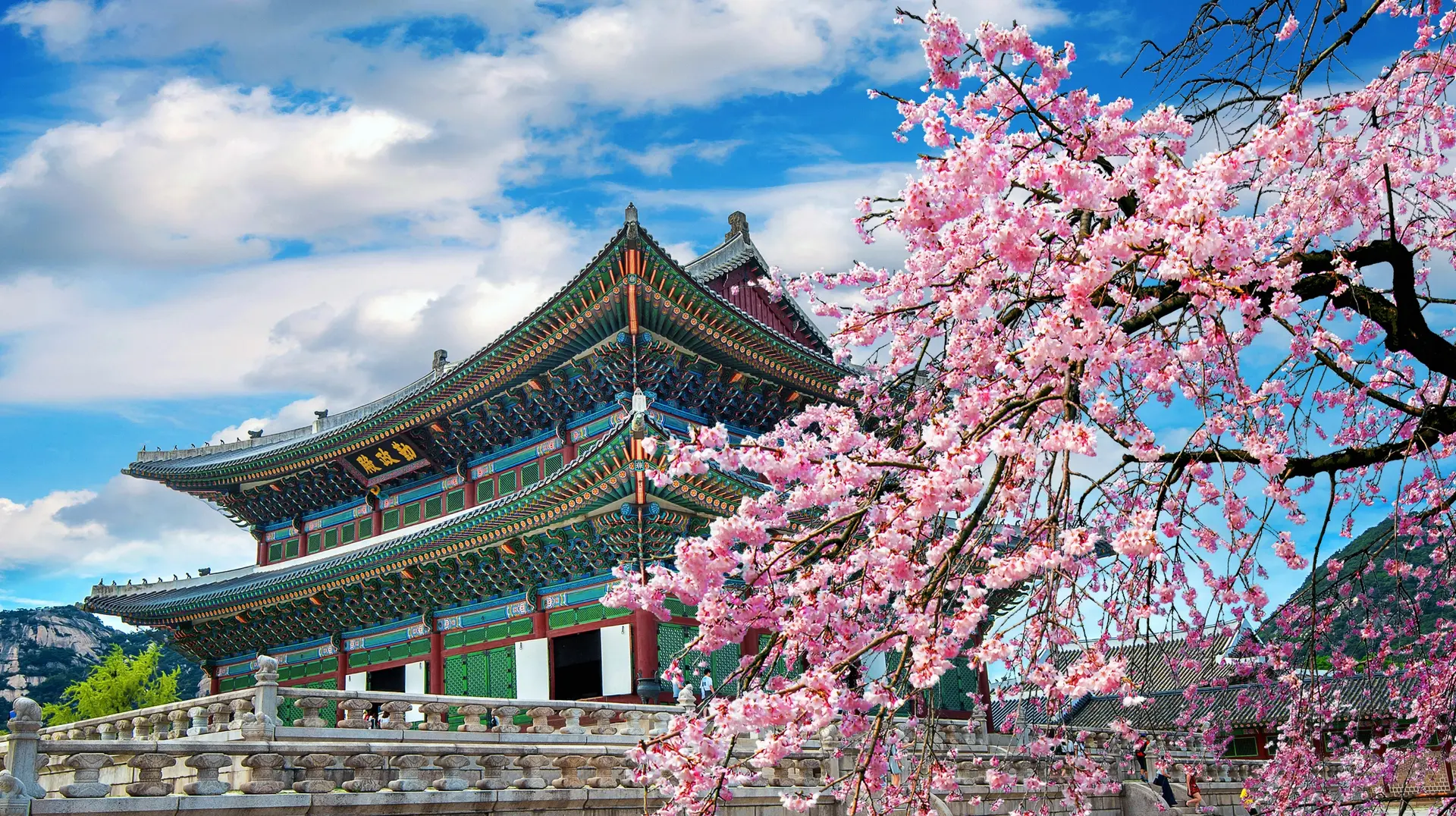
South Korea is a fascinating travel destination where ancient heritage, modern cities, beautiful coastlines, mountain landscapes and distinctive cultural experiences come together. Beyond its globally recognised entertainment industry, the country offers historic temples, traditional villages, volcanic islands, scenic national parks, lively coastal cities and exceptional food experiences.
Exploring South Korea tour places is an opportunity to discover different sides of the country. While Seoul introduces visitors to contemporary Korean lifestyles and royal heritage, destinations such as Busan offer beautiful beaches, Gyeongju showcases ancient Korean history, Jeju Island attracts nature lovers, and Jeonju provides an authentic introduction to traditional Korean culture.
Whether you are planning a family holiday, honeymoon, cultural exploration or first international trip to Korea, choosing destinations beyond the capital can make your journey more rewarding. This guide explores the country’s most interesting regions, what makes each destination special and how to combine them into a memorable Korean holiday.
Why Explore Different Destinations in South Korea?
South Korea offers considerable geographical and cultural diversity within a relatively compact country. Travellers can experience metropolitan attractions, historic cities, mountain scenery, traditional villages and coastal landscapes during one holiday.
Each region has its own character:
- Urban experiences: Modern cities, shopping, entertainment and contemporary architecture.
- Cultural heritage: Historic temples, traditional villages, royal landmarks and UNESCO-listed sites.
- Natural landscapes: Volcanic mountains, waterfalls, forests, beaches and national parks.
- Coastal experiences: Seafood markets, seaside walks, beaches and ocean viewpoints.
- Local food: Regional Korean specialities, traditional markets and authentic dining experiences.
Exploring several regions rather than spending the entire holiday in one city provides a broader understanding of Korean culture and lifestyle.
1. Seoul – Discover the Modern and Traditional Capital
Seoul is the capital and an important starting point for international travellers visiting South Korea. The city combines centuries-old Korean heritage with contemporary architecture, shopping, entertainment, technology and an internationally recognised food scene.
Visitors can explore royal heritage, experience modern Korean culture, discover local markets and enjoy the city’s lively atmosphere.
Seoul is particularly appealing to travellers interested in Korean entertainment, fashion, beauty products, cafés and contemporary lifestyles. Its extensive public transportation network also makes it convenient for exploring different parts of the city.
Rather than treating Seoul as the entire Korean experience, consider it the starting point for discovering other destinations across the country.
2. Busan
Busan is South Korea’s second largest city and one of the country’s most attractive coastal destinations. Located in the southeastern part of the Korean Peninsula, it offers a combination of sandy beaches, colourful neighbourhoods, seafood markets, coastal temples and beautiful ocean views.
Popular experiences in Busan:
- Haeundae Beach: Enjoy one of Korea’s best-known urban beaches, surrounded by modern buildings and coastal attractions.
- Gwangalli Beach: Relax beside the sea and enjoy views of the illuminated Gwangan Bridge.
- Gamcheon Culture Village: Discover colourful hillside buildings, artistic installations and narrow walking streets.
- Jagalchi Fish Market: Experience Busan’s seafood culture and explore one of its famous traditional markets.
- Haedong Yonggungsa Temple: Visit a picturesque Buddhist temple overlooking the coastline.
Busan is particularly suitable for travellers who enjoy coastal scenery, local cuisine, photography and a relaxed atmosphere.
A combination of Seoul and Busan is an excellent choice for first time visitors who want to experience both metropolitan Korea and its coastal lifestyle.
3. Jeju Island
Jeju Island is one of the most distinctive destinations in South Korea. Located off the southern coast of the mainland, the island is famous for volcanic formations, scenic beaches, waterfalls, lava caves and beautiful coastal landscapes.
Recognised for its natural heritage, Jeju is particularly attractive to honeymooners, families, photographers and outdoor enthusiasts.
Top attractions and experiences in Jeju:
- Hallasan National Park: Explore the natural surroundings of South Korea’s highest mountain, with hiking routes through different vegetation zones.
- Seongsan Ilchulbong: Visit the famous volcanic tuff cone, known for its dramatic landscape and sunrise views.
- Jeju Olle Trails: Enjoy scenic walking routes connecting villages, coastlines and natural viewpoints.
- Cheonjiyeon Waterfall: Discover a beautiful waterfall surrounded by subtropical vegetation.
- Udo Island: Take a trip to a nearby island known for its coastal scenery, beaches and peaceful atmosphere.
- Manjanggul Lava Tube: Explore the island’s volcanic geological heritage when visitor access is available.
Jeju offers a completely different atmosphere from the country’s major cities. It is an excellent choice for travellers who want to combine sightseeing with nature and outdoor activities.
Visitors planning hiking activities on Hallasan should check trail conditions and reservation requirements before travelling.
4. Gyeongju
Gyeongju is one of the most important historical destinations in South Korea. It was once the capital of the ancient Silla Kingdom, which ruled a large part of the Korean Peninsula for centuries.
Often associated with Korea’s ancient heritage, Gyeongju features historic temples, royal tombs, archaeological remains and traditional cultural landmarks.
Places worth exploring in Gyeongju:
- Bulguksa Temple: Visit an important Buddhist temple recognised as part of a UNESCO World Heritage property.
- Seokguram Grotto: Discover a historic Buddhist grotto featuring an impressive stone Buddha.
- Daereungwon Tomb Complex: Explore the ancient burial mounds associated with Silla royalty.
- Donggung Palace and Wolji Pond: Enjoy a historic palace site that is particularly atmospheric during evening illumination.
- Cheomseongdae Observatory: See an ancient astronomical observatory associated with the Silla period.
- Hwangnidan-gil: Walk through a popular area featuring traditional-style buildings, cafés and local shops.
Gyeongju is particularly recommended for travellers interested in archaeology, Korean history, architecture and cultural tourism.
It also offers a valuable contrast to the contemporary atmosphere of Seoul and Busan.
5. Jeonju
Jeonju, located in the southwestern part of South Korea, is widely recognised for its traditional architecture and food culture.
The city is particularly famous for Jeonju Hanok Village, where visitors can explore traditional Korean houses, cultural workshops, tea houses and local restaurants.
Things to experience in Jeonju:
- Walk through Jeonju Hanok Village and discover traditional Korean architecture.
- Try Jeonju bibimbap, one of the city’s best-known regional dishes.
- Explore traditional craft shops and cultural workshops.
- Visit historic religious and cultural landmarks.
- Experience traditional Korean tea and local food.
Jeonju is an excellent destination for travellers who want to understand Korean traditions beyond the country’s popular entertainment and urban attractions.
For international visitors, the city offers an opportunity to experience local customs, regional cuisine and a slower pace of life.
6. Gangwon do
Gangwon do, in northeastern South Korea, is known for its beautiful natural surroundings, mountain scenery, coastal towns and outdoor recreation.
The region is especially attractive to nature lovers and travellers who want to experience a quieter side of Korea.
Popular places to explore in Gangwon do:
- Seoraksan National Park: Discover dramatic mountain landscapes, hiking trails, valleys and seasonal foliage.
- Sokcho: Explore a coastal city known for its beaches, seafood markets and proximity to Seoraksan.
- Gangneung: Enjoy beautiful beaches, coastal cafés and scenic seaside experiences.
- Pyeongchang: Discover mountain landscapes and winter sports facilities associated with the 2018 Winter Olympics.
- Nami Island: Enjoy tree lined walking paths and seasonal landscapes in a popular recreational destination.
Gangwon do is particularly beautiful during autumn, when mountain forests develop colourful foliage. Winter also attracts visitors interested in snow scenery and seasonal activities.
For adventure and outdoor enthusiasts, this region adds an interesting dimension to South Korea holidays
7. Incheon
Incheon is more than an international gateway to South Korea. Located close to Seoul, it offers a combination of historic neighbourhoods, modern urban developments, coastal attractions and cultural experiences.
It is a convenient destination for travellers who have additional time before or after their international flights.
Popular attractions in Incheon include:
- Songdo Central Park: Explore a modern waterfront park surrounded by contemporary architecture.
- Incheon Chinatown: Discover historic streets, Chinese-Korean food influences and cultural attractions.
- Wolmido Island: Enjoy coastal entertainment, waterfront walks and seaside dining.
- Open Port Cultural District: Learn about the city’s history as an important international trading port.
- Songwol dong Fairy Tale Village: Explore colourful street art and themed surroundings.
Incheon can be included as a day trip from Seoul or as part of a longer South Korea travel itinerary.
8. Andong
Andong is an important cultural destination in southeastern South Korea. It is particularly famous for preserving traditional Korean customs, architecture and Confucian heritage.
The city offers a deeper understanding of historical Korean society and traditional lifestyles.
Important places to visit in Andong:
- Hahoe Folk Village: Explore a traditional village recognised by UNESCO for its historical cultural significance.
- Byeongsan Seowon: Discover a historic Confucian academy surrounded by scenic landscapes.
- Andong Folk Museum: Learn about traditional Korean lifestyles and cultural practices.
- Andong Mask Dance: Experience the region’s traditional mask-dance heritage when performances are scheduled.
Andong is particularly suitable for cultural travellers interested in traditional architecture, heritage conservation and Korean customs.
9. Yeosu
Yeosu is a beautiful coastal city in South Jeolla Province, known for its islands, sea views, waterfront attractions and relaxed atmosphere.
It is a good choice for travellers who want to discover destinations beyond the country’s most frequently visited cities.
Experiences to enjoy in Yeosu:
- Visit Odongdo Island and explore its coastal walking paths.
- Enjoy panoramic views from Yeosu Maritime Cable Car.
- Discover the waterfront surroundings of Dolsan Island.
- Explore local seafood restaurants and traditional markets.
- Enjoy evening views across the illuminated coastline.
Yeosu is especially appealing to couples, photographers and travellers who enjoy coastal scenery.
10. Suwon
Suwon, located in Gyeonggi Province, is a convenient cultural destination near Seoul.
The city is best known for Suwon Hwaseong Fortress, a UNESCO World Heritage Site built during the Joseon Dynasty. Its historic walls, gates, pavilions and surrounding areas provide insight into Korea’s architectural and military heritage.
What to explore in Suwon:
- Walk along sections of the historic Hwaseong Fortress walls.
- Visit Hwaseong Haenggung Palace.
- Explore traditional markets and local restaurants.
- Discover the city’s historical streets and cultural attractions.
Suwon can easily be included in a day trip from Seoul, making it a practical addition to a first-time South Korea holiday.
Best South Korea Tour Places Based on Travel Interests
Choosing destinations according to your interests makes planning a Korean holiday easier.
| Travel interest | Recommended destinations |
|---|---|
| History and heritage | Gyeongju, Andong, Suwon, Jeonju |
| Beaches and coastal scenery | Busan, Jeju, Yeosu, Gangneung |
| Nature and hiking | Jeju, Gangwon-do, Seoraksan |
| Traditional Korean culture | Jeonju, Andong, Gyeongju |
| Modern city experiences | Seoul, Incheon, Busan |
| Family holidays | Seoul, Busan, Jeju |
| Romantic holidays | Jeju, Busan, Yeosu |
| Winter experiences | Pyeongchang, Gangwon-do |
Suggested South Korea Travel Routes
South Korea has an efficient intercity transportation network, making it possible to combine several destinations in one holiday. However, the best route depends on your arrival airport, travel duration and preferred experiences.
- Option 1: South Korea Tour Package
- Option 2: Seoul Tour Package
Best Time to Visit South Korea
South Korea experiences four distinct seasons, and the ideal travel period depends on your preferred activities.
Spring (March to May): Spring brings pleasant sightseeing conditions and seasonal cherry blossoms. It is a popular time for visiting cities, parks and cultural attractions.
Summer (June to August): Summer is suitable for beach holidays and coastal experiences, particularly in Busan and Jeju. However, temperatures can be high, humidity increases and the monsoon period can affect travel plans.
Autumn (September to November): Autumn is one of the most attractive seasons for exploring South Korea. Mountain landscapes, historic sites and parks become particularly scenic with colourful foliage.
Winter (December to February): Winter offers snow-covered landscapes and opportunities for skiing and other seasonal activities, particularly in Gangwon do.
Travel Tips for Exploring South Korea
Before planning your South Korea holiday, keep the following practical points in mind:
- Plan regional transfers: Use the country’s rail and intercity bus networks to connect major destinations. Check routes and journey times before finalising accommodation.
- Allow sufficient travel days: Avoid including too many cities in a short holiday. Travel between distant regions can take a considerable part of the day.
- Check seasonal conditions: Weather can vary significantly between coastal regions, cities and mountain destinations.
- Arrange connectivity: Consider an international roaming plan or a local SIM/eSIM for navigation and communication.
- Understand local transport: Public transportation is convenient in major cities, while a rental car can provide greater flexibility in places such as Jeju.
- Respect local customs: Follow local guidelines at temples, traditional villages and residential neighbourhoods.
- Check entry requirements: Visa and travel authorisation requirements depend on your nationality and should be confirmed through official government sources before departure.
Frequently Asked Questions About South Korea Tour Places
1. What are the best destinations to visit in South Korea?
Seoul, Busan, Jeju Island, Gyeongju, Jeonju and Gangwon-do are among the country’s popular destinations, offering different cultural, historical and natural experiences.
2. How many days are enough for a South Korea trip?
Around 7–10 days is suitable for exploring a few major destinations. A 12–14-day holiday allows travellers to discover more regions without rushing.
3. Is Jeju Island worth visiting?
Yes. Jeju Island is famous for its volcanic landscapes, waterfalls, beaches, hiking routes and scenic coastal areas, making it an excellent addition to a Korean holiday.
4. Which South Korean destinations are best for history lovers?
Gyeongju, Andong, Jeonju and Suwon are excellent choices for travellers interested in historic architecture, traditional villages, temples and cultural heritage.
5. What is the best time to explore South Korea?
Spring and autumn are particularly popular for sightseeing because of their seasonal scenery and generally comfortable conditions. Winter is ideal for travellers interested in snow and winter sports.
Plan Your South Korea Holiday with Shikhar Travels
South Korea offers much more than its internationally recognised capital. From the beaches of Busan and the volcanic landscapes of Jeju to the ancient heritage of Gyeongju and the traditional villages of Jeonju and Andong, every region offers something different.
Exploring multiple destinations allows travellers to experience the country’s history, culture, nature, cuisine and contemporary lifestyle in a more meaningful way.
At Shikhar Travels, you can explore international holiday options and plan a South Korea journey around your preferred destinations, travel duration and experiences.
Whether you are interested in a short city break or a multi-destination Korean holiday, choose a route that allows you to discover more of this fascinating country.