Trekking in Himachal Pradesh | Top Treks in Himachal Pradesh
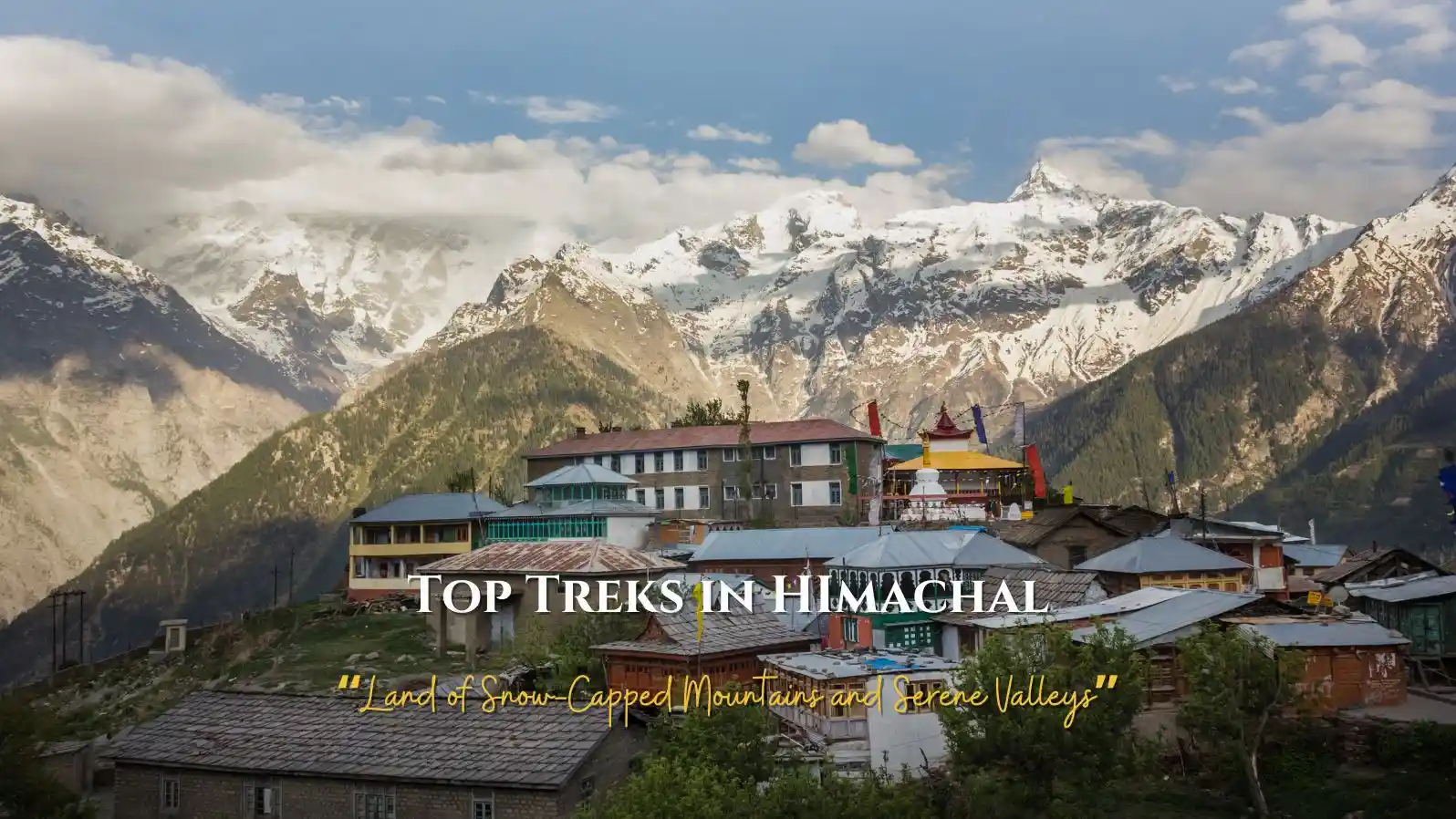
Himachal Pradesh, often called the “Land of Snow-Capped Mountains and Serene Valleys”, is a trekker’s paradise. From lush green meadows to challenging high-altitude passes, the state offers a spectrum of trekking experiences suitable for beginners, adventurers, and seasoned mountaineers alike.
Trekking in Himachal Pradesh is not just about walking through mountains; it’s about connecting with nature, exploring remote villages, witnessing breathtaking landscapes, and experiencing the unique Himalayan culture. In this guide, we explore the best treks in Himachal Pradesh, their difficulty levels, ideal seasons, and essential tips to help you plan the perfect adventure.
Why Trekking in Himachal Pradesh is a Must
- Diverse Landscapes – From verdant Kullu valleys to barren Spiti plateaus, Himachal offers varied terrains that are ideal for trekking.
- Adventure and Fitness – Trekking improves stamina, strengthens muscles, and offers an adrenaline rush.
- Cultural Exploration – Many treks pass through traditional villages, monasteries, and heritage sites, offering insights into Himachali life.
- Unforgettable Scenery – Snow-clad peaks, alpine meadows, rivers, and glacial lakes create postcard-perfect views.
Best Treks in Himachal Pradesh
Kullu & Manali Region
Difficulty: Moderate
Duration: 5–6 days
Altitude: 4,270 m
Highlights: Contrasting landscapes from Kullu’s green valleys to Spiti’s barren lands, waterfalls, and meadows.
Best Season: May–September
2. Beas Kund Trek
Difficulty: Moderate
Duration: 4–5 days
Altitude: 3,700 m
Highlights: Source of Beas River, Himalayan views, alpine meadows.
Best Season: May–October
3. Bhrigu Lake Trek
Difficulty: Moderate
Duration: 4–5 days
Altitude: 4,300 m
Highlights: Crystal-clear high-altitude lake, views of Pir Panjal and Dhauladhar ranges.
Best Season: June–October
4. Pin Parvati Pass Trek
Difficulty: Very Challenging
Duration: 8–10 days
Altitude: 5,319 m
Highlights: Connects lush Kullu Valley to barren Spiti, snowfields, remote villages, and dramatic mountain landscapes.
Best Season: July–September
Difficulty: Moderate to Challenging
Duration: 5–6 days
Altitude: 4,650 m
Highlights: Waterfalls, rivers, lush forests, snowfields, and meadows.
Best Season: June–October
Spiti & Lahaul Region
1. Chandratal Lake Trek
Difficulty: Moderate
Duration: 3–4 days
Altitude: 4,300 m
Highlights: Stunning moon-shaped lake, remote trails, and breathtaking sunsets.
Best Season: June–September
2. Stok Kangri Trek
Difficulty: Very Challenging
Duration: 7–10 days
Altitude: 6,153 m
Highlights: Himalayan peak adventure, snow climbing, panoramic views of Zanskar and Ladakh ranges.
Best Season: June–September
Difficulty: Extreme
Duration: 12–14 days
Altitude: 5,600 m
Highlights: Remote expedition connecting Spiti to Ladakh, glaciers, and high passes.
Best Season: July–September
Difficulty: Moderate
Duration: 4–6 days
Altitude: 3,600–4,200 m
Highlights: Wildlife spotting (snow leopards, ibex), pristine landscapes, and cultural villages.
Best Season: June–October
Kangra & Chamba Region
1. Triund Trek
Difficulty: Easy
Duration: 1–2 days
Altitude: 2,850 m
Highlights: Sunset views over Dhauladhar range, camping under stars, ideal for beginners.
Best Season: March–June & September–November
2. Kareri Lake Trek
Difficulty: Moderate
Duration: 3–4 days
Altitude: 2,934 m
Highlights: Pristine high-altitude lake, lush meadows, traditional villages.
Best Season: June–October
3. Prashar Lake Trek
Difficulty: Easy to Moderate
Duration: 2–3 days
Altitude: 2,730 m
Highlights: Floating temple in the lake, panoramic views of Dhauladhar and Pir Panjal ranges.
Best Season: March–June & September–November
4. Kheerganga Trek
Difficulty: Moderate
Duration: 2–3 days
Altitude: 2,960 m
Highlights: Hot springs, lush landscapes, spiritual significance.
Best Season: April–June & September–November
Kinnaur & Sangla Valley
1. Kinner Kailash Trek
Difficulty: Challenging
Duration: 7–8 days
Altitude: 5,300 m
Highlights: Pilgrimage trek, panoramic Himalayan views, sacred Kinner Kailash peak.
Best Season: July–September
2. Bhabha Pass Trek
Difficulty: Challenging
Duration: 8–10 days
Altitude: 4,890 m
Highlights: Remote high-altitude trek, meadows, rivers, and Spiti connection.
Best Season: July–September
3. Bara Bhangal Trek
Difficulty: Moderate
Duration: 4–5 days
Altitude: 3,500 m
Highlights: Offbeat trail through forests, rivers, and villages.
Best Season: June–October
Offbeat & Lesser-Known Treks
1. Tosh Valley Trek
Difficulty: Moderate
Duration: 2–3 days
Altitude: 2,400 m
Highlights: Remote villages, scenic Parvati Valley, cultural experience.
Best Season: May–October
2. Malana Trek
Difficulty: Moderate
Duration: 2 days
Altitude: 2,650 m
Highlights: Explore Malana village, ancient culture, snow-capped peaks in the backdrop.
Best Season: March–June & September–November
3. Shepherd’s Trail Trek
Difficulty: Easy
Duration: 1–2 days
Altitude: 2,200–2,500 m
Highlights: Perfect beginner trek, gentle trails, lush meadows.
Best Season: March–June & September–November
Trek Difficulty Levels in Himachal Pradesh
- Easy Treks: Triund, Prashar Lake, Kheerganga, Shepherd’s Trail
- Moderate Treks: Hampta Pass, Beas Kund, Bhrigu Lake, Chandratal, Kareri Lake
- Challenging Treks: Rupin Pass, Pin Parvati Pass, Stok Kangri, Bhabha Pass, Kinner Kailash
Best Time to Go Trekking in Himachal Pradesh
- Summer (May–July): Ideal for green valleys, moderate treks, and wildflowers.
- Autumn (September–October): Clear skies, perfect for high-altitude treks.
- Winter (December–February): Snow-covered trails; suitable only for advanced trekkers.
Essential Trekking Tips
1. Permits & Regulations – Some treks require government permits, especially in restricted areas.
2. Gear & Equipment – Trekking shoes, thermal clothing, sleeping bags, trekking poles, rain gear.
3. Acclimatization – Essential for high-altitude treks to avoid altitude sickness.
4. Local Guides – Recommended for safety and local knowledge.
5. Safety & Emergency – Carry first-aid kit, emergency contacts, and trekking map or GPS.
FAQs: Trekking in Himachal Pradesh
Q: What is the best season for trekking in Himachal Pradesh?
A: Summer (May–July) for moderate treks, Autumn (Sep–Oct) for high-altitude treks.
Q: Which are the easiest treks in Himachal Pradesh for beginners?
A: Triund, Prashar Lake, Kheerganga.
Q: Do I need a guide for treks in Himachal Pradesh?
A: Highly recommended for high-altitude and offbeat treks.
Q: What are the most challenging treks in Himachal Pradesh?
A: Pin Parvati Pass, Stok Kangri, Parang La.
Q: How to reach Himachal Pradesh for trekking?
A: By road: Buses, taxis. By air: Kullu, Shimla, Kangra airports. By train: Kalka, Pathankot.
Q: Are trekking permits required?
A: Yes, especially for high-altitude or restricted treks.
Q: Can I do solo trekking in Himachal Pradesh?
A: Solo trekking is possible on beginner-friendly trails; guides recommended for remote areas.
Q: What is the average cost of trekking in Himachal Pradesh?
A: ₹15,000 – ₹50,000 depending on trek duration and type.
Q: What fitness level is required?
A: Easy treks: moderate fitness. High-altitude treks: advanced stamina and preparation.
Q: Which treks offer the best photography opportunities?
A: Triund, Chandratal, Hampta Pass, Malana, Stok Kangri.
Conclusion
Himachal Pradesh is truly a trekker’s dream. Whether you’re seeking lush green trails, alpine lakes, snow-capped peaks, or spiritual journeys through remote villages, the state has a trek for every explorer. Planning according to difficulty, season, and personal preference ensures an unforgettable adventure.