Rupin Pass Trek | Itinerary, Cost, Route & Altitude Guide itinerary
Day 1: Shimla to Jiskun (7,700 ft | 205 km drive | 10 hrs)
Your journey begins early in the morning from the Old Bus Stand in Shimla at 6:00 am. Trekkers will be driven in vehicles such as Bolero, Tempo Traveller, or similar, heading towards Jiskun, the base camp for the Rupin Pass trek. En route, the road takes you through the charming town of Rohru on the banks of the Pabbar River, where you’ll find the last ATM, and then continues across the scenic Chainsheel Valley. From Rohru, the road splits—one route leading to Janglik, the base for Buran Ghati Trek, and the other towards Jiskun. The drive is long and chilly, but nature’s beauty makes it worth every moment, with views of lush hills, valleys, and villages along the way. After about 8–10 hours of travel, you finally reach Jiskun, where a homestay or guesthouse will be arranged for your stay. Only dinner is included on this day, so carry some snacks for the journey. The last mobile network is available till Chanshal Pass, Jiskun, and Jakha. Be prepared for cold weather, and keep your camera handy for breathtaking vistas.
Day 2: Jiskun to Jakha (8,700 ft | 4 km trek | 4 hrs)
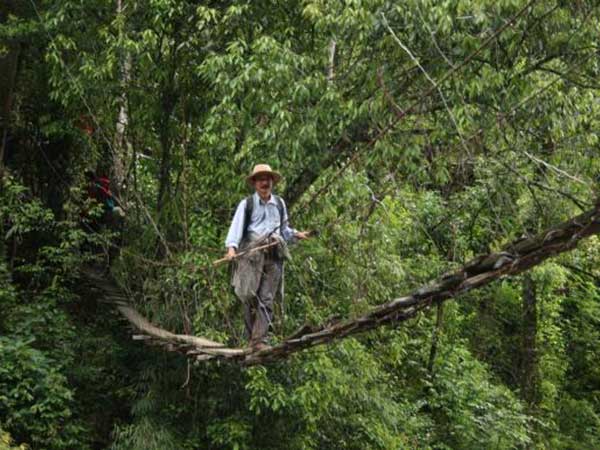
The trek kicks off with a challenging uphill climb from Jiskun to Jakha, the last inhabited village on the Rupin Pass trail. The path begins with a descent through a thick forest of deodars and walnut trees, leading into a mysterious gorge with remnants of an old wooden bridge. Soon, you’ll cross a newly built bridge and begin the steep zigzag ascent towards Jakha. Along the way, tea stalls and Maggi shacks offer short breaks, while Selwan Khad serves as the final water point. The four-hour trek is demanding but extremely rewarding, with mesmerizing views and forest trails filled with birdsong. Jakha itself is a unique village rooted in Satsang principles, making it a meat-free zone. Campsites are usually set above the village, often doubling as a school playground. This is the last chance to restock supplies or hire porters before the trek enters secluded stretches. Night halt will be in a homestay or tents.
Day 3: Jakha to Saruwas Thatch (10,770 ft | 7 km trek | 4–6 hrs)
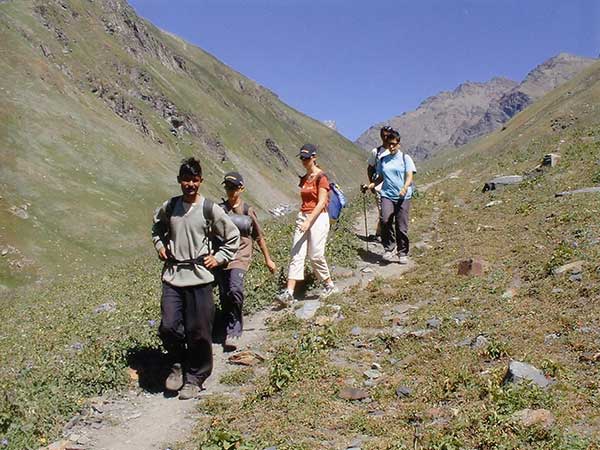
From Jakha, the trail meanders into dense coniferous forests of blue pine and maple before gradually descending to the Rupin River. Depending on the season, you might cross a spectacular snow bridge or a sturdy wooden one. The trek continues along the river, passing through Udakanal’s lush meadows and Burans Kandi, where the Rupin flows fiercely through rocky gullies, surrounded by vibrant rhododendrons. Further ahead, the path opens into breathtaking grasslands with a small island of green surrounded by the river, offering the perfect Himalayan campsite. The 7 km trail, though long, is gentle and scenic, with chances to spot wildflowers and snow patches. Hot lunch will be served en route, and the night stay will be in tents on a sharing basis.
Day 4: Saruwas Thatch to Dhanderas Thatch – Lower Waterfall (11,700 ft | 4 km trek | 2–3 hrs)
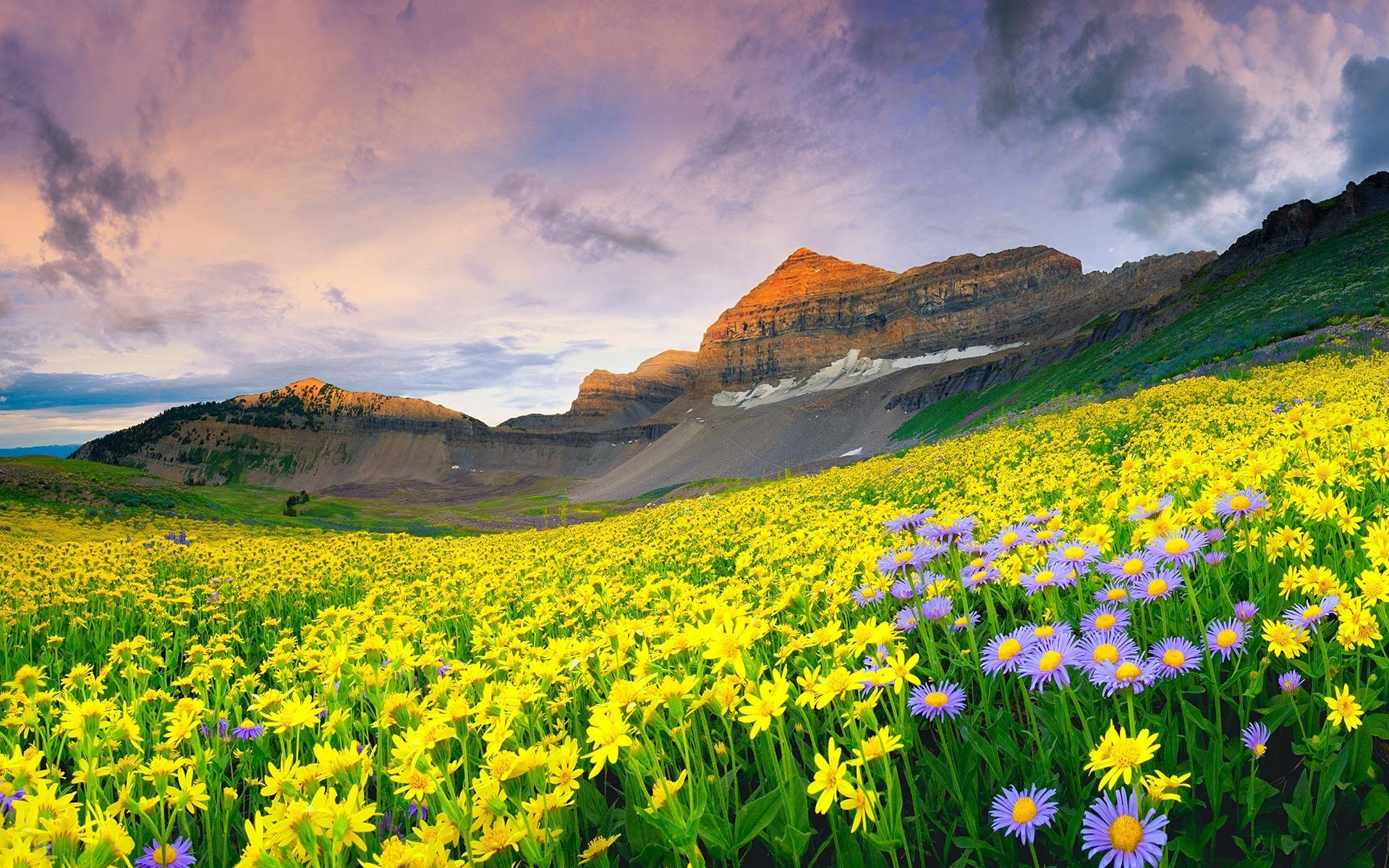
This short but incredibly beautiful section of the trek takes you from Saruwas Thatch into the famous U-shaped valley of Dhanderas Thatch, also known as the Lower Waterfall campsite. The trail ascends gradually through meadows bursting with yellow marigolds and colourful wildflowers, interspersed with icy streams and snow bridges. The Rupin River flows gently by your side as cascading waterfalls tumble from high cliffs, creating a surreal backdrop. After 2–3 hours of hiking, you’ll reach the stunning campsite set at the base of the mighty Rupin Waterfall, a three-tiered spectacle rising nearly 1,500 ft. Surrounded by emerald meadows and framed by snow-clad peaks, Dhanderas Thatch is one of the most iconic campsites in the Himalayas. Overnight stay will be in tents with the Rupin River flowing nearby.
Day 5: Dhanderas Thatch to Upper Waterfall Camp (13,120 ft | 3.5 km trek | 3–5 hrs)
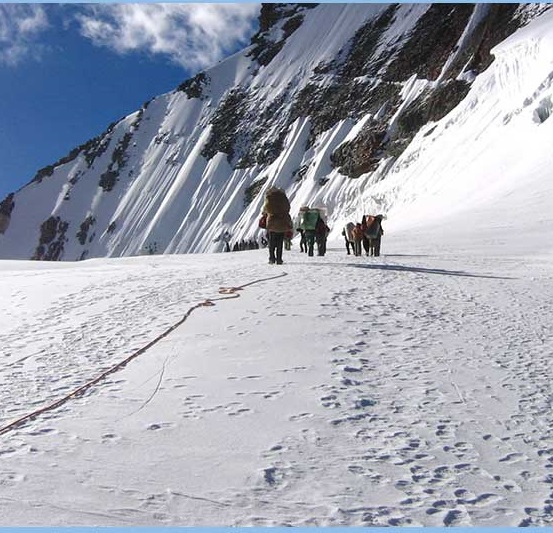
Today’s trek, though short, is one of the most exciting. After breakfast, you’ll begin a steep ascent towards the Upper Waterfall, negotiating snow patches, boulder sections, and narrow trails. Along the way, you’ll pass a stunning snow bridge and meadows full of marigolds, making the climb both challenging and visually rewarding. Trekkers will be briefed on snow trekking techniques such as
sidestepping and sliding to ensure safety. After 3–5 hours, you’ll reach the Upper Waterfall Camp at over 13,000 ft. The views from here are mesmerizing, with the Rupin River thundering down in multiple cascades and vast snowfields stretching out above. This campsite marks the base for the next day’s grand adventure the crossing of Rupin Pass. Hot lunch will be provided at camp.
Day 6: Upper Waterfall to Rupin Pass (15,250 ft) to Ronti Gad (13,420 ft | 9 km trek | 10 hrs)
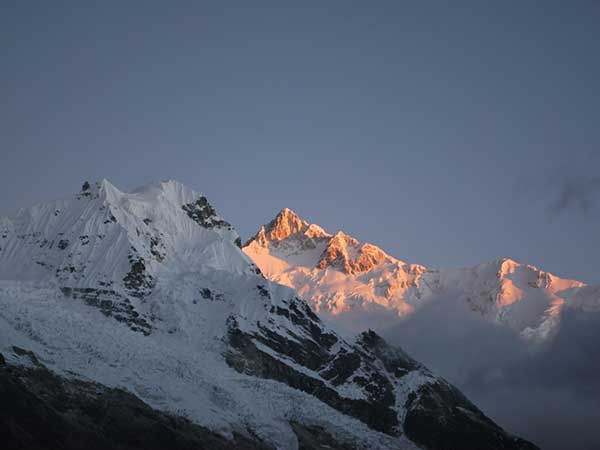
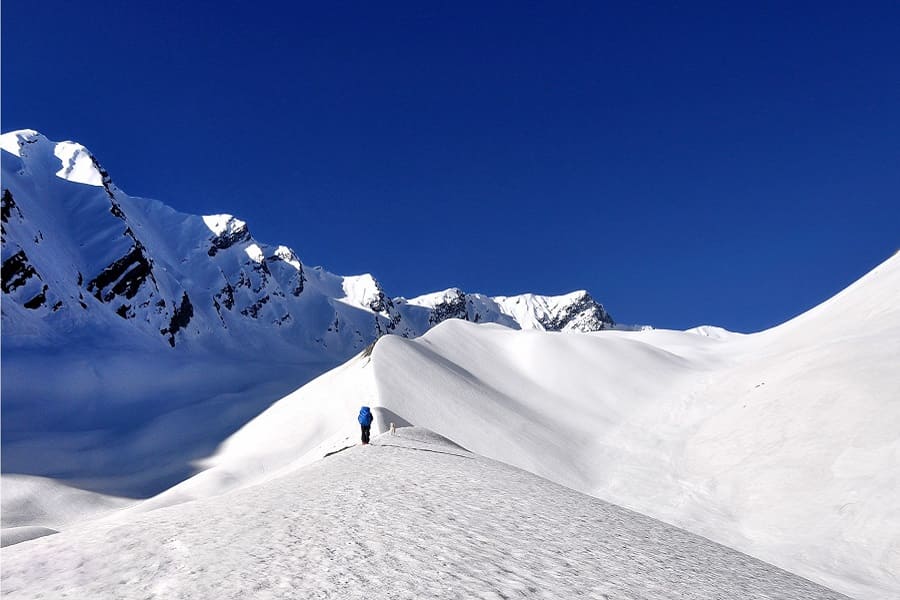
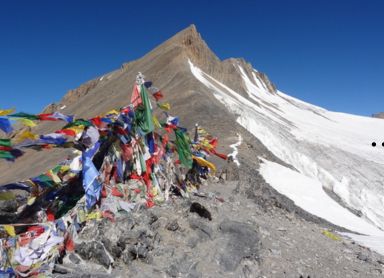
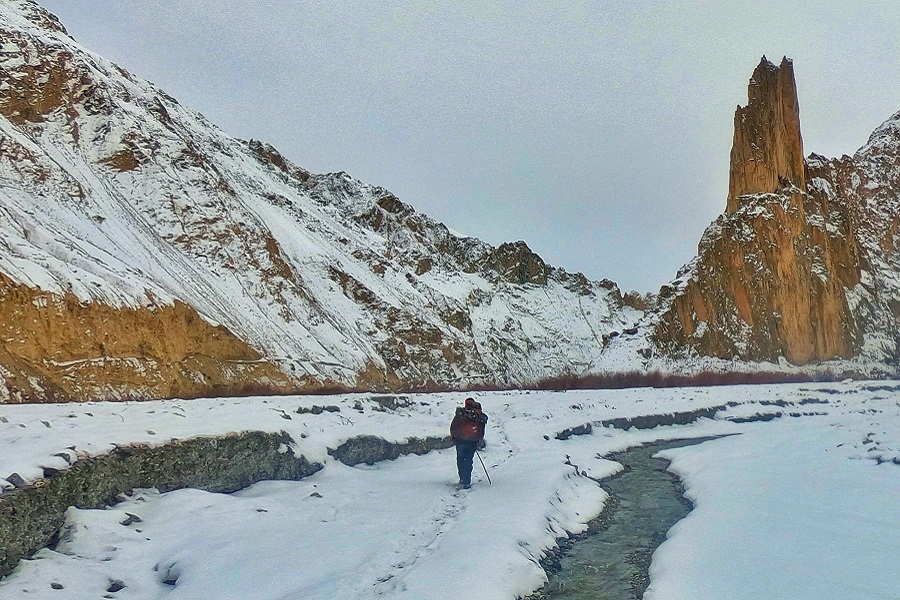
This is the climax of the trek and also its most demanding day. Starting as early as 4:30 am with packed breakfast and lunch, you’ll begin a long ascent towards Rupin Pass. The trail climbs steeply through Rati Pheri and snowy stretches before reaching the summit of Rupin Pass at 15,250 ft. Here, colourful prayer flags flutter in the wind, and the views of the Dhauladhar and Kinner Kailash ranges are nothing short of spectacular. The descent on the other side is equally thrilling, with long stretches of snow giving way to the lush pastures of Ronti Gad. The entire trek takes about 9–10 hours, testing your endurance but rewarding you with some of the finest landscapes of the Himalayas. Overnight stay will be in tents at Ronti Gad.
Day 7: Ronti Gad to Sangla (8,800 ft | 12 km trek | 7–8 hrs) and Drive to Shimla (210 km | 9–10 hrs)
The final day of the trek begins with a gradual descent through meadows, shepherd trails, and pine forests. Along the way, you’ll pass through Sangla Kanda, a picturesque lake and meadow, before continuing down to the Baspa Valley. The views of Kinner Kailash and surrounding ranges are breathtaking, marking a perfect finale to the trek. By early afternoon, you’ll reach Sangla, where vehicles will be waiting to drive you back to Shimla. The drive takes about 9–10 hours, and you will arrive late at night (around 2:00 am the next day). Accommodation in Shimla should be booked accordingly.