Trekking in India for Japanese Travellers: Complete Guide to Indian Himalayan Adventures
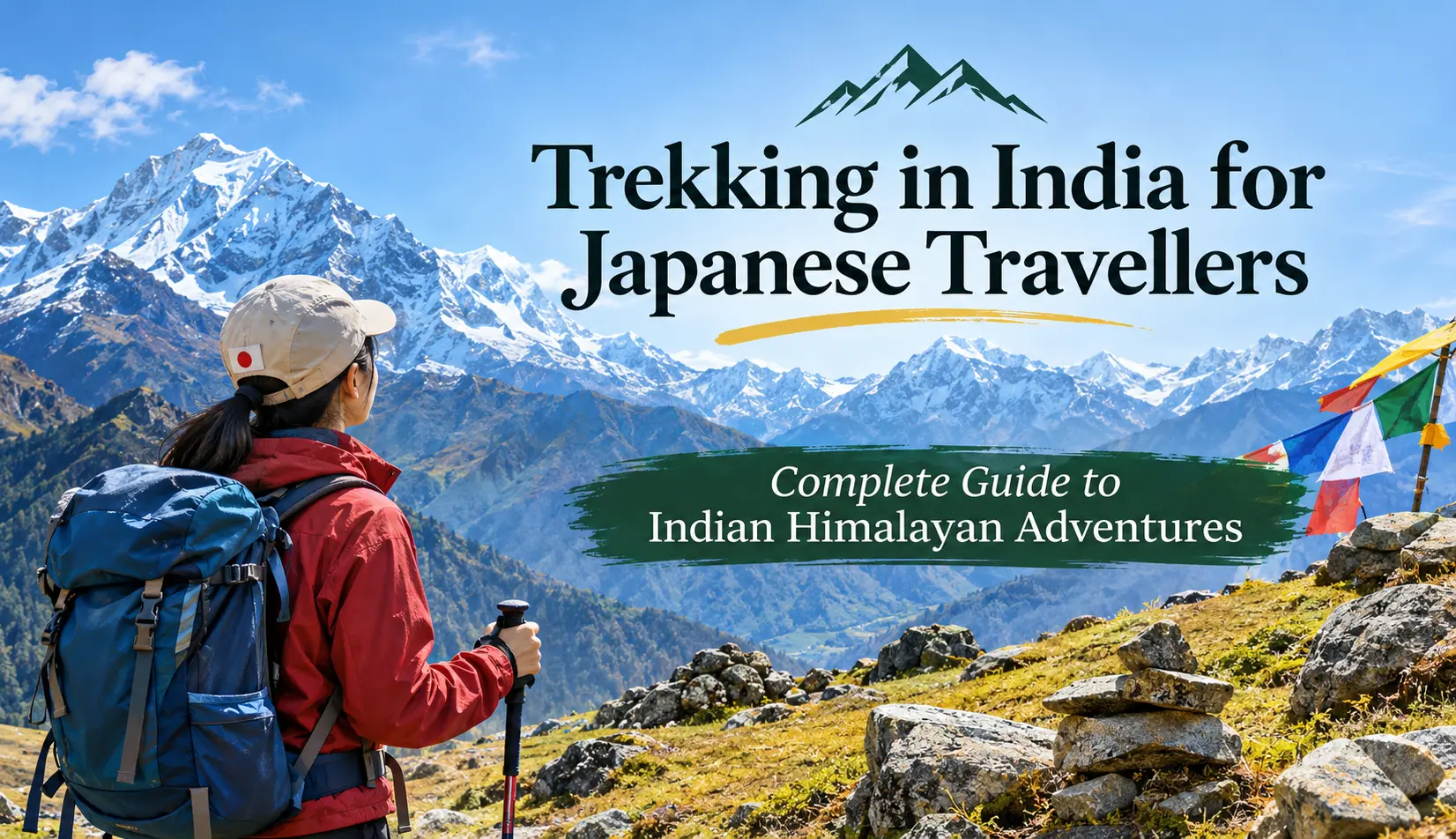 India offers some of the world’s most spectacular mountain landscapes, from snow-covered Himalayan peaks to the high-altitude deserts of Ladakh and the beautiful alpine meadows of Uttarakhand. For Japanese travellers who enjoy hiking, mountaineering, nature and outdoor adventures, trekking in India provides an opportunity to explore extraordinary mountain destinations and experience a different side of the Himalayas.
Trekking in India for Japanese travellers is an exciting opportunity to discover diverse mountain landscapes, traditional Himalayan villages, Buddhist monasteries and unique cultural experiences. Whether you are interested in a scenic mountain walk, a multi-day camping trek or a challenging high-altitude adventure, India offers trekking routes for different experience levels.
Unlike a conventional sightseeing holiday, trekking in India combines outdoor adventure with cultural exploration. Travellers can walk through remote Himalayan valleys, discover local mountain communities, experience traditional cuisine and enjoy spectacular views of some of the world’s highest mountain ranges.
If you are planning your first Himalayan adventure or looking for a new destination beyond Japan’s popular mountain trails, this guide will help you understand everything about trekking in India for Japanese travellers, including the best destinations, popular routes, ideal seasons, preparation, safety and travel arrangements.
Why Is Trekking in India for Japanese Travellers Worth Experiencing?
Japan has a well-established mountain culture, with popular hiking destinations such as Mount Fuji, the Japanese Alps, the Kumano Kodo trails and the mountains of Hokkaido.
However, the Indian Himalayas offer a different mountain experience. From Ladakh’s dramatic high-altitude desert landscapes to Uttarakhand’s alpine meadows and Sikkim’s spectacular mountain scenery, India provides diverse trekking opportunities.
Here are five reasons why Indian Himalayan trekking deserves consideration.
1. Discover the Extraordinary Indian Himalayas
The Indian Himalayan region stretches across Uttarakhand, Himachal Pradesh, Ladakh, Sikkim and other mountain regions. Each destination offers different landscapes, trekking experiences and cultural attractions.
2. Experience Traditional Himalayan Culture
Trekking in India is not only about mountain trails. Visitors can discover traditional villages, Buddhist monasteries, regional cuisine and local mountain lifestyles. In Ladakh, for example, trekkers can explore villages and Buddhist monasteries while travelling through dramatic mountain valleys.
3. Choose Treks for Different Experience Levels
From beginner-friendly scenic trails to challenging high-altitude routes, India offers a variety of trekking experiences. Travellers can choose a route based on their fitness, previous trekking experience and comfort with altitude.
4. Explore Photography and Nature
The Indian Himalayas offer opportunities to photograph alpine flowers, glacial lakes, mountain villages, forests and dramatic mountain landscapes. These destinations are particularly appealing to nature lovers and landscape photographers.
5. Combine Adventure with Cultural Tourism
Travellers can combine Himalayan trekking with visits to Delhi, Agra, Rishikesh, Leh and other cultural destinations. This creates an opportunity to experience India’s heritage and landscapes within one holiday.
Best Trekking Destinations in India for Japanese Travellers
India has several Himalayan regions with distinctive landscapes and trekking opportunities. The right destination depends on the season, difficulty level and type of experience you are looking for.
1. Uttarakhand – Alpine Meadows and Himalayan Trails
<PRIVATE_PERSON>Uttarakhand</PRIVATE_PERSON> is one of India’s popular trekking regions, known for its forests, mountain villages, alpine meadows and snow-covered landscapes.
Some well-known trekking options include:
- Kedarkantha Trek: A popular winter trekking route known for snow-covered trails, forest campsites and mountain views. It is often considered by beginners with suitable fitness and preparation.
- Valley of Flowers Trek: Famous for its seasonal alpine flowers and beautiful Himalayan scenery. The route is particularly attractive to nature lovers and photographers.
- Dayara Bugyal Trek: Known for its expansive alpine meadows and panoramic mountain views. It can be a good option for travellers looking for a scenic Himalayan experience.
Uttarakhand is worth considering for Japanese travellers seeking a combination of mountain scenery, camping and nature exploration.
2. Himachal Pradesh – Mountain Valleys and Adventure Trails
<PRIVATE_PERSON>Himachal Pradesh</PRIVATE_PERSON> offers diverse trekking experiences, from forest trails and mountain villages to challenging high-altitude routes.
Popular options include:
- Hampta Pass Trek: A scenic route featuring green valleys, mountain streams and contrasting landscapes.
- Pin Parvati Pass Trek: A demanding high-altitude trek suitable for experienced trekkers with appropriate preparation.
- Spiti Valley Trekking: Offers opportunities to explore dramatic mountain landscapes, remote settlements and the distinctive culture of the Trans-Himalayan region.
Himachal Pradesh is a good destination for travellers interested in combining trekking with mountain culture and photography.
3. Ladakh – High-Altitude Desert Landscapes
<PRIVATE_PERSON>Ladakh</PRIVATE_PERSON> offers a completely different Himalayan experience. Its rugged mountains, dry valleys, traditional villages and Buddhist monasteries create a distinctive setting for trekking.
One of its best-known trekking experiences is the Markha Valley Trek, which passes through remote settlements, river valleys and dramatic mountain scenery.
Ladakh is particularly attractive to experienced hikers and travellers interested in high-altitude landscapes and cultural exploration. Proper acclimatisation is essential because of the region’s elevation. Visitors should also check current route access, permits and local regulations before planning their journey.
4. Sikkim – Mountain Views and Eastern Himalayan Culture
<PRIVATE_PERSON>Sikkim</PRIVATE_PERSON> is known for its forests, mountain landscapes, monasteries and views of the eastern Himalayas.
The Goechala Trek is a challenging trekking experience offering impressive views of the Kanchenjunga mountain region. It is better suited to experienced trekkers who are prepared for demanding terrain and altitude.
Some routes in Sikkim are subject to permits and restrictions, including rules that may affect foreign visitors. Japanese travellers should confirm eligibility and current requirements before booking.
Best Time for Trekking in India
The ideal season depends on the trekking destination and the type of experience you want.
Spring: March to April
Spring brings changing mountain landscapes, pleasant conditions on selected lower and mid-altitude trails, and the beginning of the flowering season in some regions. It can be a good time to explore selected Himalayan routes.
Summer: May to June
Summer is a popular period for trekking in several parts of Uttarakhand and Himachal Pradesh. Snow conditions, trail access and weather vary depending on the route and altitude.
Monsoon: July to September
Some Himalayan destinations, including the Valley of Flowers, are known for their seasonal beauty during the monsoon period. However, heavy rain can cause landslides, slippery trails and travel disruptions. Route-specific weather and safety assessments are essential.
Autumn: September to November
Autumn often brings clearer mountain views and attractive trekking conditions on selected routes. It is a popular season for exploring parts of the Himalayas, although temperatures can fall considerably at higher elevations.
Winter: December to February
Winter offers opportunities for snow trekking in selected destinations. Kedarkantha is one example of a popular winter trekking route. Cold temperatures, snowfall and changing trail conditions require suitable equipment and experienced local support.
Beginner-Friendly and Challenging Himalayan Treks
Choosing the right trekking route is important for a safe and enjoyable holiday.
For beginners and recreational hikers:
- Kedarkantha
- Dayara Bugyal
- Valley of Flowers, subject to suitable fitness and route conditions
For experienced trekkers:
- Markha Valley
- Goechala
- Kedartal
- Pin Parvati Pass
These are broad recommendations rather than guarantees of suitability. Difficulty depends on altitude, distance, daily walking hours, elevation gain, weather and individual fitness.
Japanese travellers planning their first Himalayan holiday should consider a guided route with a manageable itinerary, appropriate acclimatisation and support from an experienced trekking team.
How to Prepare for Trekking in India
Good preparation can make a significant difference to your Himalayan trekking experience.
Fitness and Physical Preparation
Begin training several weeks before departure, depending on your current fitness and the demands of your chosen trek. Walking, hiking, stair climbing, cycling and strength exercises can help develop endurance.
For demanding high-altitude treks, general fitness alone is not enough. Previous trekking experience and preparation for long walking days may also be necessary.
Essential Trekking Equipment
Your packing list will depend on the season and route. Common essentials include:
- Comfortable, well-fitted trekking shoes
- Layered clothing and thermal wear
- Waterproof jacket and trousers
- Warm gloves, socks and headwear
- Backpack and reusable water bottle
- Sun protection, sunglasses and sunscreen
- Personal medication and basic first-aid supplies
- Headlamp and essential personal equipment
Your trekking operator should provide a route-specific equipment checklist before departure.
Acclimatisation and Altitude Awareness
High-altitude trekking requires careful acclimatisation. Travellers should follow the planned ascent schedule, avoid rushing to higher elevations and communicate any symptoms of altitude illness to their guide immediately.
Do not assume that previous hiking experience at lower elevations guarantees readiness for high-altitude trekking.
Travel from Japan to India for a Trekking Holiday
Japanese travellers can plan their journey to India through major international airports, depending on their chosen trekking destination and flight availability.
Delhi is an important arrival point for trekking journeys to Uttarakhand, Himachal Pradesh and Ladakh. For Sikkim, travellers may use suitable domestic flight and road connections depending on the itinerary.
Before travelling, Japanese citizens should check the latest Indian visa requirements, application procedures and permitted activities through official Indian government sources.
Travel arrangements should also account for domestic transfers, road journeys, overnight stays and possible delays caused by weather or mountain conditions.
Food and Accommodation During Indian Himalayan Treks
Food and accommodation are important parts of the overall trekking experience.
Depending on the route, accommodation may include hotels, guesthouses, homestays, mountain lodges or camping arrangements. Remote trekking routes may have limited facilities, so travellers should understand the accommodation standard before confirming a booking.
Meals on organised treks commonly include simple, freshly prepared dishes. Vegetarian options are widely available in India, and meals may include rice, lentils, vegetables, bread and regional specialities.
Japanese travellers with specific dietary requirements should communicate them before departure. Availability of Japanese-style meals or particular ingredients cannot be guaranteed in remote mountain regions.
Why Choose a Guided Trekking Tour in India?
For international travellers, a professionally organised trekking holiday can simplify logistics and improve the overall experience.
A suitable guided trekking arrangement may include:
- Experienced local trekking guides and support staff
- Route planning and accommodation arrangements
- Transport and transfer coordination
- Meals and camping logistics, where applicable
- Assistance with relevant permits
- Guidance on altitude awareness and safety procedures
- Pre-departure information and equipment advice
When comparing operators, ask about guide qualifications, group size, emergency procedures, evacuation arrangements, insurance requirements and the services included in the package.
For Japanese customers, clear communication before departure is particularly valuable. Ask whether Japanese-language assistance is available and confirm the language in which guides and coordinators can communicate.
How Much Does Trekking in India Cost?
The cost of trekking in India depends on the destination, duration, group size, accommodation, transport and level of service.
A shorter trek with camping arrangements may have a different cost structure from a longer high-altitude trek involving additional transfers, permits and support staff.
International travellers should also consider flights from Japan, Indian domestic transport, hotels before and after the trek, travel insurance and personal equipment.
When comparing trekking packages, check whether the price includes accommodation, meals, guides, transport, permits, camping equipment and support services. A clear breakdown helps avoid unexpected expenses.
Frequently Asked Questions About Trekking in India for Japanese Travellers
1. Is trekking in India suitable for Japanese tourists?
Yes. India offers trekking routes for beginners, recreational hikers and experienced mountaineers. Destinations such as Uttarakhand, Himachal Pradesh, Ladakh and Sikkim provide different landscapes and levels of difficulty.
2. Which Indian Himalayan trek should Japanese beginners choose?
Kedarkantha and selected Dayara Bugyal itineraries are worth considering for beginners with reasonable fitness. The best option depends on the season, route conditions and individual experience.
3. What is the best season for trekking in India?
The best season depends on the destination. Spring, summer, autumn and winter each offer different trekking opportunities across the Indian Himalayas.
4. Do Japanese travellers need a visa to visit India?
Japanese citizens should check the latest Indian visa requirements and application procedures through official government channels before travelling.
5. Is high-altitude trekking in India safe?
High-altitude trekking involves risks, including altitude illness and rapidly changing weather. Proper acclimatisation, a suitable itinerary, qualified guides and appropriate emergency arrangements are important.
6. Can Japanese travellers book private trekking tours in India?
Yes. Private and customised trekking arrangements may be available depending on the destination, season, group size and operational requirements.
7. How can Japanese travellers book trekking tours in India?
Japanese travellers can contact IndiaTravel.com to enquire about guided Himalayan trekking tours, customised itineraries, private departures and available language assistance.
Plan Your Trekking Adventure in India
From the snowy trails of Kedarkantha to the high-altitude landscapes of Ladakh and the spectacular mountain views of Sikkim, India offers unforgettable opportunities for outdoor exploration.
Trekking in India for Japanese travellers is an opportunity to discover new mountain landscapes, experience Himalayan culture and explore some of India’s most extraordinary natural destinations.
Whether you are planning your first mountain adventure or seeking a challenging Himalayan trekking experience, IndiaTravel.com can help you explore suitable trekking destinations and customised travel arrangements.
Discover the Indian Himalayas. Find Your Trail. Experience the Extraordinary.
Explore guided trekking holidays at IndiaTravel.com.