Khan Tengri Peak: Complete Guide for Climbers and Adventure Seekers
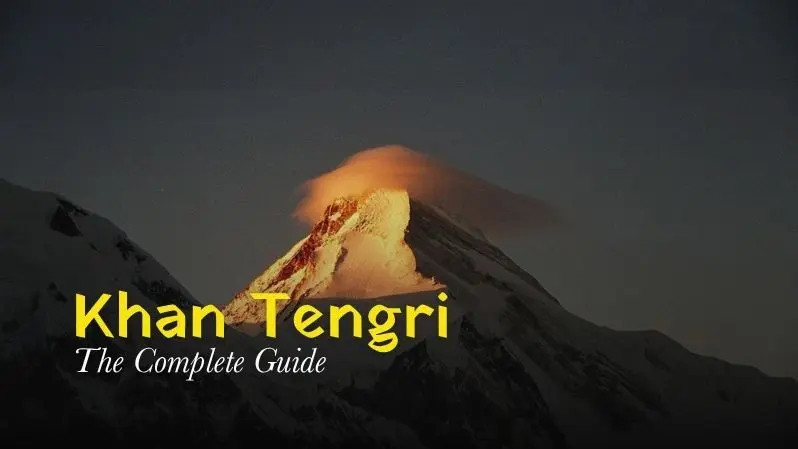
Khan Tengri Peak is one of the most iconic mountains in Central Asia and a dream destination for experienced mountaineers from around the world. Rising dramatically above the Tian Shan mountain range, this legendary summit attracts climbers with its striking pyramid shape, breathtaking marble-covered summit, and challenging alpine environment. Every year, adventure enthusiasts travel to Kazakhstan, Kyrgyzstan, and China to experience the beauty and technical demands of this magnificent mountain.
Standing among the highest peaks in the Tian Shan, Khan Tengri Peak offers far more than just an ascent. It represents endurance, commitment, and the spirit of exploration. Whether you are researching your next high-altitude expedition or simply fascinated by the world’s great mountains, this guide covers everything you need to know about Khan Tengri Peak, from geography and climbing routes to preparation, weather, permits, and safety.
Introduction to Khan Tengri
Located on the border of Kazakhstan, Kyrgyzstan, and China, Khan Tengri Peak reaches an elevation of 7,010 meters when measured with its permanent ice cap, while its rocky summit stands at approximately 6,995 meters. Despite the difference in measurement, it is internationally recognized as one of the world’s northernmost 7,000-meter mountains.
The mountain’s name translates to “Lord of the Sky” or “King of Heaven,” reflecting its immense cultural and geographical significance throughout Central Asia. The distinctive pyramid-shaped summit, composed primarily of pink marble, creates a spectacular sight during sunrise and sunset when the entire peak glows with golden and crimson hues.
Its combination of beauty, altitude, and technical climbing has earned Khan Tengri Peak a reputation as one of the most desirable expedition objectives in the Tian Shan Mountains.
Why Tengri Is Famous Among Mountaineers
Unlike many Himalayan giants, Khan Tengri Peak presents climbers with an alpine expedition that combines glacier travel, steep snow slopes, exposed ridges, and unpredictable weather. It is widely respected as one of the finest mountaineering objectives in Asia.
One of the mountain’s defining characteristics is its elegant geometry. The nearly perfect pyramid rises sharply from surrounding glaciers, making it instantly recognizable in photographs and expedition documentaries.
The mountain also forms part of the famous Snow Leopard Challenge, an elite mountaineering achievement awarded to climbers who successfully summit all five former Soviet Union peaks above 7,000 meters. Completing Khan Tengri Peak is considered an essential milestone for serious high-altitude climbers pursuing this prestigious goal.
Geography and Landscape Around Khan Tengri
The Tian Shan mountain range stretches across several Central Asian countries and contains numerous towering summits, glaciers, and deep alpine valleys. Khan Tengri Peak sits within this vast mountain system, surrounded by massive icefields and rugged terrain that remain largely untouched by modern development.
The South Inylchek Glacier serves as the primary gateway for most expeditions. This enormous glacier stretches for dozens of kilometers and provides access to base camp through spectacular icy landscapes filled with seracs, crevasses, and snow-covered ridges.
The remote environment creates an extraordinary wilderness experience where climbers spend weeks surrounded by glaciers, towering peaks, and pristine alpine scenery.
Best Time to Climb Khan Tengri
Choosing the right climbing season plays a critical role in the success of any expedition. The optimal window for Khan Tengri Peak generally falls between early July and mid-August.
During this period, temperatures remain comparatively stable, daylight hours are long, and weather systems become slightly more predictable. Even so, climbers should expect freezing temperatures, powerful winds, sudden snowstorms, and rapidly changing mountain conditions.
Outside the main season, the mountain becomes significantly more dangerous due to extreme cold, increased avalanche risk, and unstable weather patterns that can delay summit attempts for extended periods.
Climbing Difficulty of Khan Tengri
Khan Tengri Peak is not considered a beginner’s mountain. Although it may appear smaller than many Himalayan giants, the technical challenges often make it equally demanding.
The climb involves steep snow slopes, glacier crossings, fixed ropes, exposed traverses, ice climbing sections, and prolonged movement at extreme altitude. Climbers must possess solid mountaineering skills, experience with crampons and ice axes, and confidence on mixed alpine terrain.
Altitude introduces another major challenge. Above 6,000 meters, oxygen levels decrease dramatically, increasing the risk of Acute Mountain Sickness, High Altitude Pulmonary Edema, and High Altitude Cerebral Edema if proper acclimatization is neglected.
For these reasons, Khan Tengri is generally recommended for experienced mountaineers with prior 6,000-meter climbing experience.
Routes to Reach Khan Tengri
Several established expedition routes lead toward Khan Tengri Peak, with the South Inylchek Glacier route being the most popular among international climbers.
Most expeditions begin in Bishkek, Kyrgyzstan, before traveling overland to Karkara. From there, helicopters transport climbers directly to South Inylchek Base Camp, dramatically reducing the time required to reach the mountain.
From base camp, teams gradually establish higher camps while acclimatizing over several days. Summit attempts typically begin from the highest camp during favorable weather windows, often requiring 10 to 16 hours of continuous climbing before returning safely.
The complete expedition generally lasts between two and three weeks depending on weather conditions and acclimatization schedules.
Weather Conditions on Khan Tengri
Mountain weather remains one of the greatest uncertainties during any expedition to Khan Tengri Peak.
Temperatures at higher elevations frequently drop below -25°C, while wind chill can make conditions feel even colder. Sudden storms may develop without warning, reducing visibility and increasing avalanche danger.
Snowfall can delay summit attempts for several days, and strong winds often force climbers to remain in higher camps while waiting for safer conditions.
Careful weather monitoring and flexible expedition planning significantly improve both safety and summit success.
Essential Training Before Climbing Khan Tengri
Preparing for Khan Tengri requires several months of structured physical and technical training.
Cardiovascular endurance forms the foundation of successful high-altitude climbing. Long-distance hiking, trail running, cycling, and stair climbing with a weighted backpack help simulate expedition demands.
Strength training should emphasize leg endurance, core stability, shoulder conditioning, and overall muscular endurance rather than maximum lifting capacity.
Technical preparation is equally important. Climbers should practice glacier travel, rope techniques, self-arrest, fixed rope ascents, crampon efficiency, and crevasse rescue skills before arriving in Central Asia.
Mental resilience also becomes an essential factor, as long summit days, extreme cold, and unpredictable weather demand patience and sound decision-making.
Equipment Required for Khan Tengri Expedition
Proper equipment greatly increases both comfort and safety throughout the expedition.
Layered clothing systems designed for extreme cold, insulated mountaineering boots, technical crampons, ice axe, climbing harness, helmet, ascenders, down suit, expedition gloves, glacier sunglasses, sleeping bags rated below freezing, and reliable backpacks are all essential components.
Most commercial expeditions provide fixed ropes and group safety equipment, while climbers remain responsible for personal gear.
High-quality equipment should never be compromised, as harsh alpine conditions quickly expose weaknesses in clothing and technical gear.
Permits and Logistics for Tengri Peak
International climbers require appropriate permits before attempting Khan Tengri Peak. Regulations vary depending on whether the expedition approaches from Kyrgyzstan or Kazakhstan.
Most climbers join professional expedition operators who arrange permits, helicopter transfers, accommodation, logistics, meals, communication systems, and emergency rescue coordination.
Professional support significantly simplifies planning while allowing climbers to focus on acclimatization and the climb itself.
Travel insurance covering high-altitude mountaineering and helicopter evacuation should always be arranged before departure.
Wildlife and Natural Beauty Around Khan Tengri
Although the upper mountain consists mainly of snow and ice, the surrounding Tian Shan region supports remarkable biodiversity.
Lower valleys contain alpine meadows, wildflowers, mountain rivers, and forests that contrast dramatically with the towering glaciers above. Wildlife such as ibex, marmots, golden eagles, and the elusive snow leopard inhabit various parts of the mountain range.
These untouched landscapes add another dimension to the expedition, transforming it from a climbing challenge into an unforgettable wilderness experience.
Follow us for more Instagram | Facebook
Safety Tips for a Successful Khan Tengri Expedition
Success on Khan Tengri Peak depends far more on sound judgment than physical strength alone.
Climbers should never ignore symptoms of altitude sickness or attempt to push through severe fatigue. Proper hydration, gradual acclimatization, adequate nutrition, and careful pacing remain essential throughout the expedition.
Listening to experienced guides, respecting weather forecasts, and turning back when conditions deteriorate often become the difference between a safe return and a serious emergency.
The mountain will always remain there for another attempt, making conservative decision-making one of the most valuable climbing skills.
Why Tengri Should Be on Every Serious Climber’s Bucket List
Few mountains combine natural beauty, technical climbing, cultural significance, and remote wilderness as perfectly as Khan Tengri Peak. Its elegant marble summit, dramatic glaciers, and demanding alpine routes create an expedition unlike any other.
For experienced climbers seeking a genuine challenge beyond traditional trekking peaks, Khan Tengri Peak delivers an extraordinary blend of adventure, endurance, and personal achievement. Reaching its summit represents not only a mountaineering milestone but also a lifelong memory earned through preparation, perseverance, and respect for one of Central Asia’s greatest mountains.
Frequently Asked Questions
Q. What is the height of Khan Tengri Peak?
Khan Tengri Peak stands at 7,010 meters (22,999 feet) including its permanent ice cap, while the exposed rock summit measures approximately 6,995 meters.
Q. Where is Khan Tengri located?
Khan Tengri Peak lies at the junction of Kazakhstan, Kyrgyzstan, and China within the magnificent Tian Shan mountain range.
Q. Is Khan Tengri Peak difficult to climb?
Yes. Khan Tengri Peak is considered a highly technical high-altitude expedition suitable for experienced climbers with previous alpine and glacier mountaineering experience.
Q. How long does a Khan Tengri expedition take?
A complete expedition generally takes 14 to 21 days, including acclimatization, weather contingency, and summit attempts.
Q. What is the best month to climb Khan Tengri?
The best climbing season is July through mid-August, when weather conditions are comparatively stable and helicopter access is most reliable.
Q. Do beginners climb Khan Tengri Peak?
No. Beginners are strongly advised to gain experience on lower technical peaks before attempting Khan Tengri Peak due to its altitude, glacier travel, and exposed climbing sections.
Q. Which country is best for accessing Khan Tengri?
Most international expeditions approach through Kyrgyzstan, using helicopter transfers from Karkara to South Inylchek Base Camp.
Q. Does Khan Tengri require technical climbing skills?
Yes. Climbers should be proficient with crampons, ice axes, fixed ropes, glacier travel, crevasse safety, and high-altitude expedition techniques.
Q. What makes Khan Tengri unique?
Its rare marble summit, iconic pyramid shape, remote glacier setting, and inclusion in the prestigious Snow Leopard Challenge make Khan Tengri Peak one of the world’s most celebrated alpine objectives.
Q. Is travel insurance necessary for a Khan Tengri expedition?
Absolutely. Comprehensive expedition insurance covering high-altitude mountaineering, helicopter evacuation, and emergency medical treatment is considered essential for every climber.