Lenin Peak Kyrgyzstan: Complete Guide to Climbing the 7,134-Metre Peak
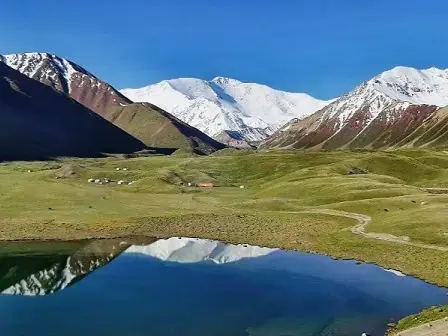 Lenin Peak Kyrgyzstan is one of the most fascinating high-altitude mountaineering destinations in Central Asia. Rising to 7,134 metres (23,406 feet) above sea level, the mountain stands in the Pamir Mountains along the Kyrgyzstan–Tajikistan border and attracts climbers looking for a challenging 7,000-metre expedition.
Often regarded as one of the more accessible peaks in the 7,000-metre category, Lenin Peak still demands serious preparation. High altitude, freezing temperatures, glaciers, unpredictable weather and long summit days make the expedition very different from a conventional Himalayan or alpine trek.
For experienced trekkers and mountaineers, a Lenin Peak Kyrgyzstan expedition offers spectacular mountain scenery, remote landscapes and the opportunity to experience high-altitude climbing in one of Central Asia’s most impressive regions.
Lenin Peak: Where Is It Located?
Lenin Peak is situated in the Pamir Mountains, close to the international border between Kyrgyzstan and Tajikistan. The popular climbing approach is from the Kyrgyz side, generally through the beautiful Alay Valley in southern Kyrgyzstan.
The surrounding region is characterized by enormous snow-covered mountains, glaciers, alpine valleys and wide open landscapes. The journey itself becomes an important part of the expedition, taking climbers away from the more developed tourist areas and into a remote mountain environment.
The Kyrgyz approach is particularly popular because of the established expedition infrastructure available during the main climbing season.
How High Is Lenin Peak?
The summit of Lenin Peak reaches 7,134 metres above sea level, placing it among the world’s notable 7,000-metre mountains.
At this elevation, oxygen availability is considerably lower than at sea level. This makes acclimatization one of the most important aspects of the climb.
Although the normal route is not generally considered as technically demanding as some other major peaks, altitude can make relatively simple terrain physically exhausting. Climbers must therefore balance physical effort with careful acclimatization and appropriate rest.
Why Climb Lenin Peak?
There are several reasons experienced climbers are drawn to this mountain.
The biggest attraction is the opportunity to attempt a 7,000-metre summit while experiencing the spectacular landscapes of the Pamir region. The normal route provides a progression from broad valleys and base-camp terrain toward glaciers, snow slopes and high-altitude camps.
The mountain is also appealing because its standard route is considered comparatively straightforward from a technical perspective. This makes it an interesting objective for mountaineers who want to progress toward higher-altitude expeditions.
The surrounding Alay Valley adds another dimension to the journey, with traditional landscapes, enormous mountain walls and a distinctly remote Central Asian atmosphere.
Lenin Peak Climbing Route
The standard expedition from Kyrgyzstan generally follows a progression from the Alay Valley toward base camp and then through a series of higher camps before the summit attempt.
A typical progression is:
Osh → Alay Valley → Base Camp → Camp 1 → Camp 2 → Camp 3 → Summit
Exact routes, camp positions and climbing schedules can change depending on weather, snow conditions, expedition logistics and the route selected by the climbing team.
Base Camp
Base camp is where climbers spend significant time preparing for the higher sections of the expedition. It is also an important acclimatization area.
From here, climbers may undertake shorter acclimatization hikes, organize equipment and prepare for movement onto more demanding terrain.
Camp 1
The journey toward Camp 1 introduces climbers to higher-altitude conditions and, depending on current route conditions, glacier terrain.
Movement on glaciers requires appropriate equipment and knowledge of crevasse safety. Professional support can be particularly valuable at this stage.
Camp 2
Higher camps bring a noticeable change in the environment. Temperatures become colder, the air becomes thinner and physical effort becomes considerably more demanding.
Climbers typically use rotations between camps and lower elevations to allow their bodies to adapt before attempting the summit.
Camp 3 and the Summit Push
The upper camp provides an important staging point for the final ascent. The summit push usually begins very early because climbers need sufficient time to reach the summit and descend safely.
The final ascent can involve steep snow slopes, exposed terrain and severe cold. At more than 7,000 metres, even experienced mountaineers can find the pace slow and physically demanding.
How Difficult Is Lenin Peak?
Lenin Peak is a serious high-altitude mountaineering expedition.
Its reputation as one of the more accessible 7,000-metre peaks can sometimes create the wrong impression. The standard route may involve less technical climbing than certain Himalayan or Karakoram objectives, but the altitude alone creates substantial challenges.
The major difficulties include:
- Extreme altitude
- Low oxygen levels
- Cold temperatures
- Strong winds
- Glacier travel
- Long summit days
- Rapid weather changes
- Physical and mental fatigue
Previous trekking experience can be useful, but climbers should ideally have experience with high-altitude environments and basic mountaineering techniques before attempting the peak.
Best Time for a Lenin Expedition
The primary climbing season generally falls during the summer months, with July and August being particularly important for mountaineering activity.
Summer offers comparatively favourable conditions in the Pamir region, although mountain weather remains unpredictable.
A successful expedition depends on much more than choosing the right month. Snow conditions, wind, visibility, glacier conditions and summit weather can all influence the climbing schedule.
For this reason, expedition itineraries normally include additional days for acclimatization and weather delays.
Lenin Peak Acclimatization Strategy
Acclimatization is essential when climbing above 7,000 metres.
Rather than continuously ascending, climbers generally use a gradual approach that allows the body to adapt to decreasing oxygen levels. Higher camps may be reached during rotations before returning to lower elevations for rest.
A good acclimatization schedule can include gradual altitude gain, rest days, acclimatization hikes and multiple camp rotations.
The goal is not simply to reach the highest possible altitude as quickly as possible. The objective is to prepare the body for the demands of the summit push while reducing the risk of altitude-related problems.
What Fitness Level Do You Need?
Climbing Lenin Peak requires a strong level of cardiovascular fitness and endurance.
Training should ideally begin several months before the expedition. Long-distance hiking, stair climbing, running, cycling and strength training can help prepare the body for prolonged physical effort.
However, fitness alone is not enough. Climbers should also develop familiarity with mountaineering equipment, snow travel and cold-weather conditions.
Mental preparation is equally important because summit days can involve many hours of slow movement in difficult environmental conditions.
How Long Does Lenin Peak Take?
A complete expedition generally requires several weeks because the itinerary must allow sufficient time for acclimatization, camp rotations, rest and potential weather delays.
The overall schedule may include time in Osh, transportation toward the Alay Valley, base-camp preparation, acclimatization rotations, the summit attempt and the descent.
Weather can significantly affect the schedule. A climber may be physically ready for the summit but still have to wait for a suitable weather window.
What Equipment Is Required?
A high-altitude expedition requires specialized equipment designed for extremely cold and snowy conditions.
Typical equipment includes mountaineering boots, crampons, an ice axe, harness, helmet, appropriate climbing clothing and technical equipment for glacier travel.
Warm insulated layers, gloves, goggles, sunglasses, sleeping equipment and other personal expedition essentials are also important.
The exact equipment list should always be confirmed with the expedition operator because requirements can change according to the route, season and current mountain conditions.
Is Lenin Peak Suitable for Beginners?
Lenin Peak should not be treated as a beginner-level trek.
While its standard route can be technically less complicated than some other 7,000-metre peaks, the altitude makes the expedition a serious undertaking.
Someone without previous mountaineering experience would generally benefit from developing skills at lower elevations first. Experience with high-altitude trekking, snow conditions, crampons, ice axes and glacier travel can provide a much stronger foundation.
For inexperienced climbers, professional guides and structured expedition support can also make a significant difference.
Lenin Peak vs Mount Everest
Lenin Peak and Mount Everest represent very different levels and styles of mountaineering.
Everest rises to 8,848.86 metres, considerably higher than Lenin Peak’s 7,134 metres. Everest also involves greater logistical complexity, much longer exposure to extreme altitude and a substantially different expedition environment.
Lenin Peak can therefore serve as an appealing objective for experienced mountaineers interested in stepping into the 7,000-metre category.
That said, it should never be described as an easy alternative. A 7,134-metre summit remains an extremely demanding achievement.
Lenin Peak Expedition Cost
The cost of a Lenin Peak expedition varies according to the operator and services included in the package.
Factors that can affect the final price include accommodation, transportation, permits, meals, base-camp services, guides, high-altitude support, equipment and the overall duration of the expedition.
When comparing expedition packages, climbers should look beyond the headline price and check exactly what is included.
A cheaper package may not necessarily offer the same level of mountain support, logistics or emergency assistance.
Safety During a Lenin Peak Climb
High-altitude mountaineering always involves inherent risks.
On Lenin Peak, potential hazards can include altitude sickness, hypothermia, frostbite, avalanches, crevasses, falling ice, severe weather and exhaustion.
Weather conditions can change quickly in high mountain environments, which is why climbers should follow the guidance of experienced expedition leaders and remain prepared to change their plans.
The summit should never become more important than safety. Turning around because of dangerous weather, illness or deteriorating conditions is a normal and responsible part of mountaineering.
Why Choose Lenin Peak?
Kyrgyzstan offers an impressive combination of mountain scenery, adventure tourism infrastructure and access to the Pamir region.
The approach through the Alay Valley provides a memorable introduction to the landscape before climbers enter the high-altitude environment of the mountain itself.
For experienced adventurers, the expedition also provides the opportunity to experience Kyrgyz culture, remote valleys and some of Central Asia’s most spectacular mountain scenery alongside the climbing objective.
Follow Us & Travel With Us
Get travel inspiration, exciting destinations, tour updates & special offers.
FAQs
Lenin Peak is located along the Kyrgyzstan–Tajikistan border, and the popular climbing route approaches the mountain from the Kyrgyz side.
Lenin Peak stands at 7,134 metres (23,406 feet) above sea level.
Everest is significantly higher and presents a different set of technical, logistical and environmental challenges. However, Lenin Peak remains a serious 7,000-metre expedition and should not be underestimated.
It is not considered a suitable beginner-level climb. Previous high-altitude and mountaineering experience is highly beneficial.
What is the best month to climb Lenin Peak?
July and August are generally among the main climbing months, although actual conditions depend on weather and the state of the mountain.
A full expedition generally takes several weeks because climbers need time for acclimatization, camp rotations, summit attempts and weather contingencies.
Final Thoughts
Lenin Peak Kyrgyzstan offers an extraordinary high-altitude adventure in the heart of the Pamir Mountains. At 7,134 metres, it provides experienced mountaineers with an opportunity to test themselves on one of Central Asia’s most recognizable peaks.
Its comparatively accessible normal route makes it an interesting objective for climbers progressing toward higher-altitude expeditions, but the mountain remains demanding. Proper acclimatization, physical preparation, technical knowledge, suitable equipment and experienced mountain support are essential.
For those who are adequately prepared, reaching the summit can be far more than a climbing achievement. It is an opportunity to experience the remote landscapes of Kyrgyzstan and the immense scale of the Pamir Mountains firsthand. 🏔️